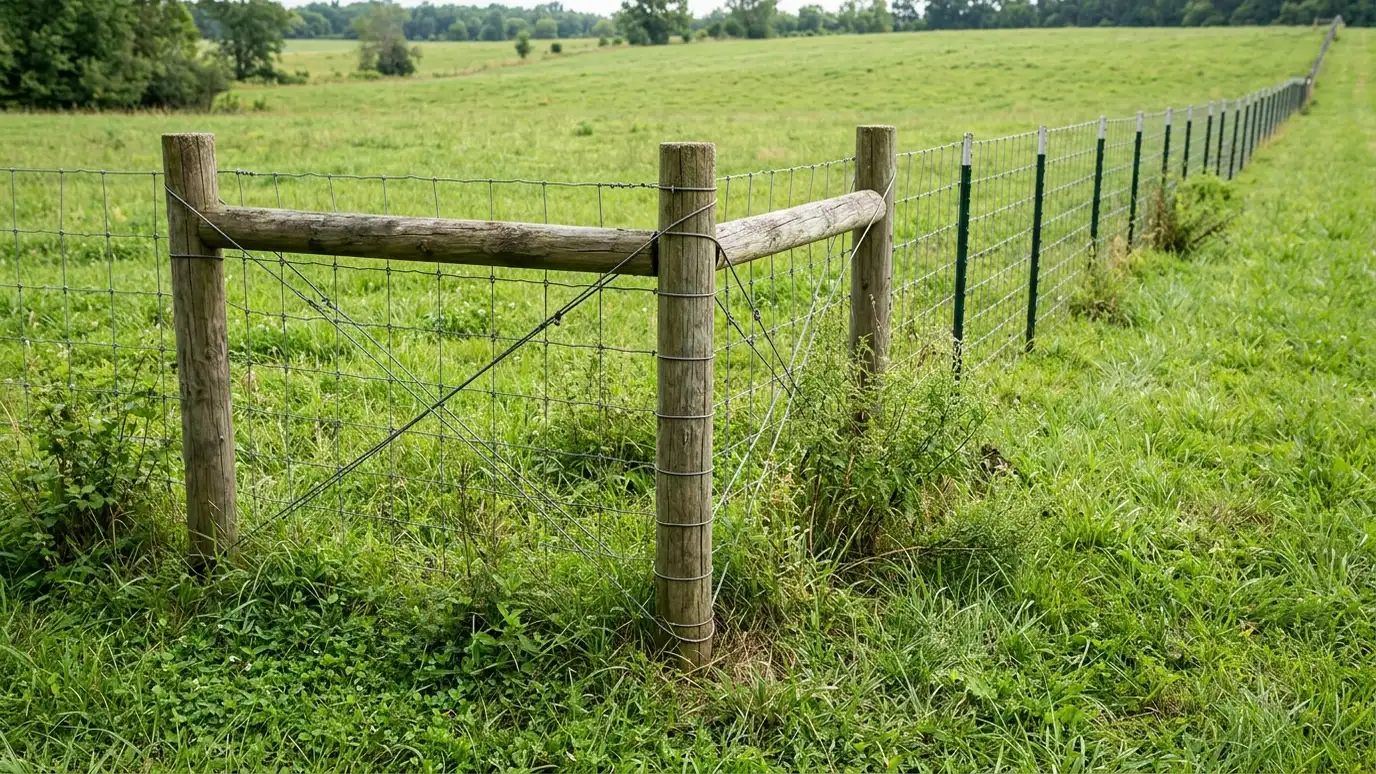
Woven wire field fences on steel or wood posts for pastures, large lots and farms, with braced corners and gates for containing animals.
Woven wire, often called field fence, is the practical answer for long boundaries and pastures. Horizontal and vertical wires are woven or hinged together so the fence flexes under pressure and still holds animals in. Landowners across Middle Tennessee, including around Nashville, choose woven wire for pasture, goats, sheep, calves and property lines that need low cost per foot and long life.
We start with a Free Estimate and walk the fence line, talking about animal types, terrain, gates and corners. Corner and gate assemblies are built first with large braced posts, line posts are spaced evenly and the wire is stretched tight and tied off. We explain spacing between horizontal wires, how top and bottom strands affect different animals and how to keep the fence tight through the seasons. Field fence is only as good as its corners. We build the corner and gate assemblies first, brace them well and then stretch the wire between them, which keeps the whole line tight. If your land rolls, we plan post spacing and wire tension so the fence follows the ground without gaps animals can use.
Corners, ends and gate posts anchor the tension, so they are set deep and braced properly or the whole line sags.
Closer spacing at the bottom keeps small animals from crawling out, and we choose a pattern for your livestock.
Wire is pulled tight with proper tools, not by hand, so it stays tight as it warms and cools.
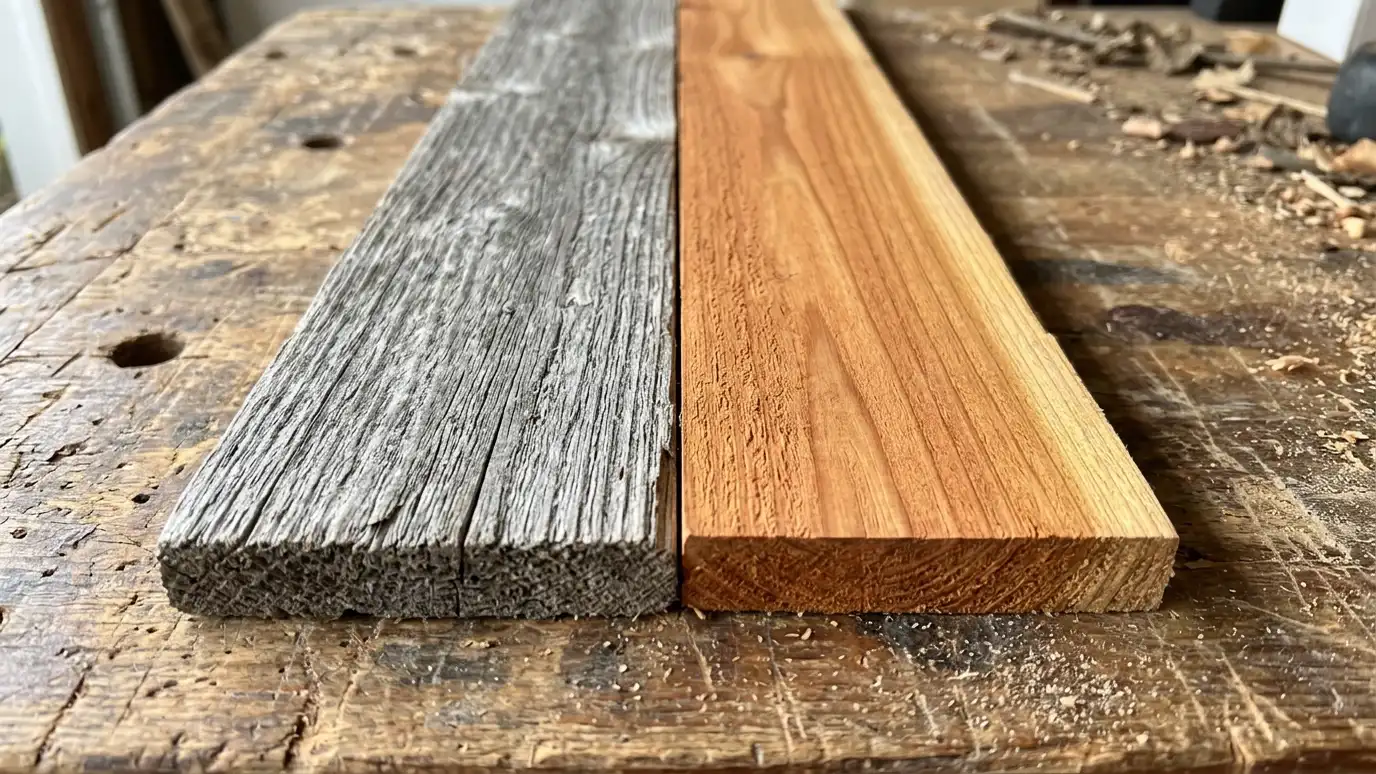
Steel T-posts, treated wood or both are used, and we explain where each belongs.
Animals, terrain and gates reviewed.
Braced and set deep.
Spaced and aligned.
Pulled tight and fastened.
Barbed, smooth or electric if needed.
Tension, gates and cleanup checked.
Every topic has its own page with what to expect and how we approach it.
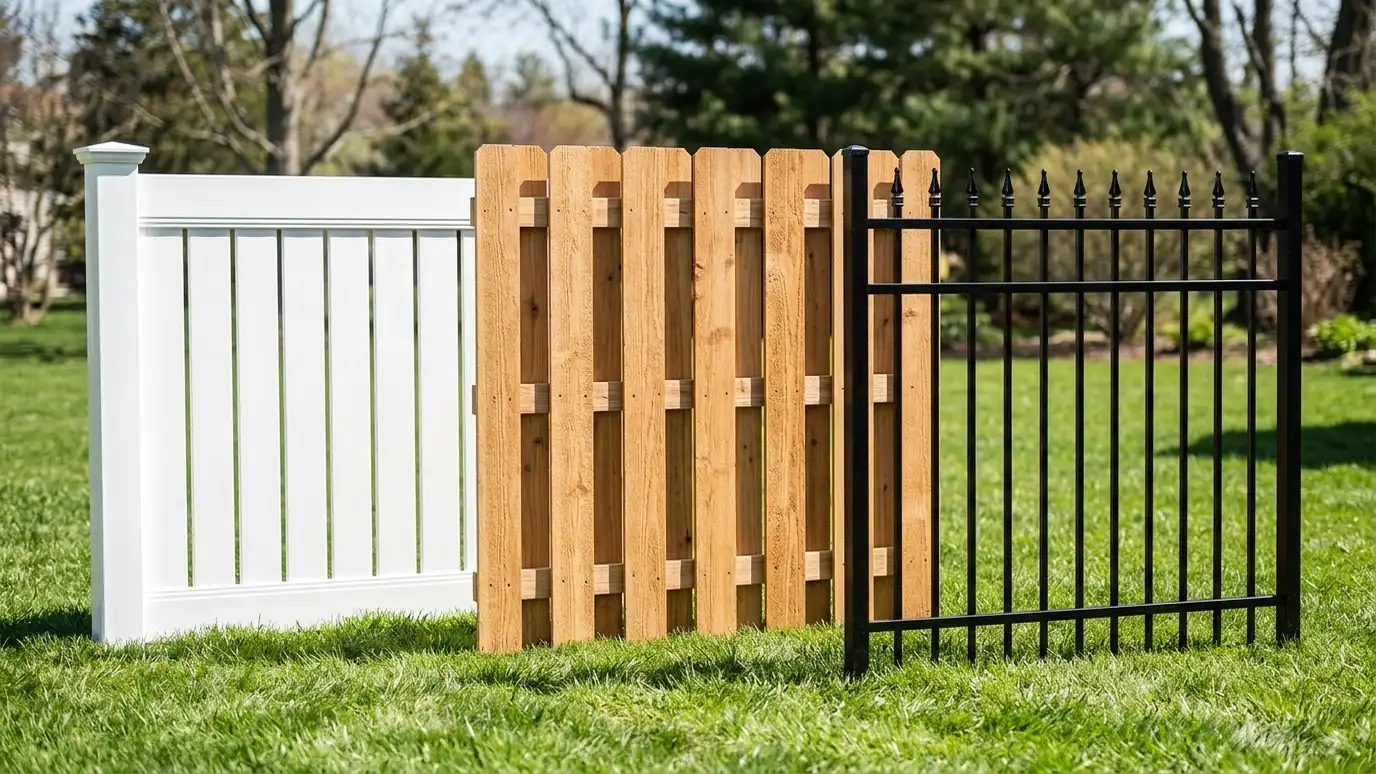 Comparison guideVinyl vs Wood vs AluminumHow vinyl, wood and aluminum fences compare in privacy, upkeep, strength, look and long-term value.Learn more
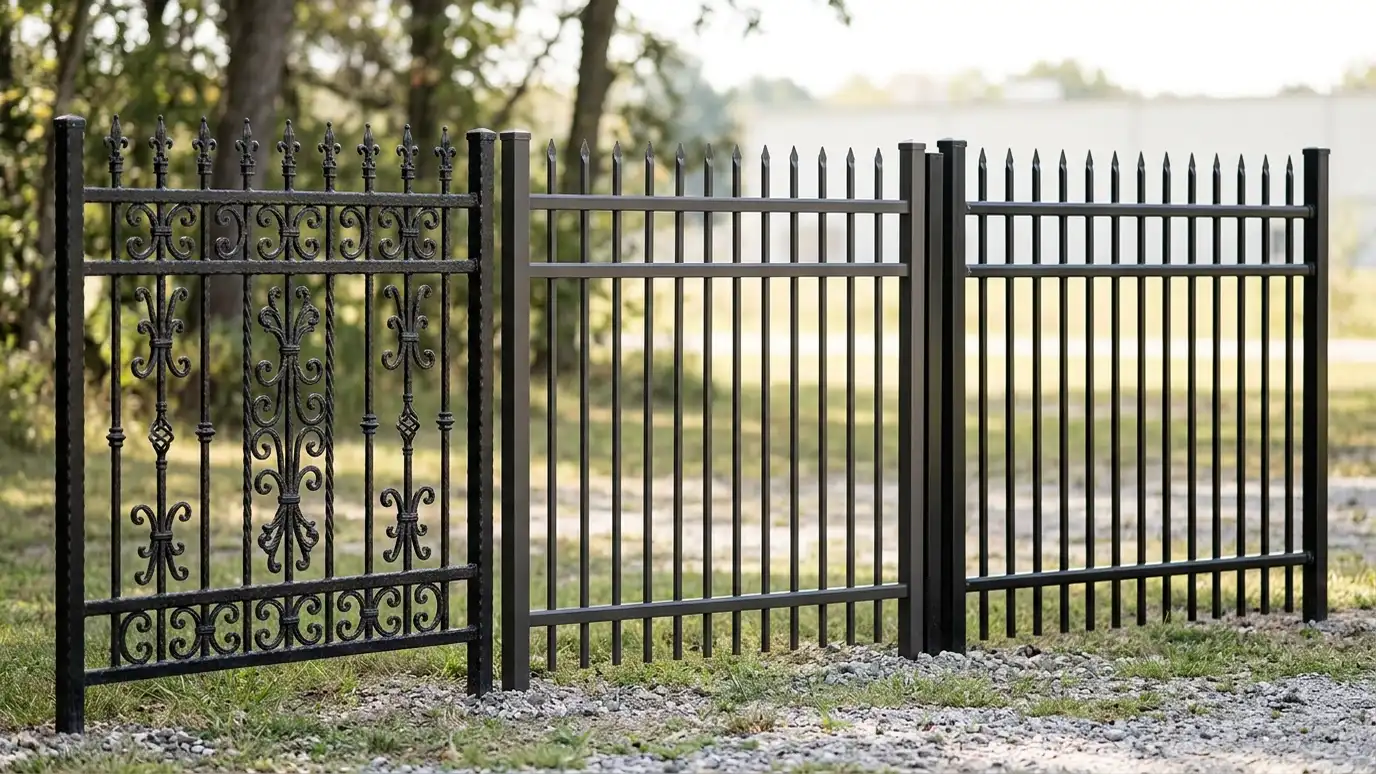 Comparison guideSteel vs Aluminum vs IronHow ornamental steel, aluminum and wrought iron fences compare in strength, rust, weight, look and care.Learn more
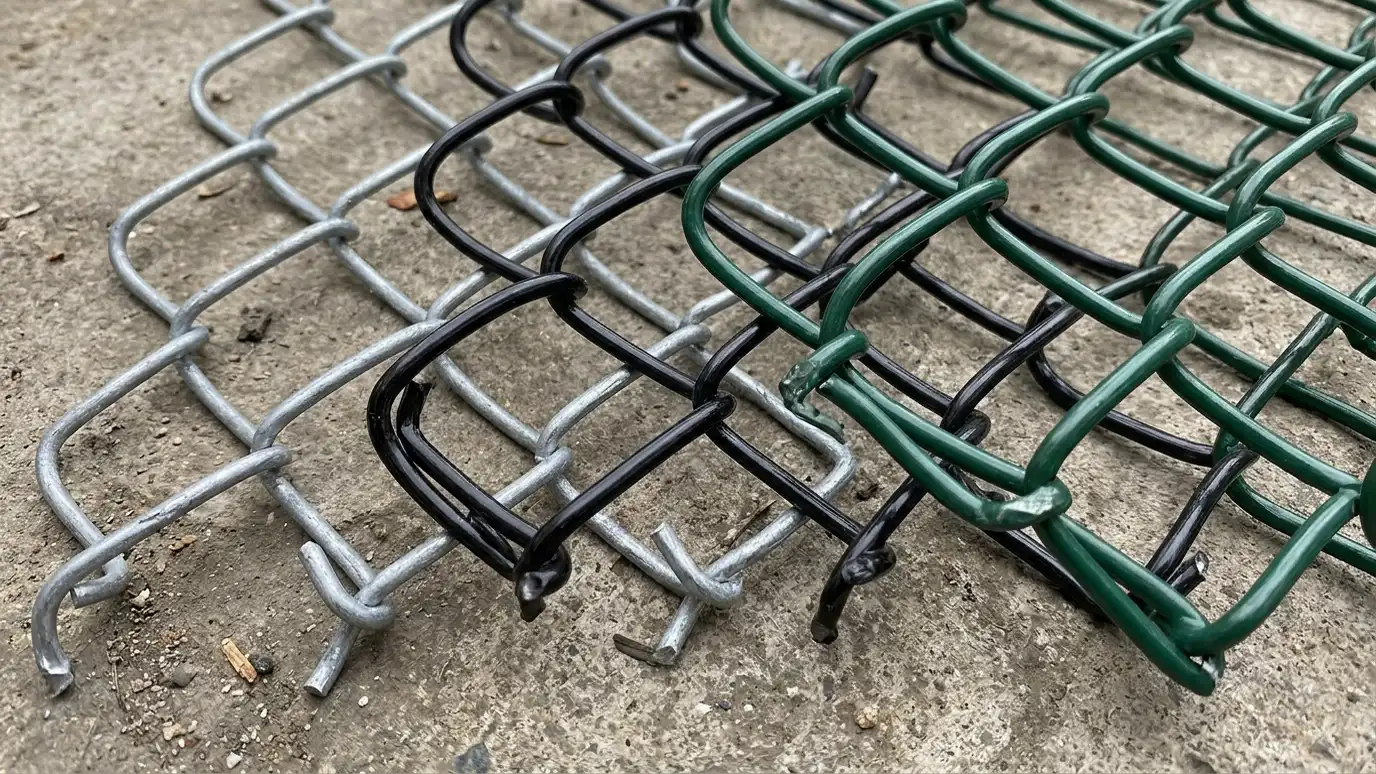 Comparison guideChain Link Gauges and CoatingsHow wire gauge, mesh size, galvanizing and vinyl coatings affect the strength, look and life of a chain…Learn more
Pick a fence, gate, repair or finishing job, set the length and add extras to see a ballpark planning range. Placeholder values only.
You tell us what you want the fence to do, and we set a visit that fits your day.
We walk the line, measure runs and gates, note slope, trees and utilities and talk through your goals.
You receive a plain written scope with style, height, materials, gates and price before anything begins.
We stake the line, request utility marking where needed and set posts plumb and aligned.
We frame the fence, install pickets or panels and hang gates with strong hinges and latches.
We clean up, walk the fence with you, show how gates work and explain care.
It suits goats, sheep, calves and many other animals, and we explain which designs suit your livestock.
A top strand helps keep animals from leaning over, and electric or smooth wire are options.
Common heights are about four feet, and taller for larger or more athletic animals.
Corners and gates need strong braced posts, and we use treated wood or steel designed for the load.
Yes, with careful post spacing and tension. We plan the line to follow terrain.
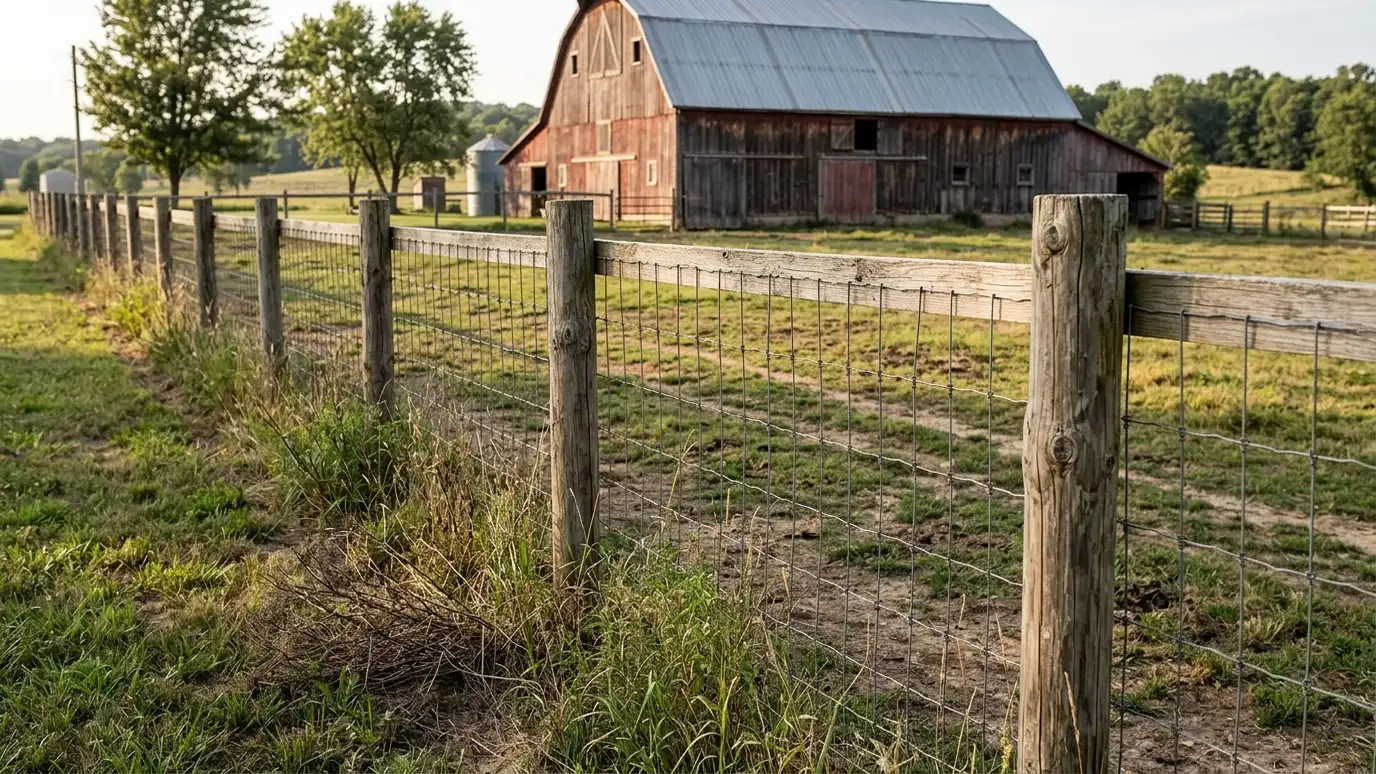 Farm and Livestock FencesFarm and livestock fences planned for cattle, horses, goats, sheep and hogs with strong posts, tight wire, safe…Explore
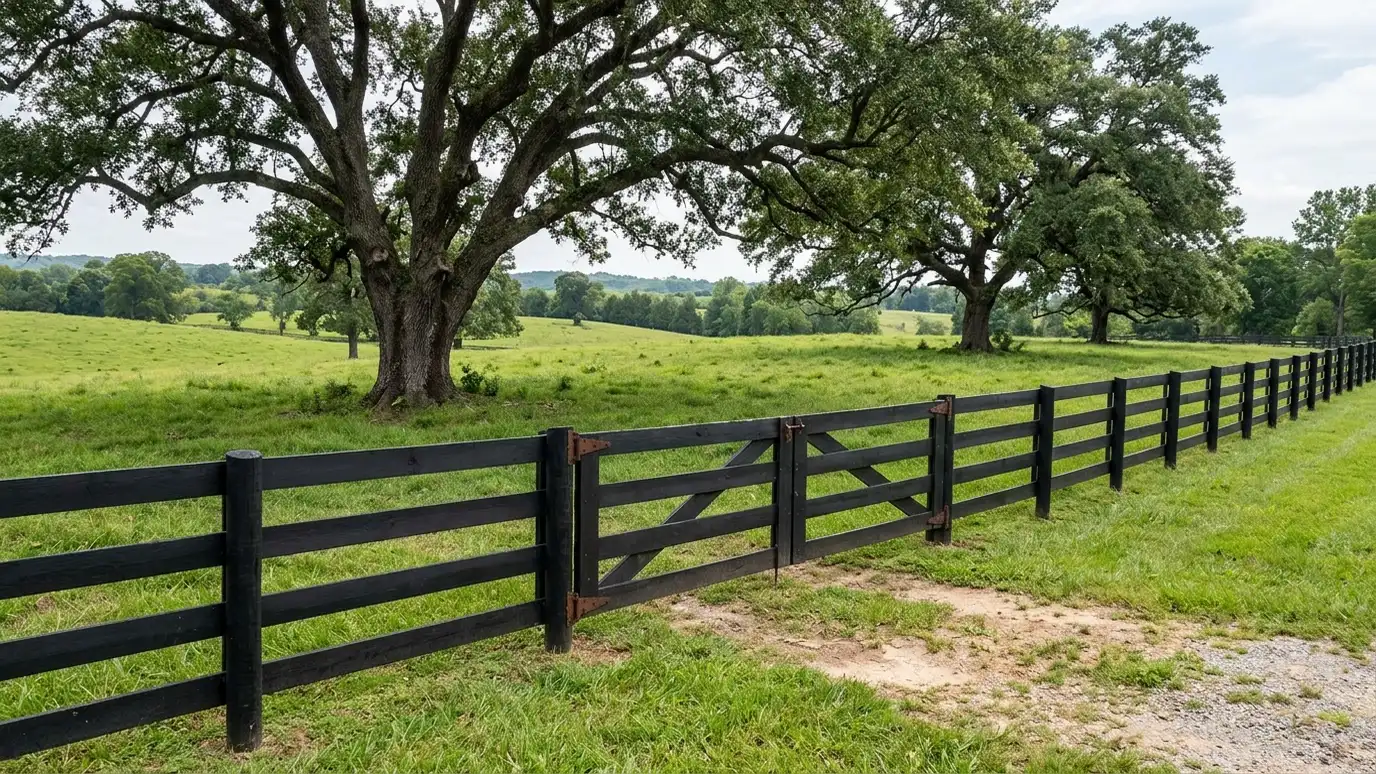 Horse and Pasture FencesSafe, visible horse fences in wood, vinyl and coated rail, with smooth surfaces, strong gates and tight lines…Explore
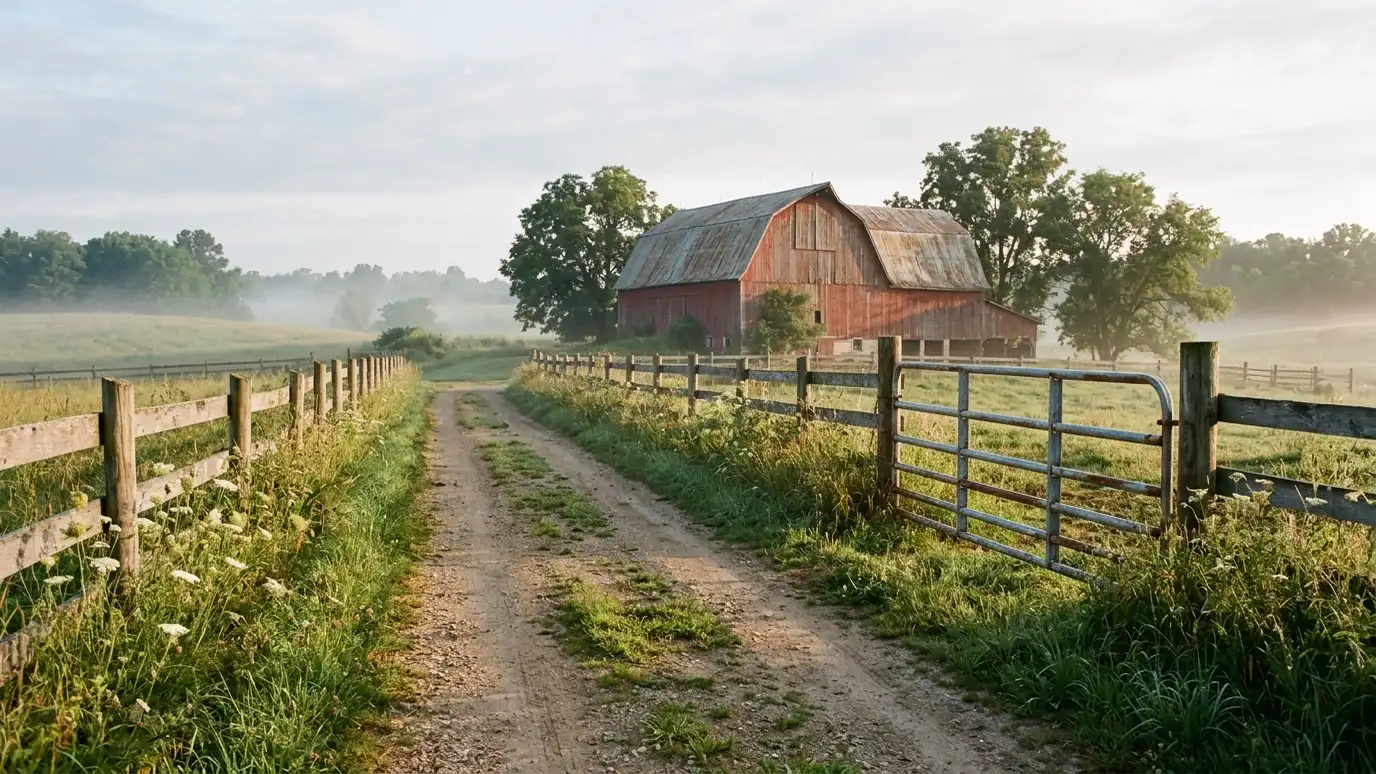 Farm and Barn FencingFencing for farm lanes, barns, paddocks, gardens and hay storage, with pipe gates, board and wire fencing and…Explore
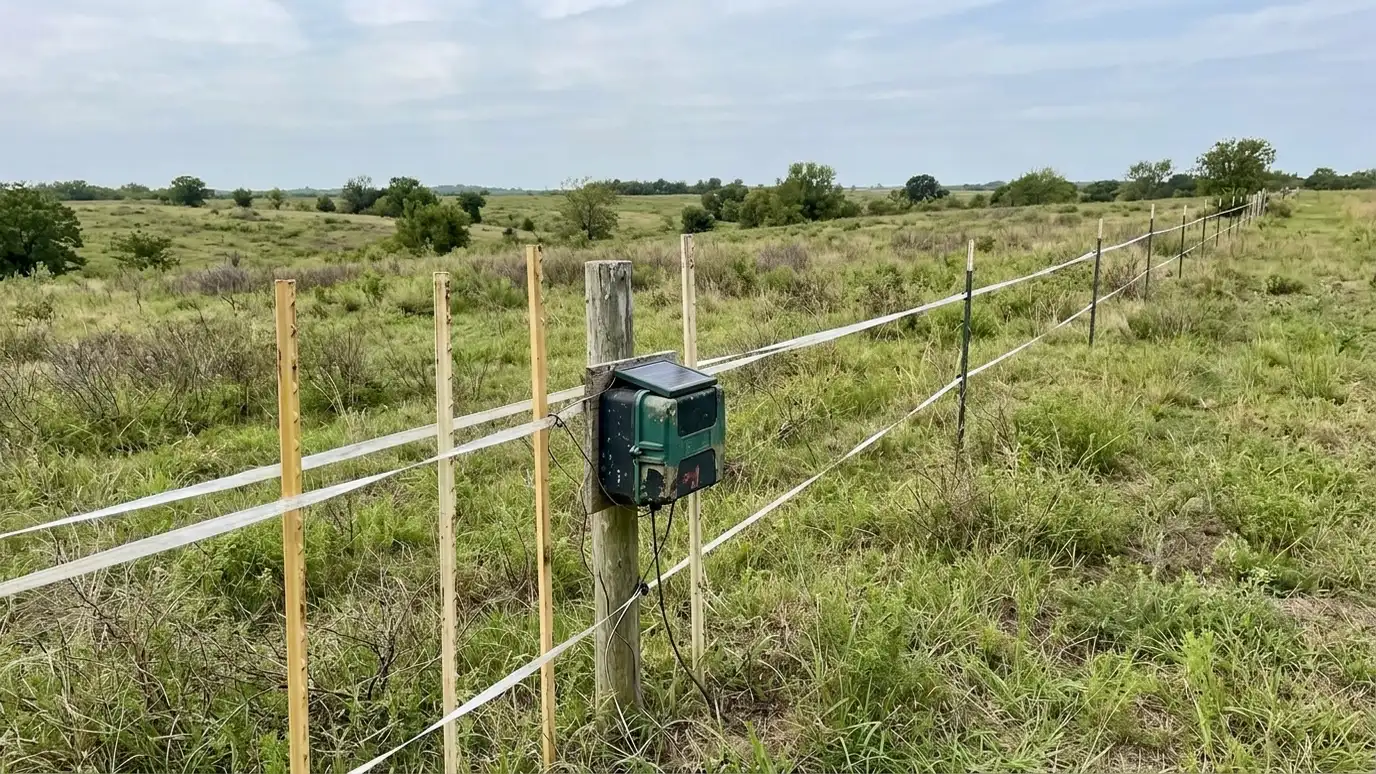 Electric FencesElectric fence systems with energizers, wire or tape, insulators and grounding for pastures, rotational grazing and added protection…Explore
Tell us about your property and we will call you back to set up a visit.
Or call (615) 357-7797 to talk now.