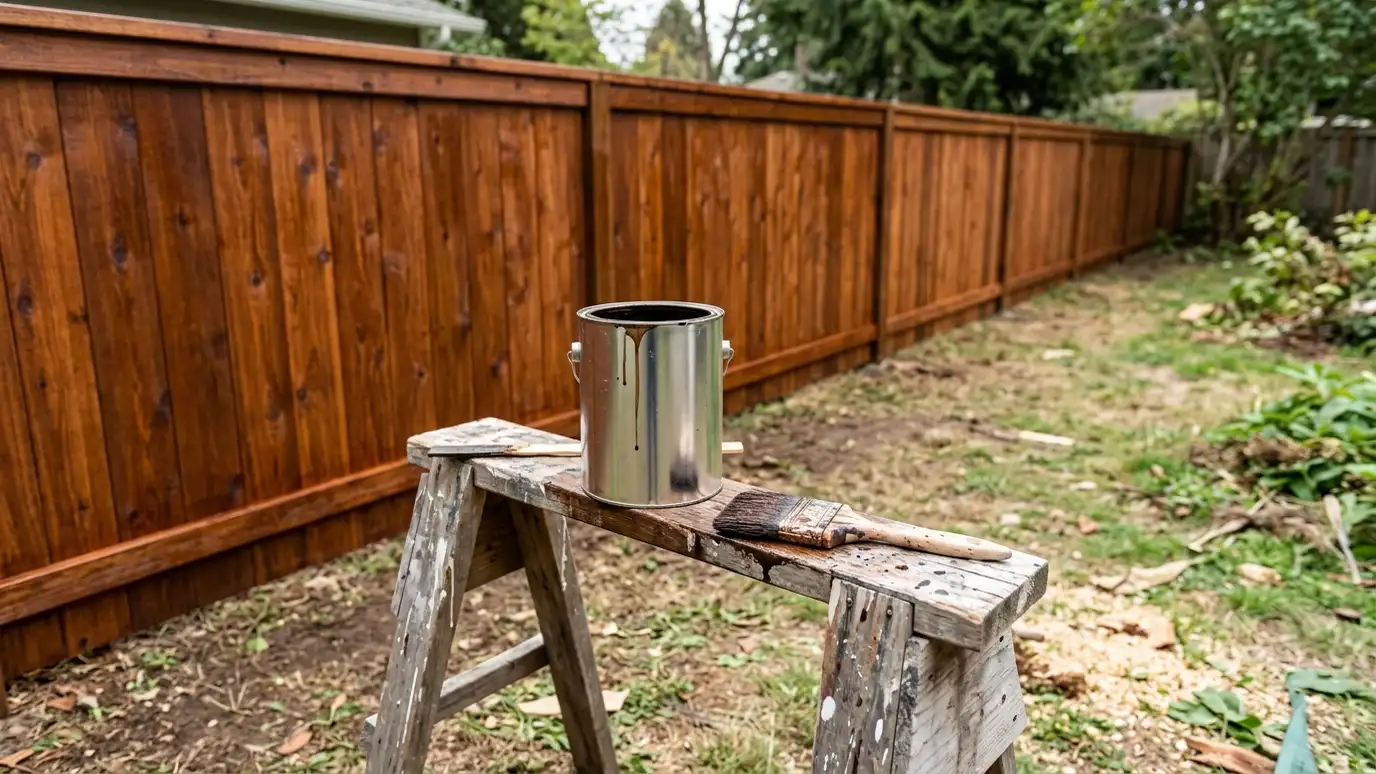
Staining and sealing for new and existing wood fences with preparation, even coverage and finishes chosen for sun, shade and the wood species.
Stain and sealer protect wood from sun, moisture and mildew, and they change how a fence looks. The right finish evens out color, slows weathering and brings out grain. Owners in Nashville ask us to stain new fences and to refresh older ones that have turned gray, blotchy or dry, and to explain which finishes are worth the cost.
We start with a Free Estimate and check the wood, its age and its condition. We explain finish types, from clear sealers to semi-transparent and solid stains, and show samples. We clean and prepare the fence, protect nearby plants and surfaces, spray the finish and back-brush it for even coverage on all sides, then let it cure. We share a care plan with re-coat timing and cleaning tips. Stain works best when the fence is ready for it. Clean, dry wood takes stain evenly, and old, peeling finishes need to be removed. We take the time to prepare, test the color on a hidden spot and cover all sides, so your fence looks better and the finish lasts.
Clear, semi-transparent and solid stains change the look and the protection, and we show samples and explain upkeep.
Dirt, mildew and old failing finish stop stain from bonding, so we clean and prepare before we coat.
Spraying and back-brushing push stain into the grain and cover the sides and edges where moisture enters.
Finishes wear at different rates, and we explain what to watch for and when to refresh.
Drag the handle to compare.
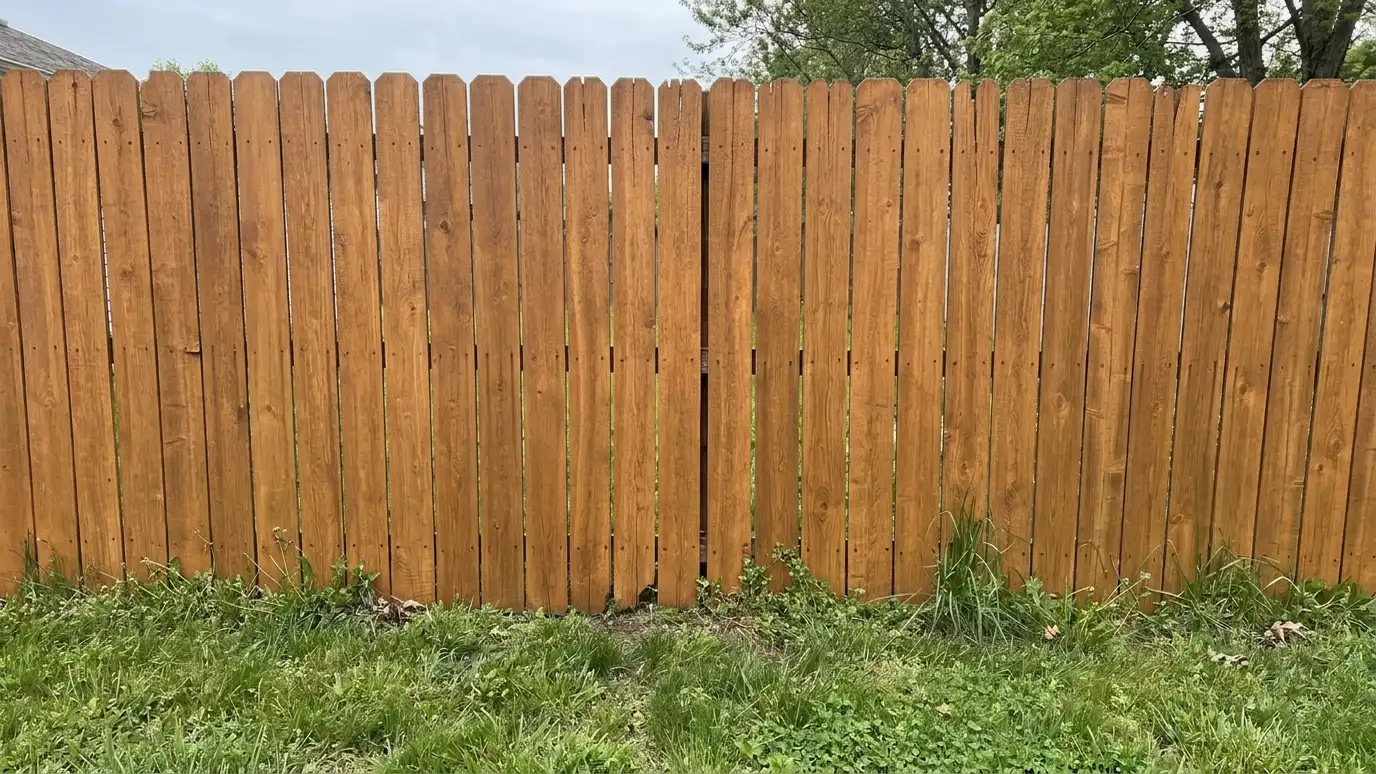
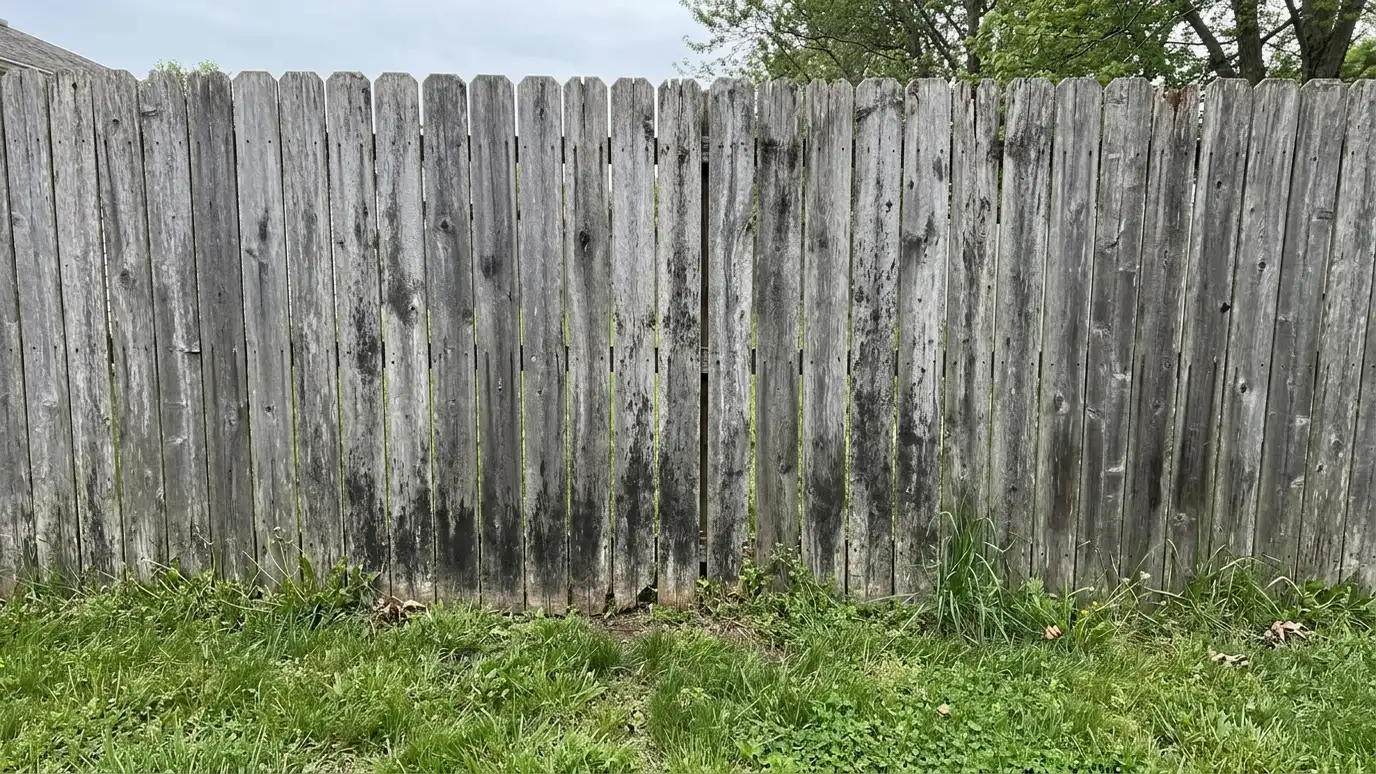 BeforeAfter
Age, moisture and condition reviewed.
Color and type selected from samples.
Dirt and failing finish handled.
Plants and surfaces covered.
Coated on all sides.
Re-coat timing shared.
Every topic has its own page with what to expect and how we approach it.
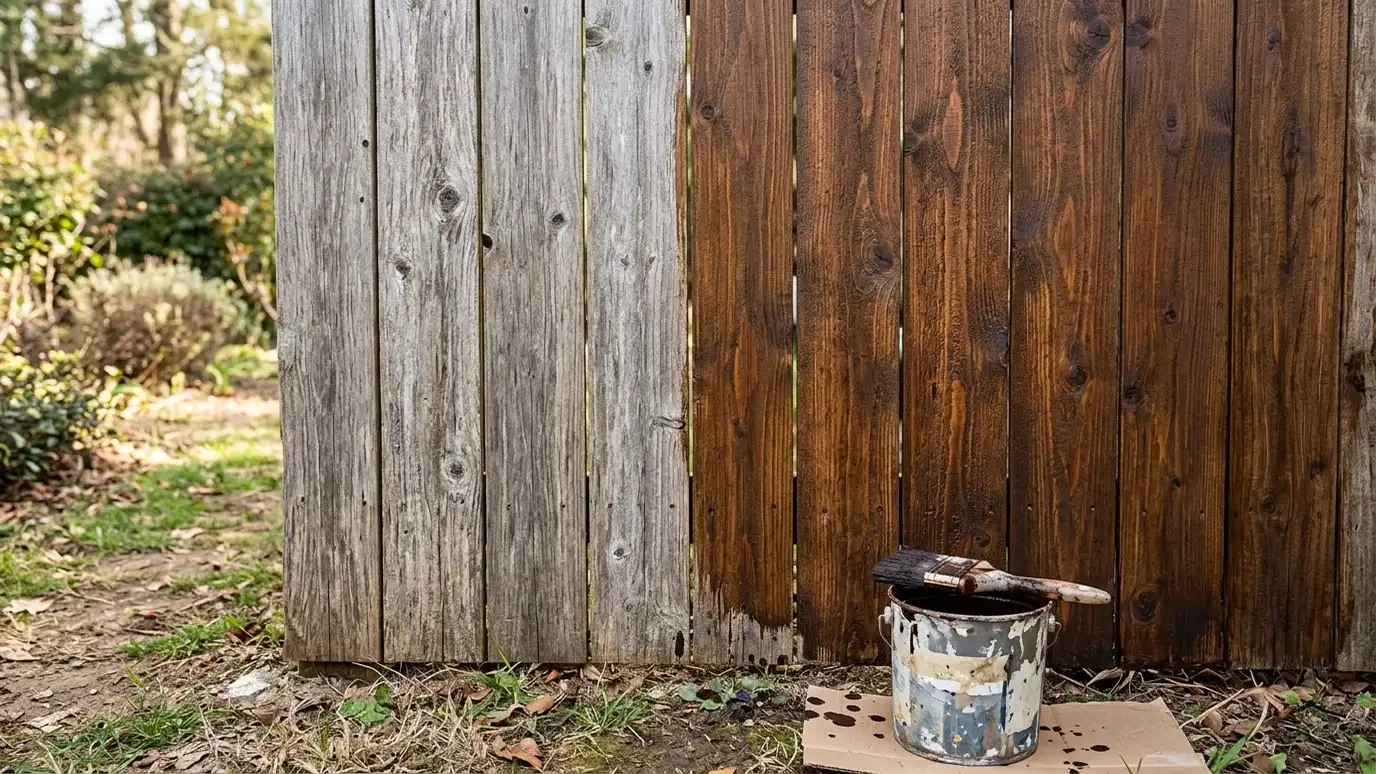 Comparison guideLifespan and MaintenanceHow long wood, vinyl, aluminum and chain link fences typically last and what simple care keeps them standing…Learn more
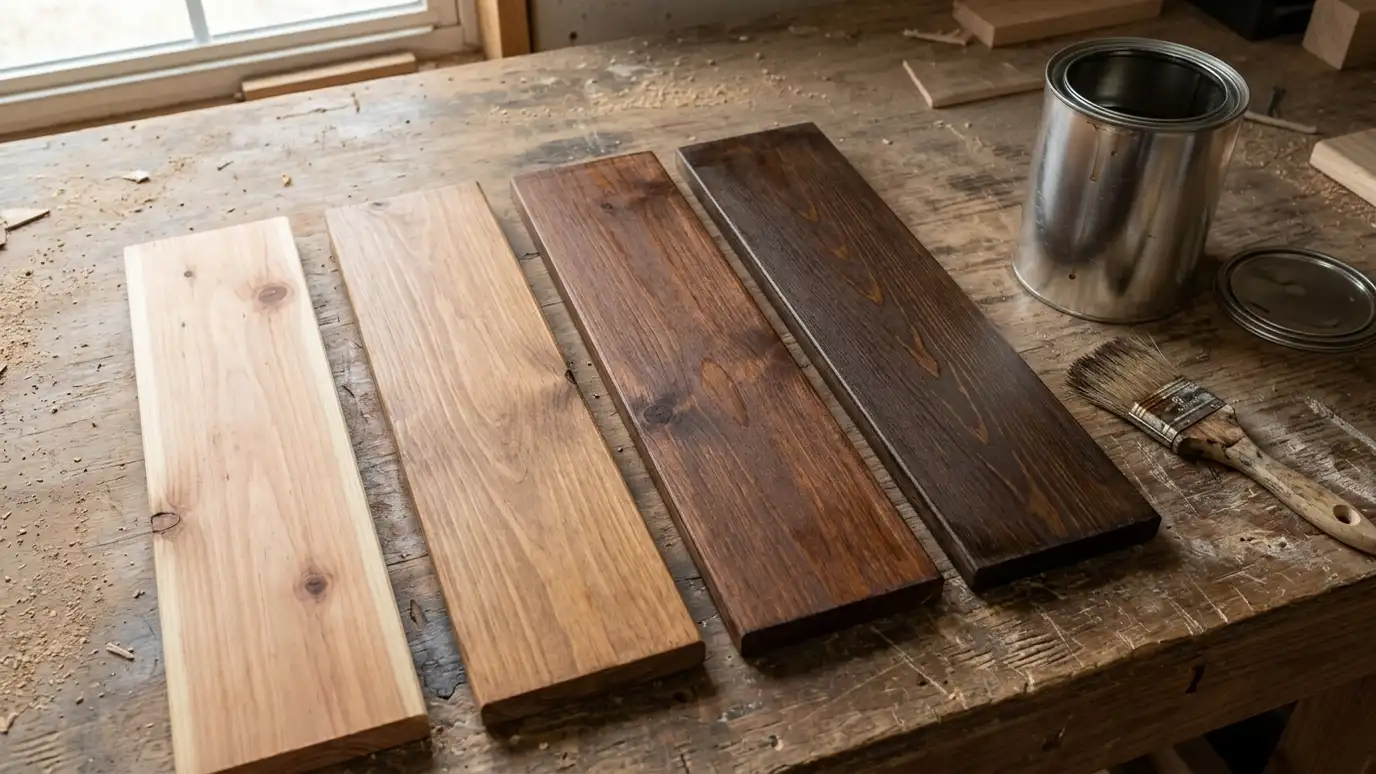 Comparison guideStain and Sealer ComparedHow clear sealers, semi-transparent stains and solid stains differ in look, protection and upkeep on wood fences.Learn more
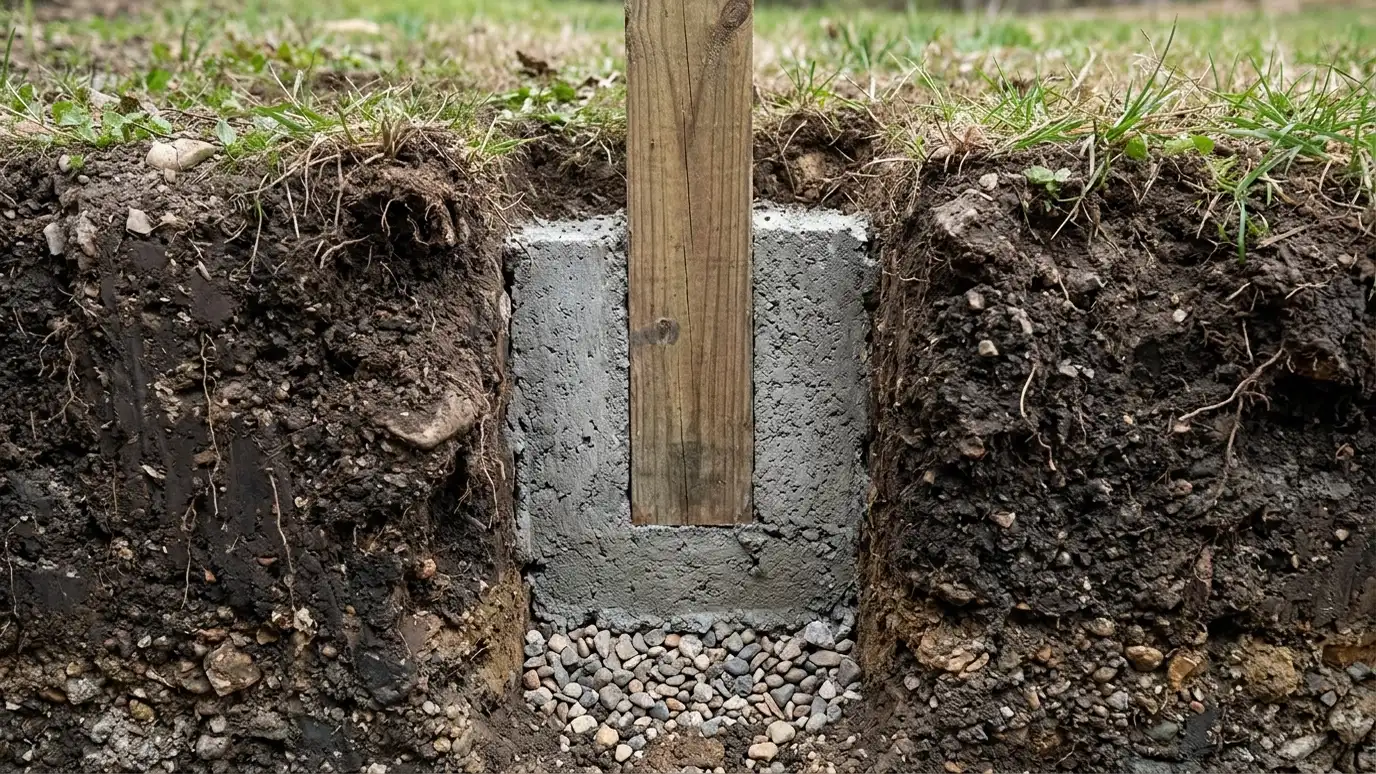 Comparison guidePosts, Footings and DepthWhy post depth, hole width, concrete, gravel and bracing decide how long a fence stands straight.Learn more
Pick a fence, gate, repair or finishing job, set the length and add extras to see a ballpark planning range. Placeholder values only.
You tell us what you want the fence to do, and we set a visit that fits your day.
We walk the line, measure runs and gates, note slope, trees and utilities and talk through your goals.
You receive a plain written scope with style, height, materials, gates and price before anything begins.
We stake the line, request utility marking where needed and set posts plumb and aligned.
We frame the fence, install pickets or panels and hang gates with strong hinges and latches.
We clean up, walk the fence with you, show how gates work and explain care.
It depends on the lumber and weather. Treated wood often needs time to dry, and we advise on timing.
Every two to five years is common, depending on finish, sun and shade.
Often yes, after cleaning and checking that the old finish is sound. Peeling finishes need more prep.
Yes. Cleaning gives stain a surface to bond to.
It slows moisture, which helps, but it does not make wood rot proof.
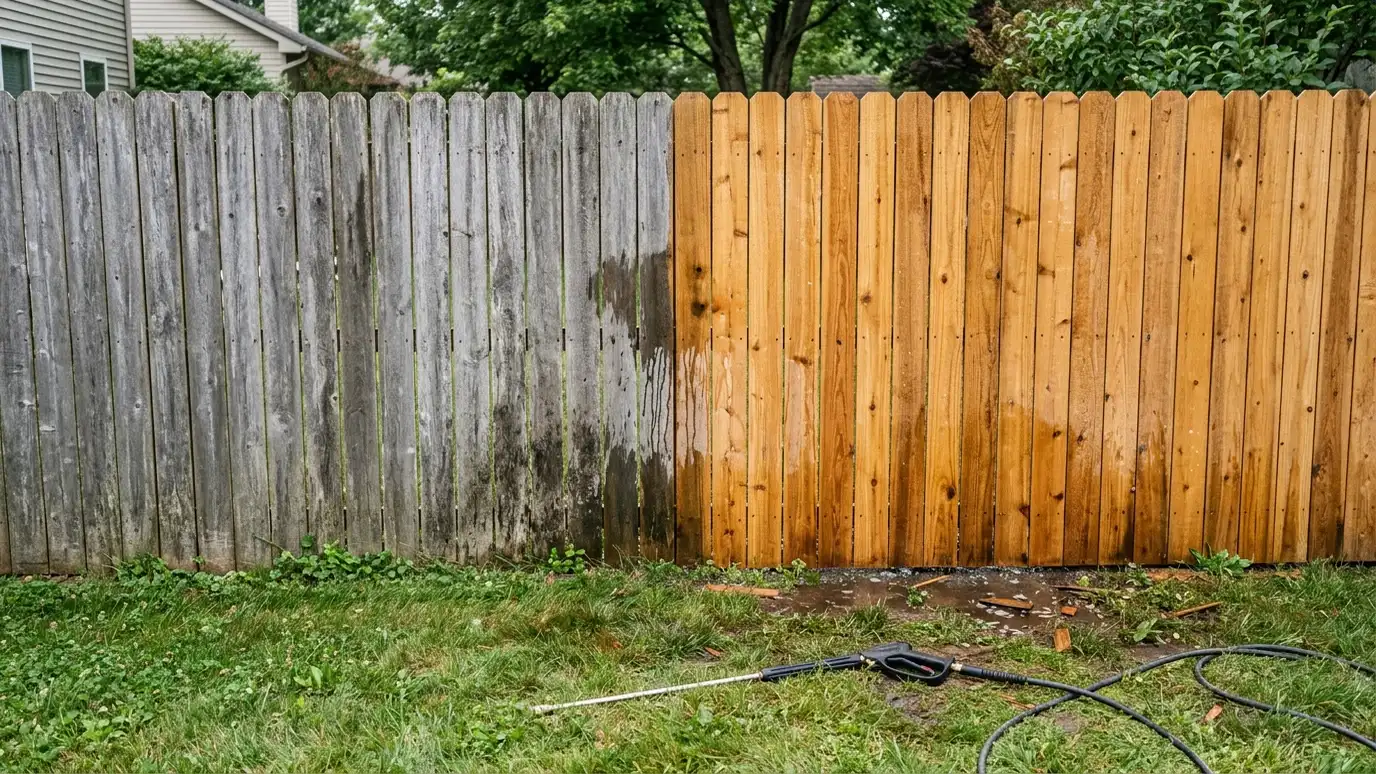 Fence Cleaning and RestorationCleaning and restoration for weathered wood, vinyl and metal fences, removing mildew, algae and gray with the right…Explore
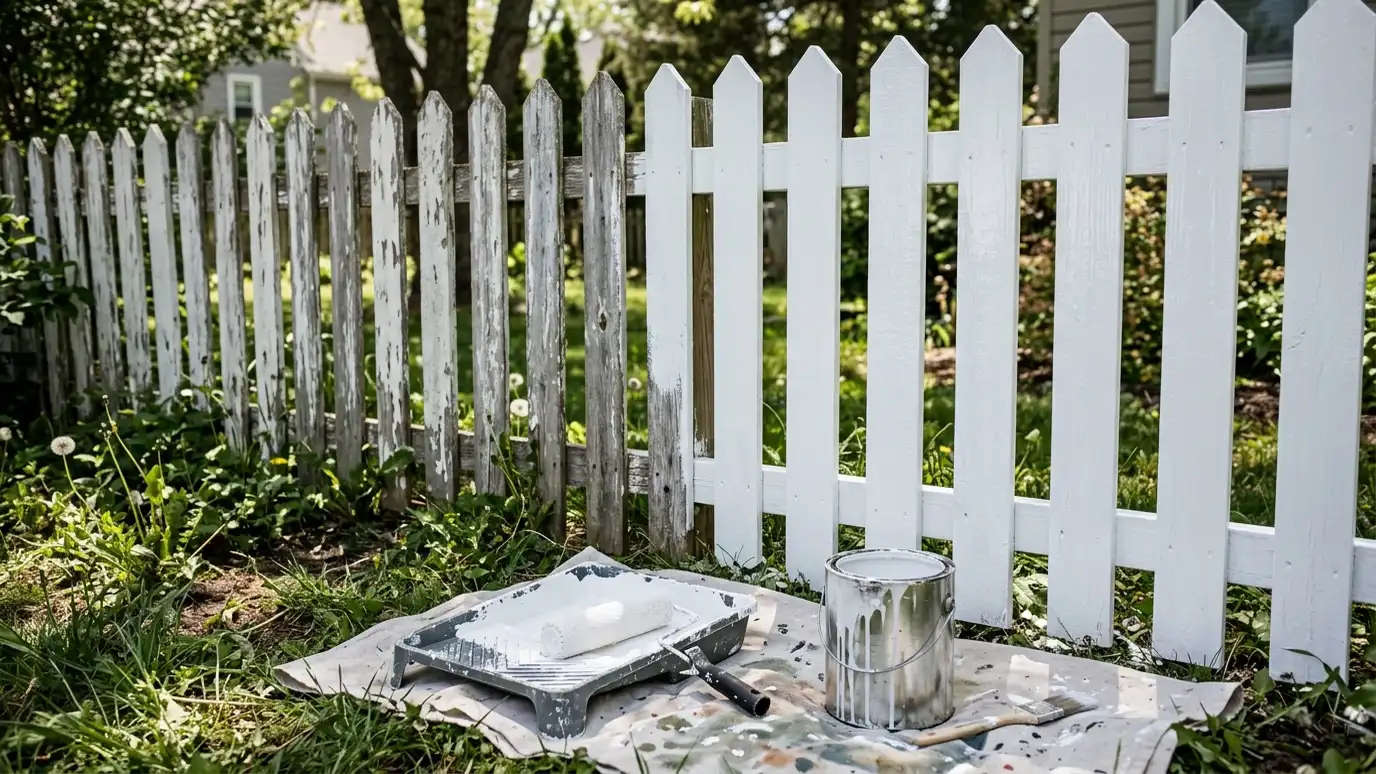 Fence PaintingFence painting with careful prep, primer and durable exterior paint in white and custom colors for picket, privacy…Explore
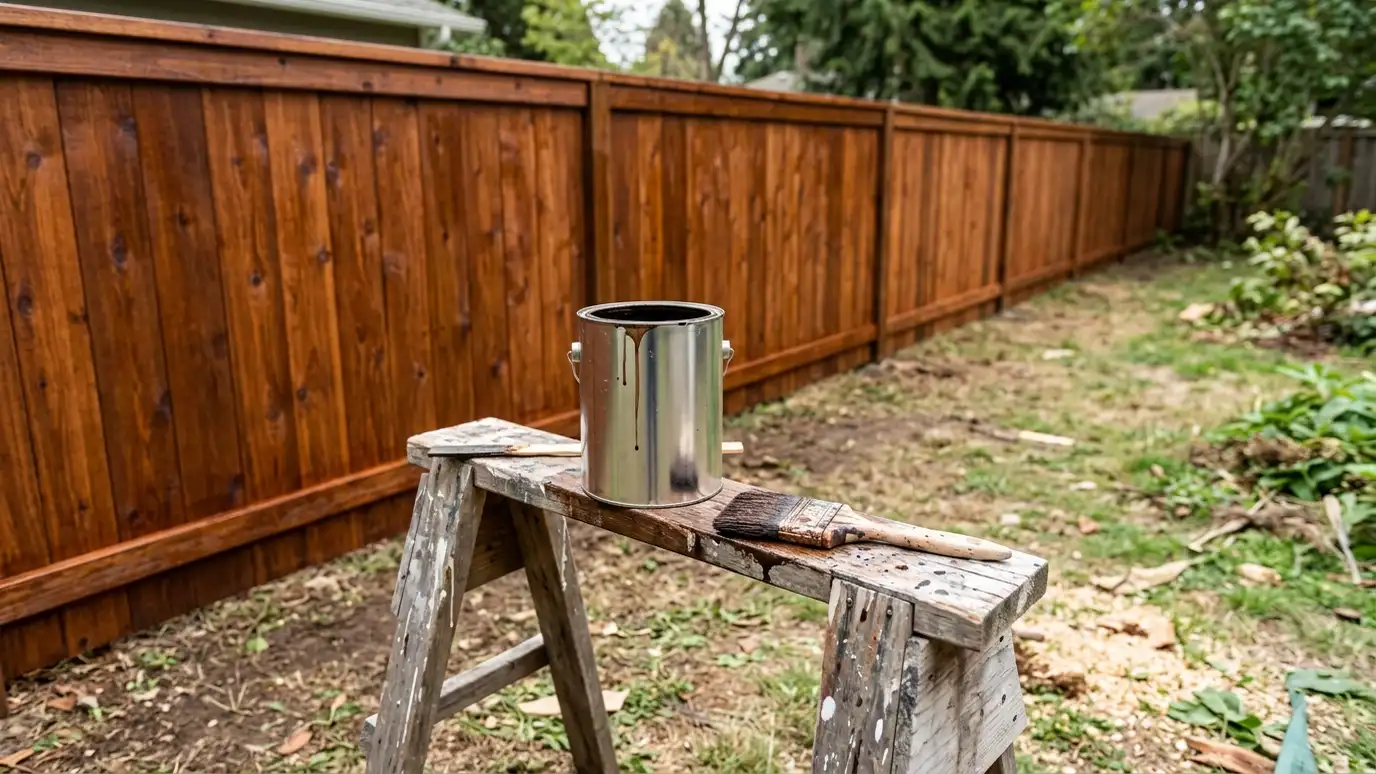 Stained and Sealed Wood FencesNew wood fences installed with the right stain or sealer from day one, protecting boards against sun and…Explore
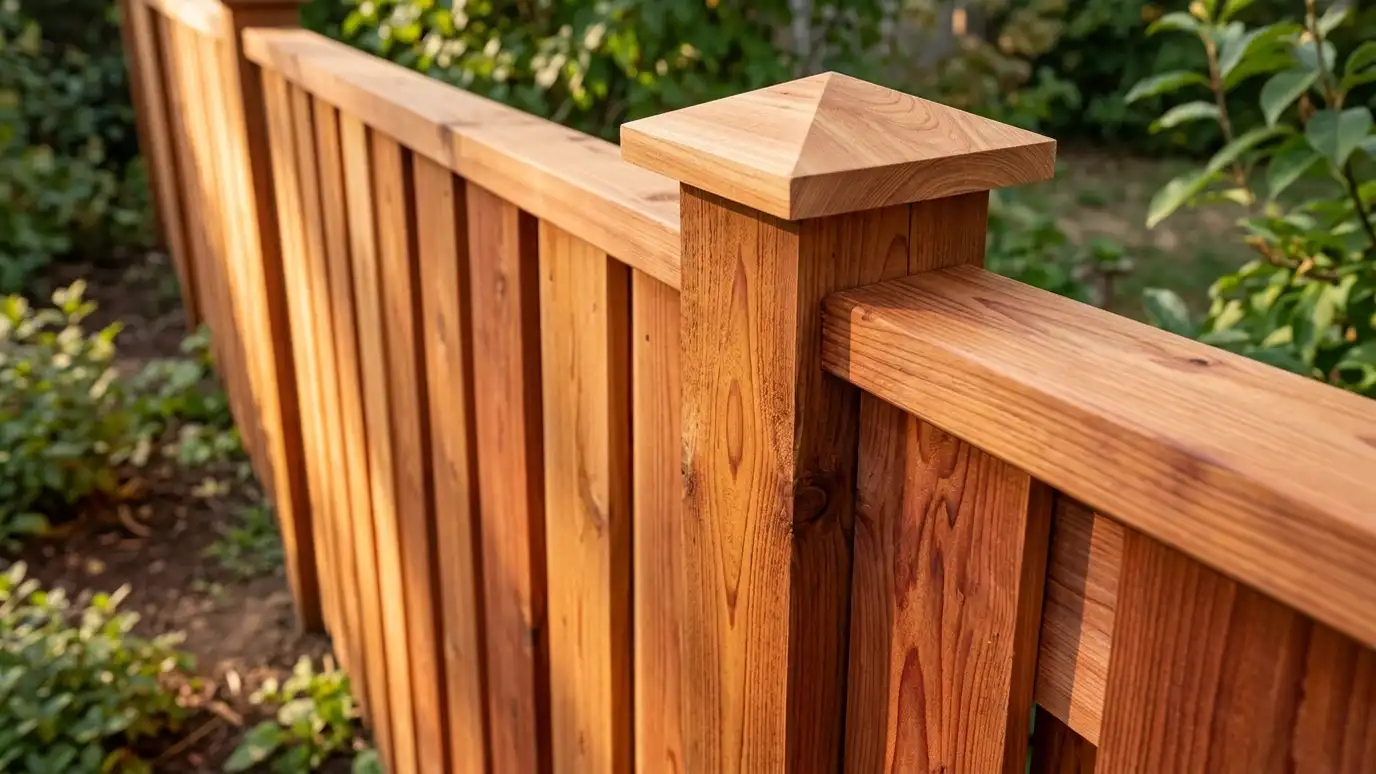 Cedar FencesCedar fences with naturally rot-resistant wood, rich red-brown color and clean lines for privacy, picket and decorative styles…Explore
Tell us about your property and we will call you back to set up a visit.
Or call (615) 357-7797 to talk now.