Start with the animals
Horses, cattle, goats, sheep and hogs each need different heights, spacing and visibility.
Think about the youngest and smallest animals too.
Describe your animals when you ask for a quote.
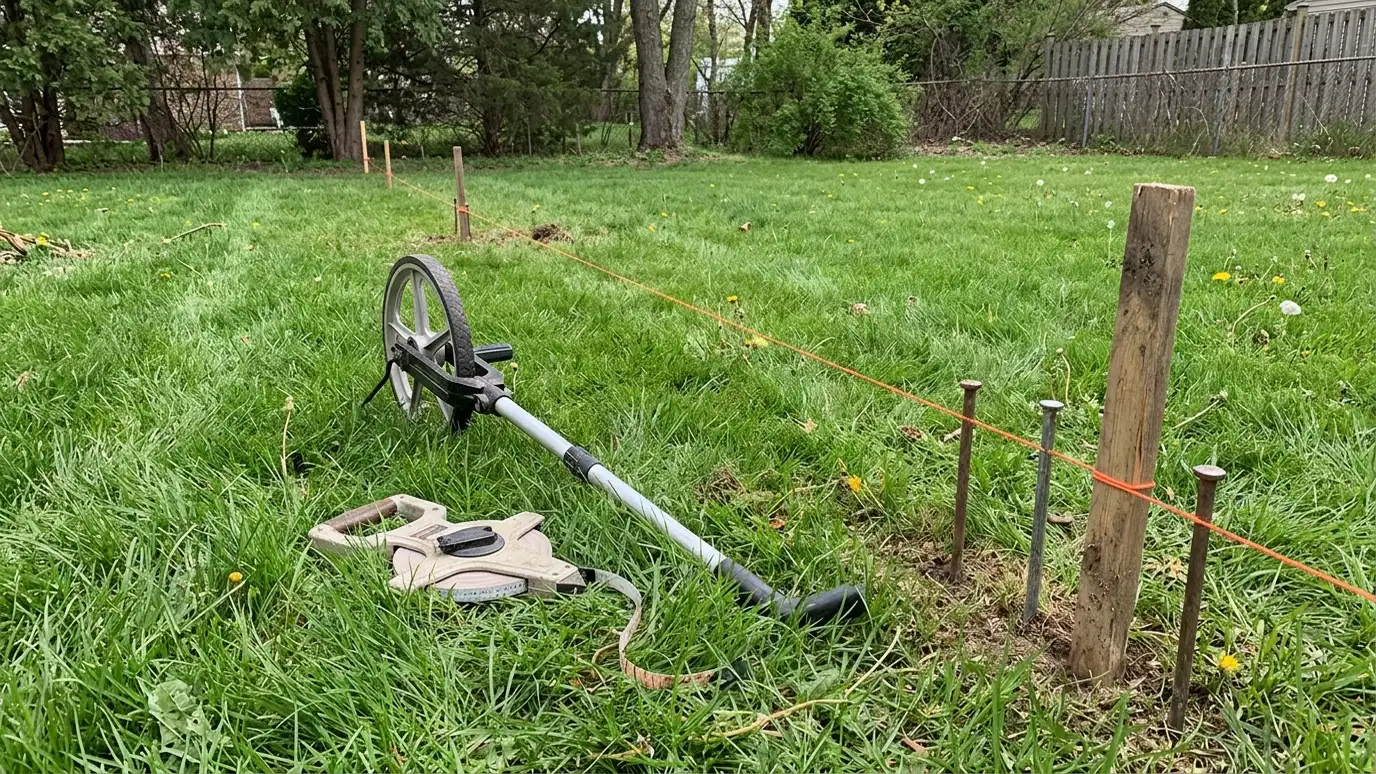
Walk the property at different times of day, and watch where animals go. They show you where traffic is heaviest, where they gather and where they push. Those spots should get the strongest fence and the best gates.
Choose the fence type
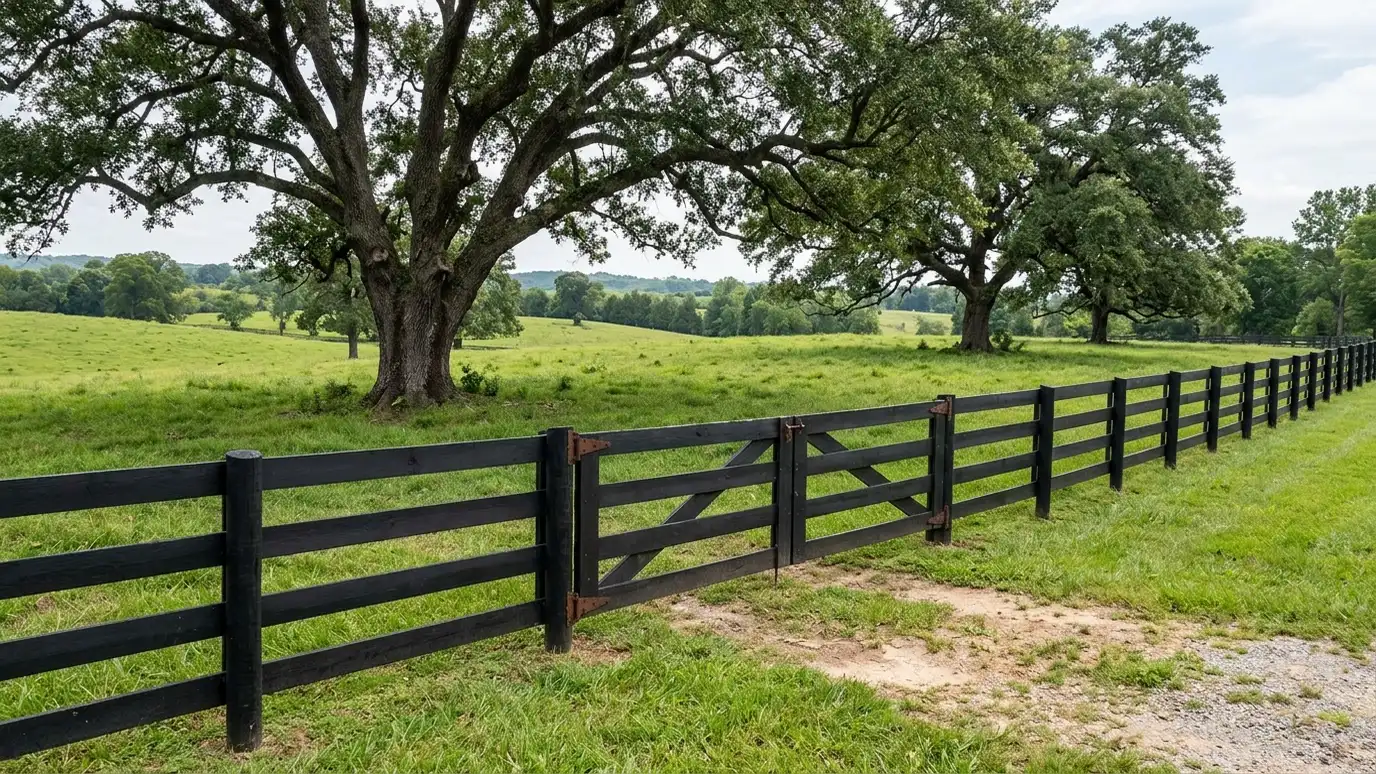
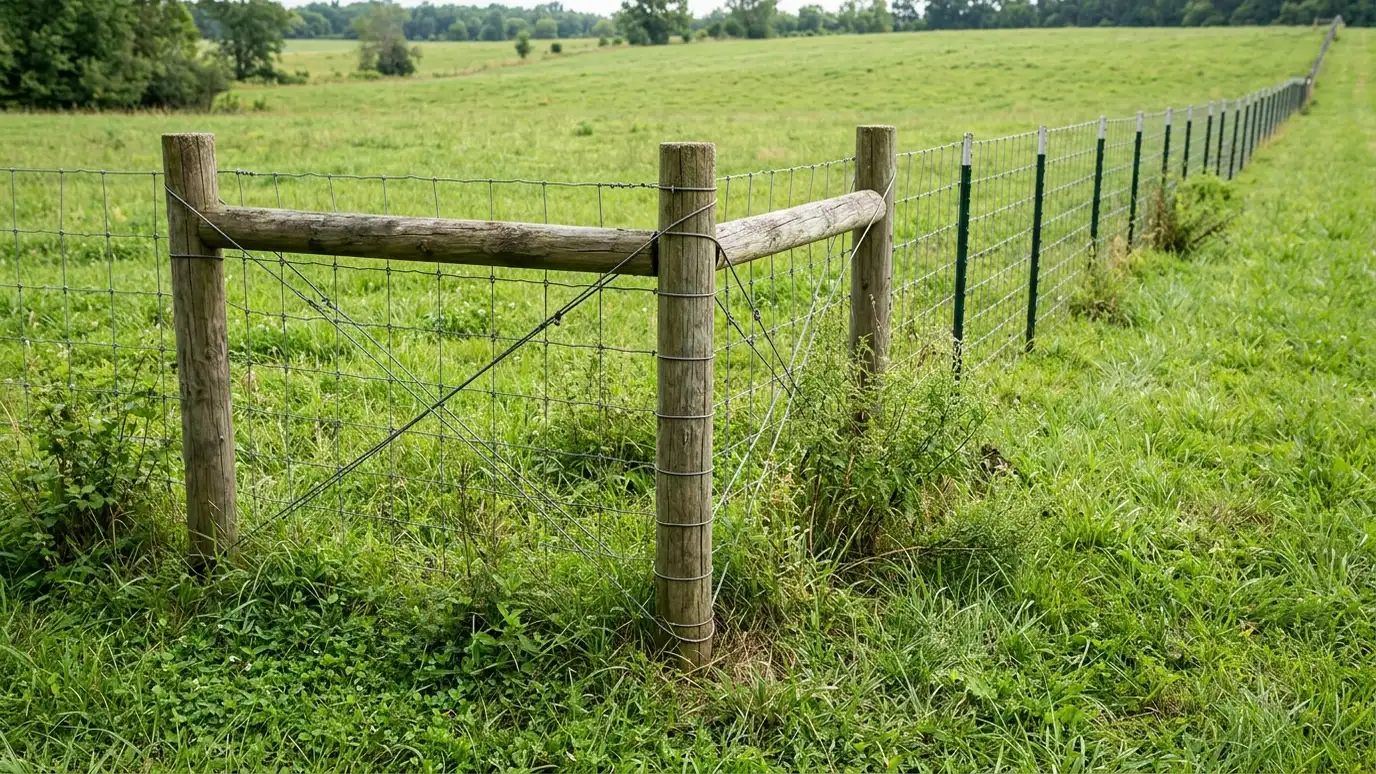
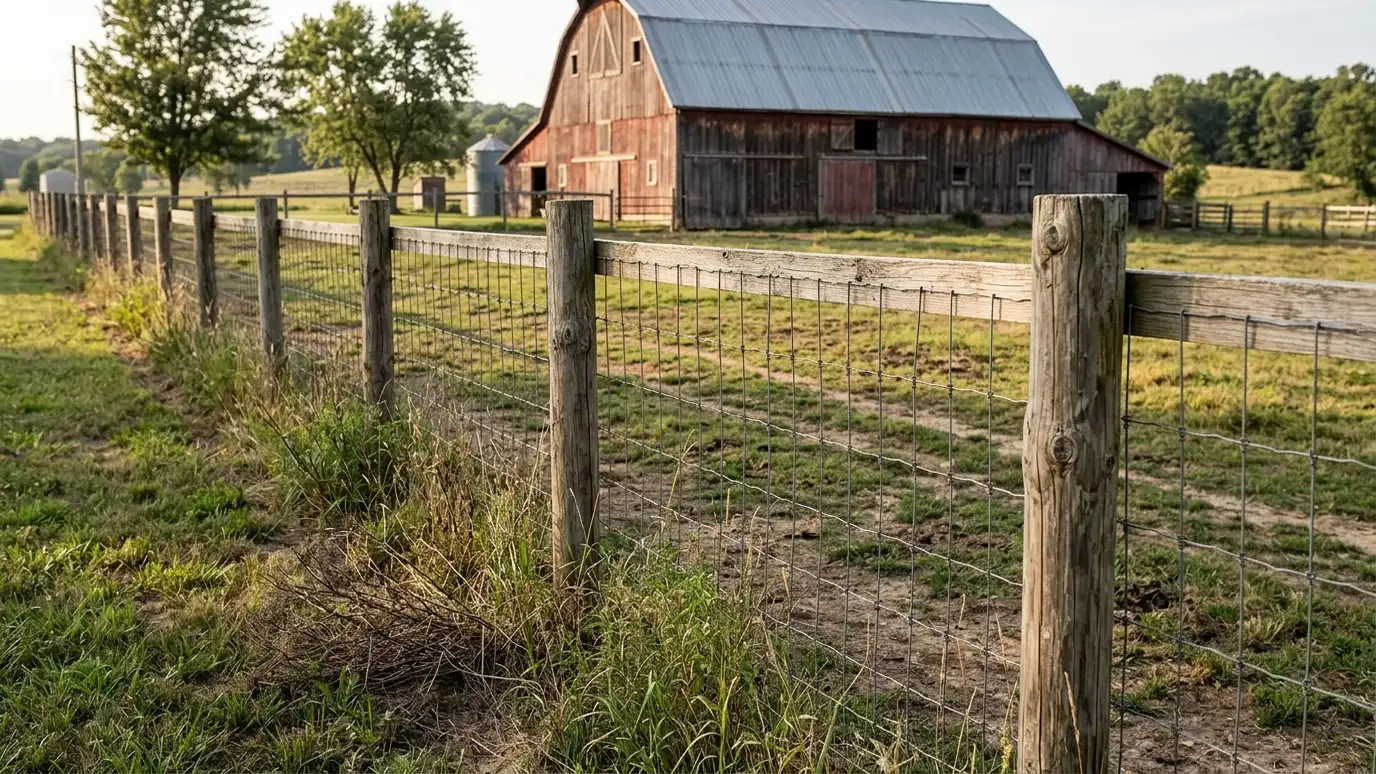
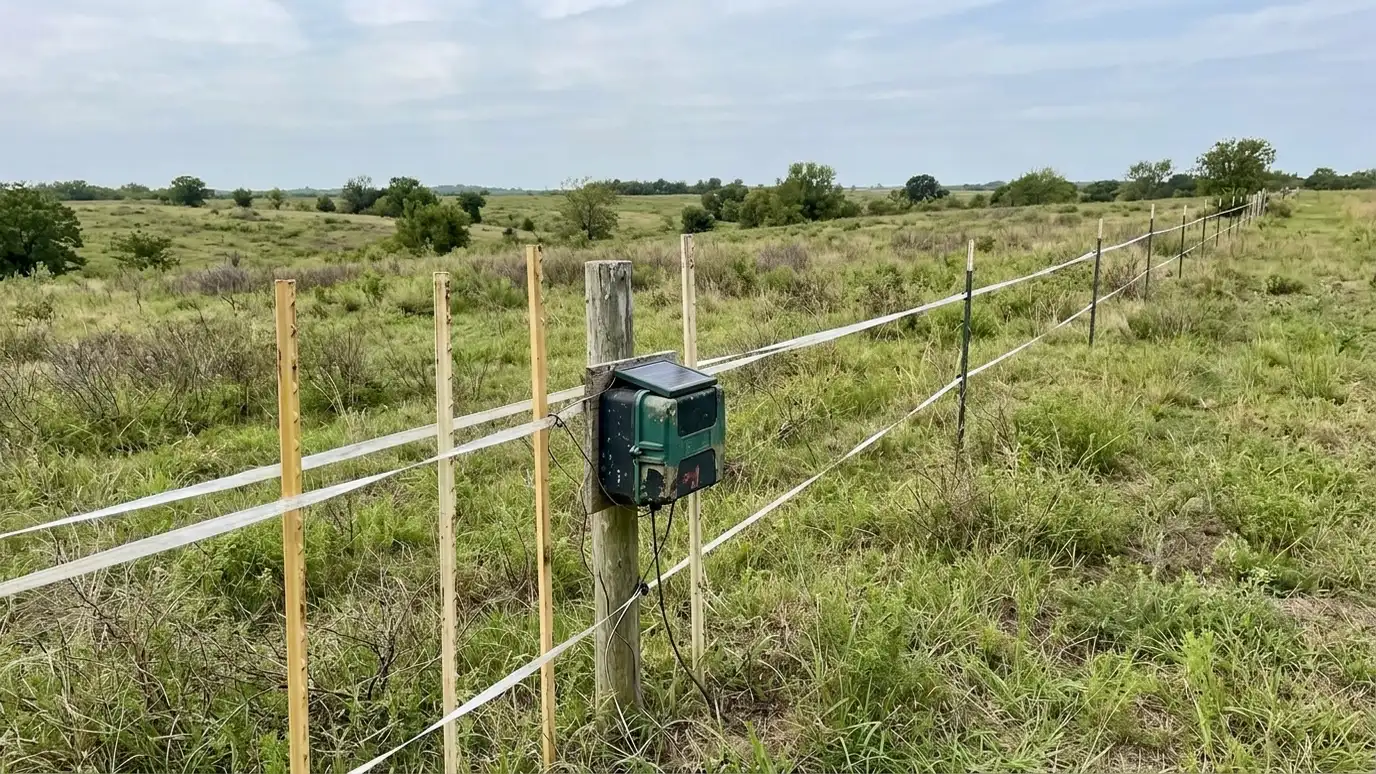
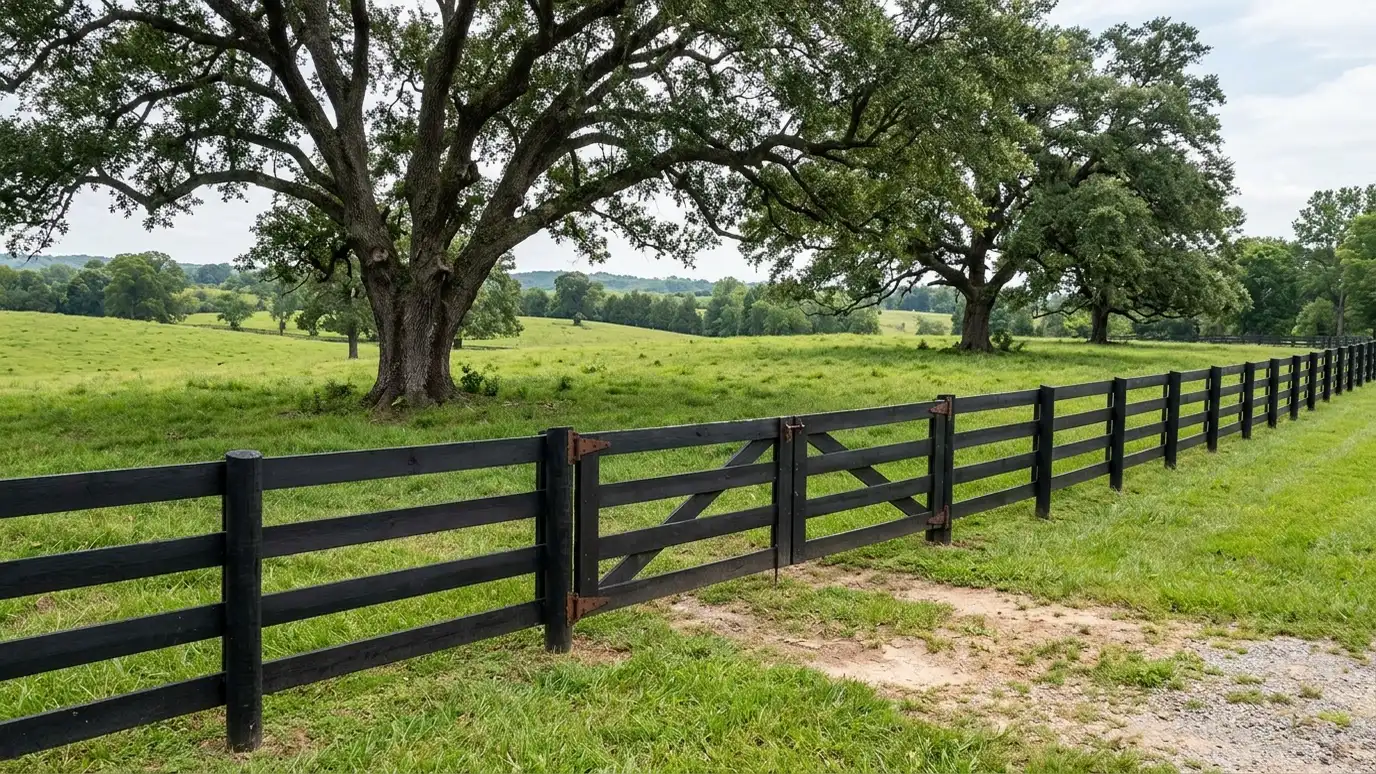
Board and rail suit horses, woven wire suits goats and calves, high-tensile suits long spans and electric adds protection.
Many farms use a mix.
We explain costs and care for each.
Ask your local extension office or a neighbor with similar animals what has worked for them. Local experience is valuable, and it helps you avoid mistakes. We are glad to share what we see on Middle Tennessee farms.
Corners and gates
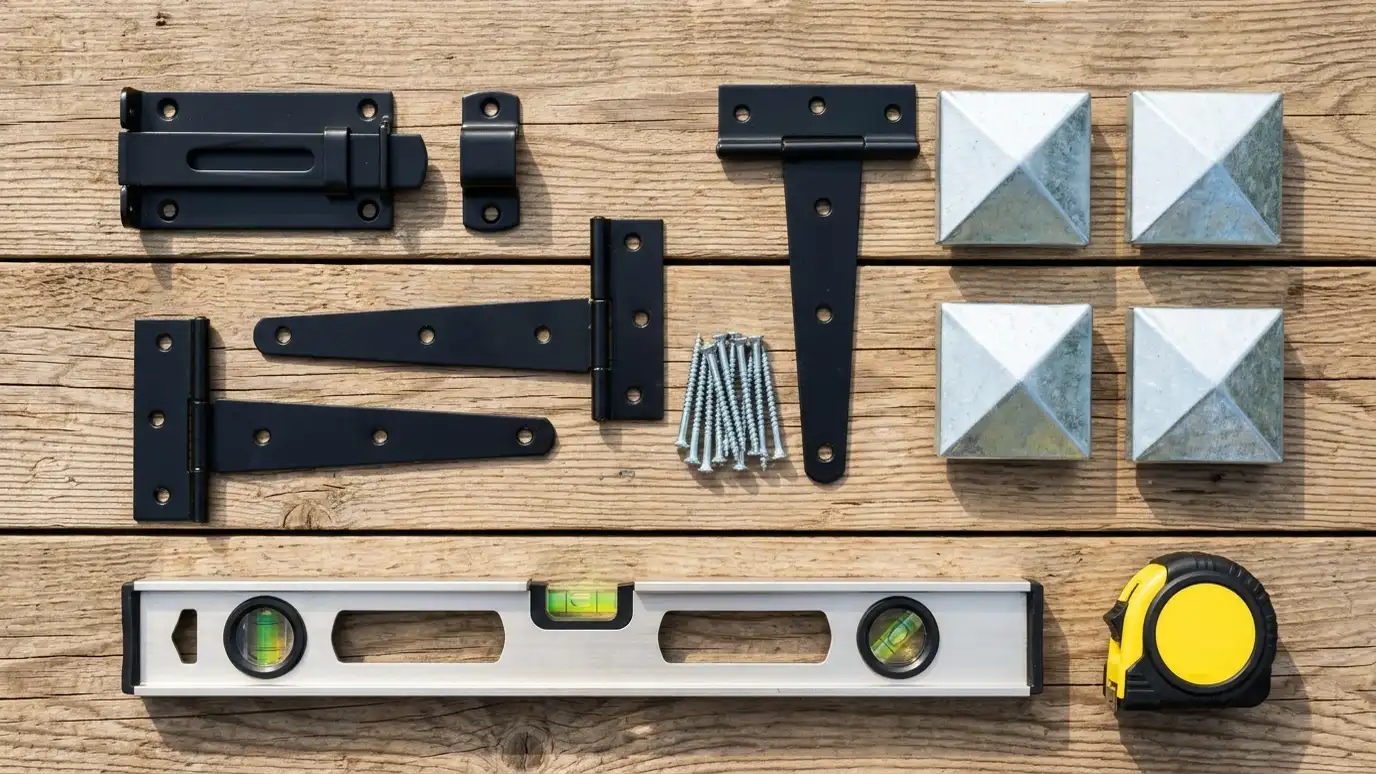
Corners and gates carry the tension and traffic, so they need large posts, deep holes and good bracing.
Place gates where animals and equipment move naturally.
Plan gate widths for tractors and trailers.
Draw a simple map and mark gates, water sources, barns and lanes. A map helps you and your fence company plan layouts and quantities, and it makes quotes easier to compare.
Water and shade
Fences should give animals access to water and shade without trampling creeks or banks.
Cross fences let you rotate pastures.
Plan paddocks around water.
Think about the future. If you may add animals, split pastures or build a barn, plan fence lines and gates to allow it. A bit of foresight can save money and effort later.
Layout
Walk the property and sketch pastures, lanes and barns before buying material.
Think about how animals will be moved and handled.
Good layout saves fence and steps.
Plan your layout with the sun, wind and drainage in mind. Fences that cross low, wet areas need more care, and fences on ridges face wind. A good plan avoids repeating repairs.
Upkeep
Walk the lines often, tighten wire and clear vegetation.
Check electric ground systems and gates.
Fix small problems quickly.
Keep a small kit for fence repairs: pliers, wire, a few insulators and a tester. Quick repairs keep animals in and prevent small gaps from becoming big problems.
Design around the animals, build corners and gates first and plan water and movement before you buy material.