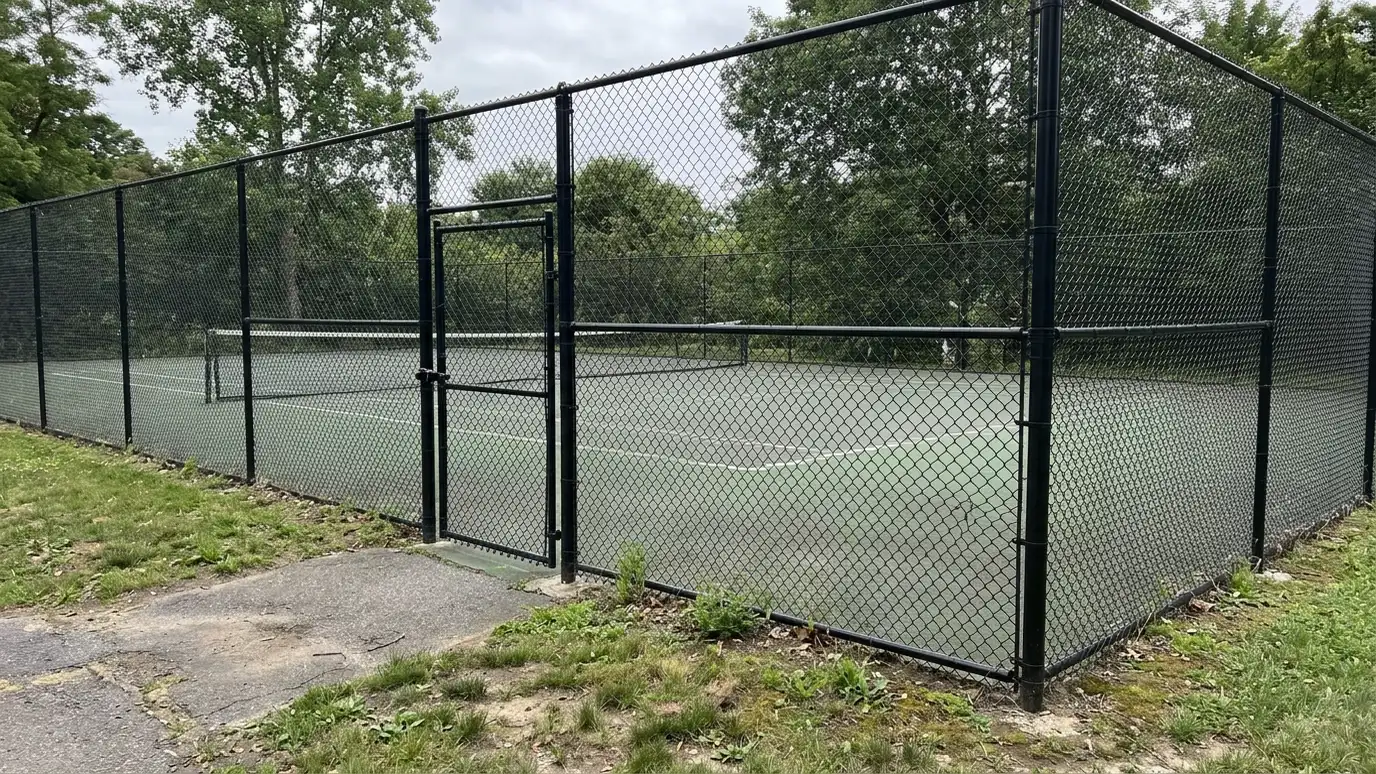
Tall tennis court enclosures, baseball and softball backstops and ball field fencing in coated chain link with strong posts, netting and gates.
Courts and ball fields need tall fences that can take a beating. Tennis court enclosures are typically ten to twelve feet high, with coated mesh and heavy posts, and backstops and dugouts need strong frames and netting. Owners, schools, parks and clubs in Nashville ask us to build or repair court and field fencing that keeps balls in, looks neat and lasts through years of play.
We begin with a Free Estimate and walk the court or field, noting the surface, layout, gates and wind exposure. We recommend heavy line posts, corner posts with bracing, top rail and tension wire and vinyl-coated fabric in a color that suits the facility. We plan gates that open fully and close quietly, windscreens where wanted and net systems for backstops and tall sections. We discuss maintenance and what to check each season. Court fences take wind and impact, so details matter. Heavy posts, good bracing and quality fittings keep the fence tight, and gates need to open fully for maintenance equipment. We also think about glare, color and how the fence looks from the neighbors side of the property.
Tall fences catch wind, so posts and footings are sized for the loads, and windscreen needs extra bracing.
Larger posts at corners and gates, with bracing, keep the fence straight and tight.
Wide gates for equipment and quiet latches for play make a court easier to use.
Backstops, dugouts and netting protect spectators and neighbors from stray balls.
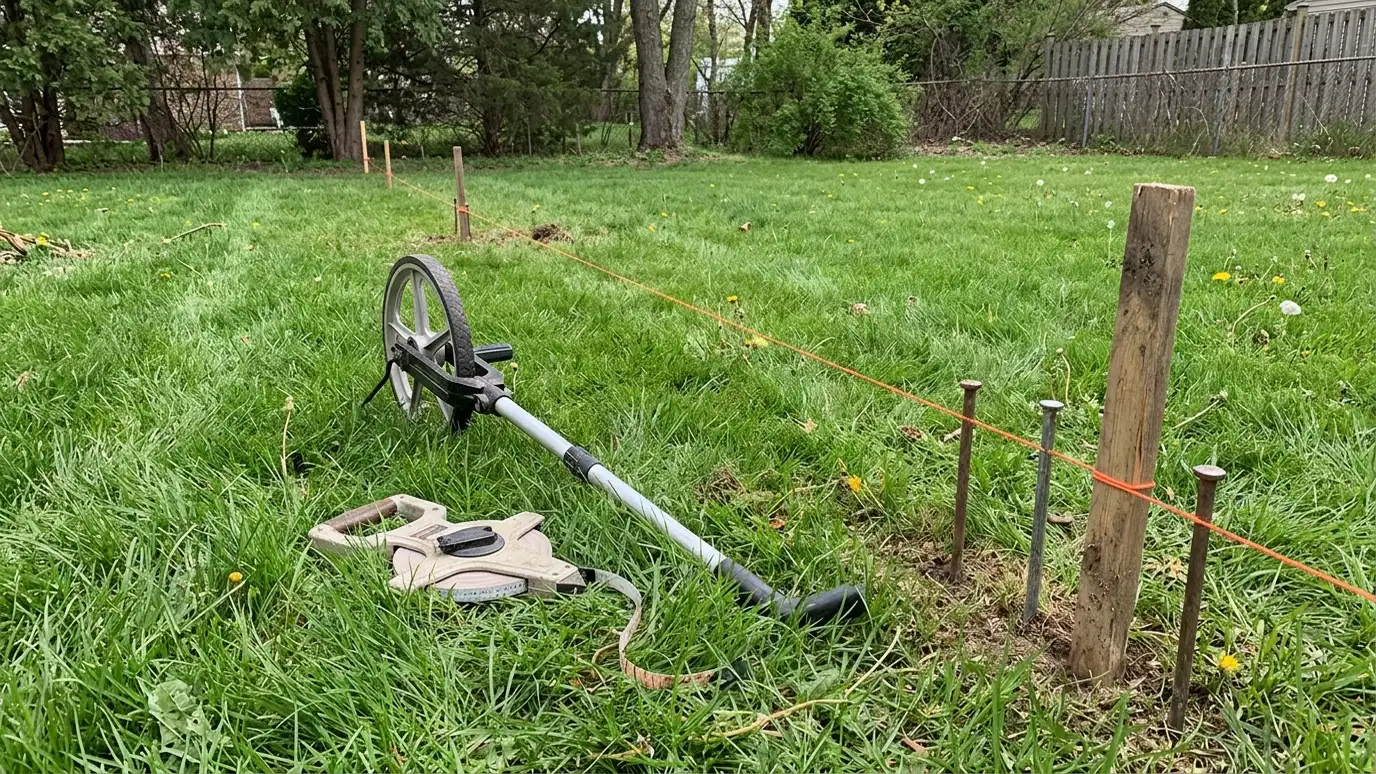
Layout, surface and wind noted.
Height, posts and gates set.
Footings sized for the load.
Tight and tied to rails.
Latches and windscreen fitted.
Tension and cleanup checked.
Every topic has its own page with what to expect and how we approach it.
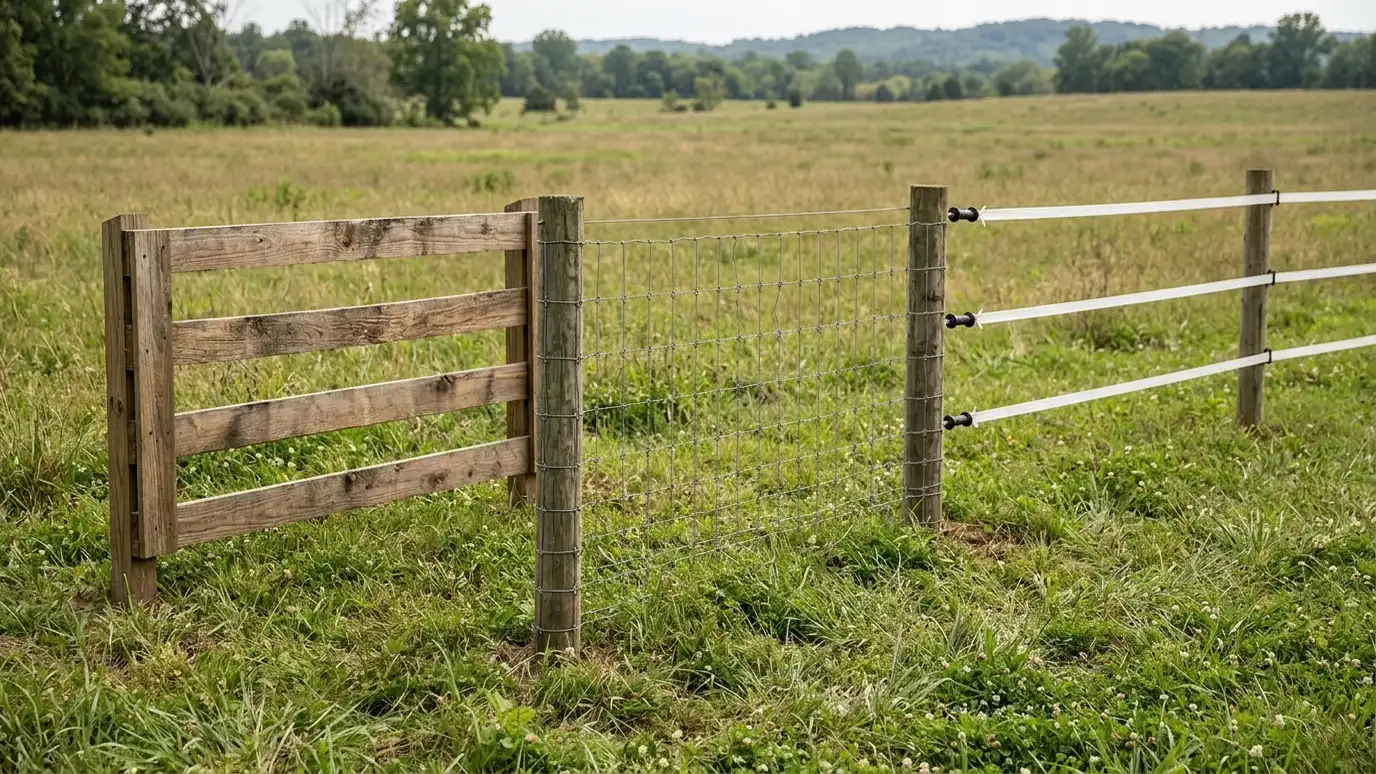 Comparison guideFarm and Pasture Fence TypesHow board, rail, woven wire, high-tensile, electric and panel fences compare for horses, cattle, goats and sheep.Learn more
 ResourceAFAA trade association for the fence industry that offers education, events, safety resources and industry news for contractors…Learn more ResourceASTMA standards organization that publishes technical standards for materials, products and testing, including many used in fencing.Learn more
Answer five questions about your property, goals and timing to see which fence services to start with.
You tell us what you want the fence to do, and we set a visit that fits your day.
We walk the line, measure runs and gates, note slope, trees and utilities and talk through your goals.
You receive a plain written scope with style, height, materials, gates and price before anything begins.
We stake the line, request utility marking where needed and set posts plumb and aligned.
We frame the fence, install pickets or panels and hang gates with strong hinges and latches.
We clean up, walk the fence with you, show how gates work and explain care.
Ten to twelve feet is typical, with the final height depending on the facility and rules.
Black and green are common because they reduce glare and blend in.
Yes, with posts and rails designed for the extra wind load.
Yes. We plan frames and netting for baseball and softball fields.
Yes. We replace fabric, posts and hardware.
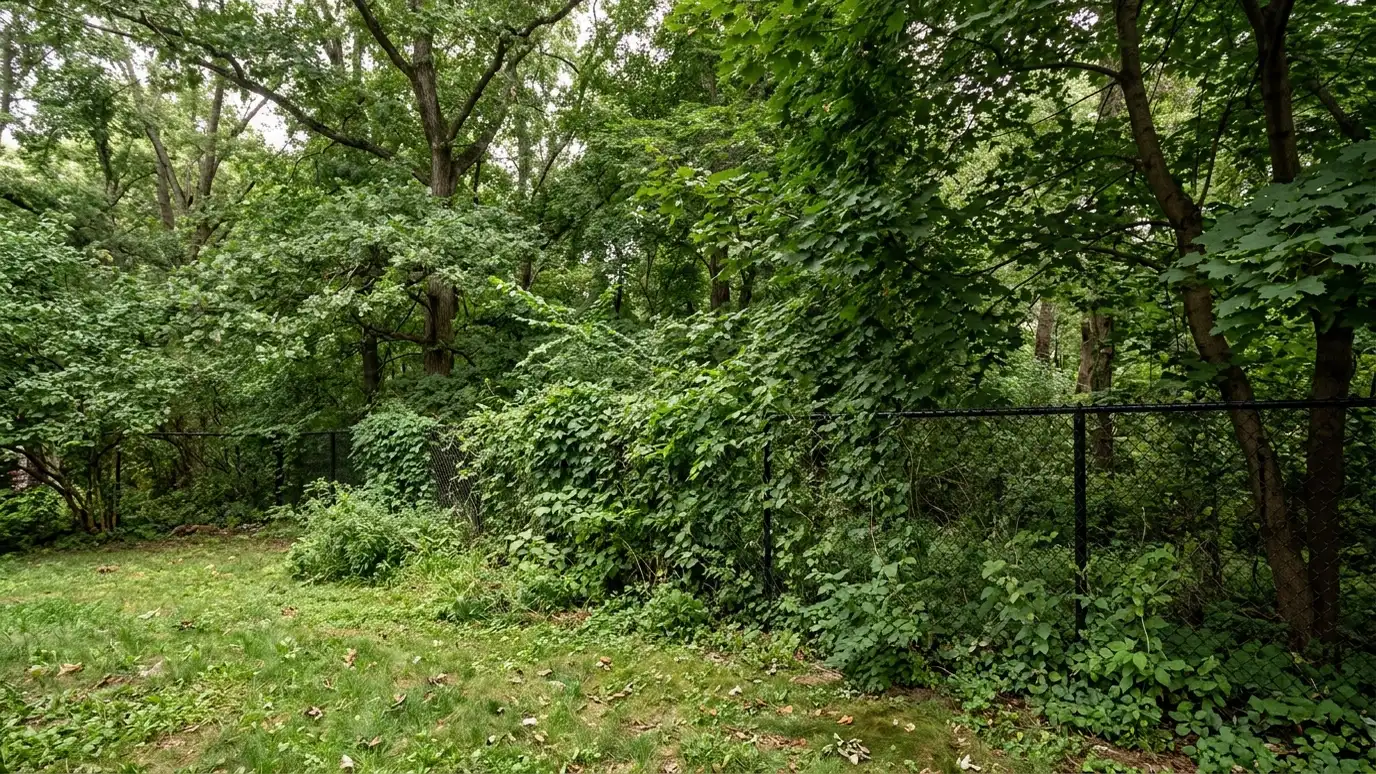 Vinyl-Coated Chain Link FencesBlack, green or brown vinyl-coated chain link fences that blend into landscaping, resist rust and give a cleaner…Explore
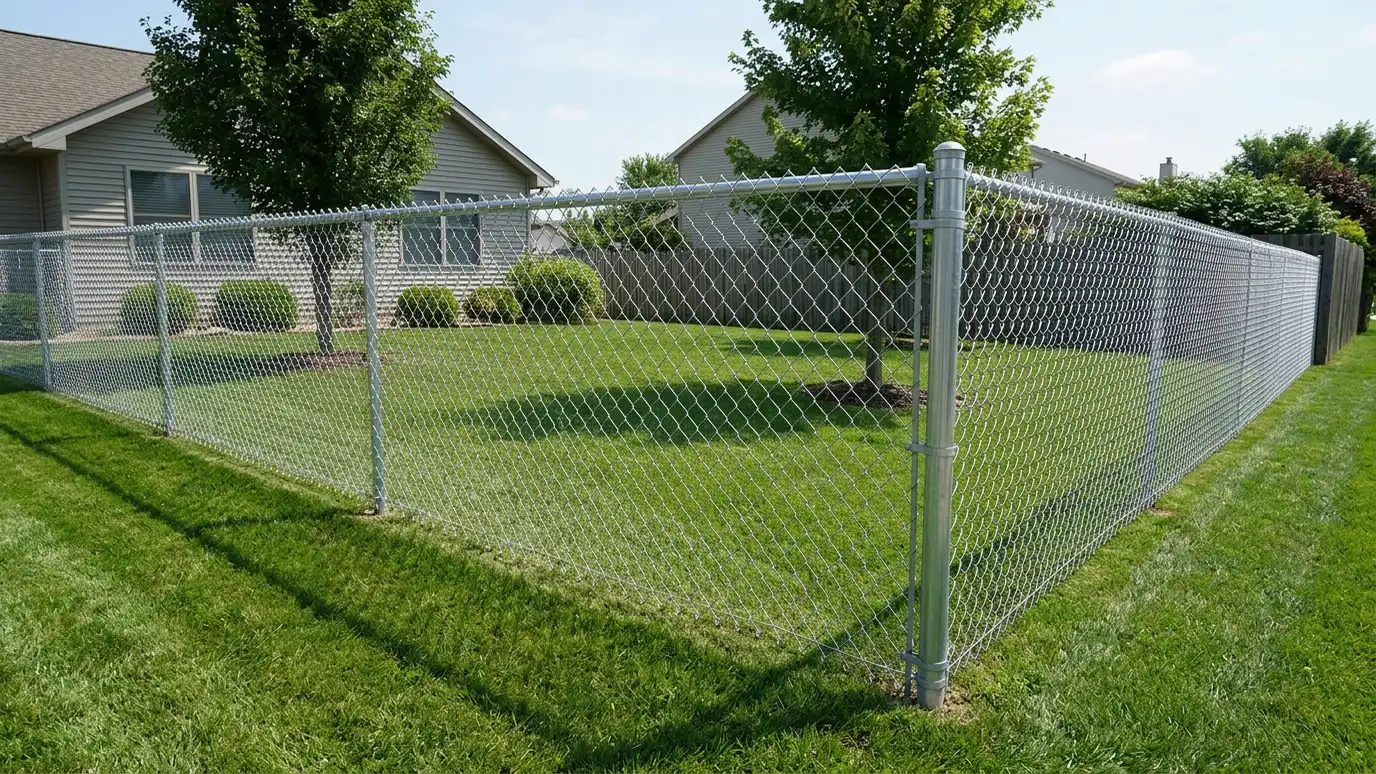 Chain Link FencesGalvanized chain link fences with top rail and set posts for yards, dog runs, ball fields and lots…Explore
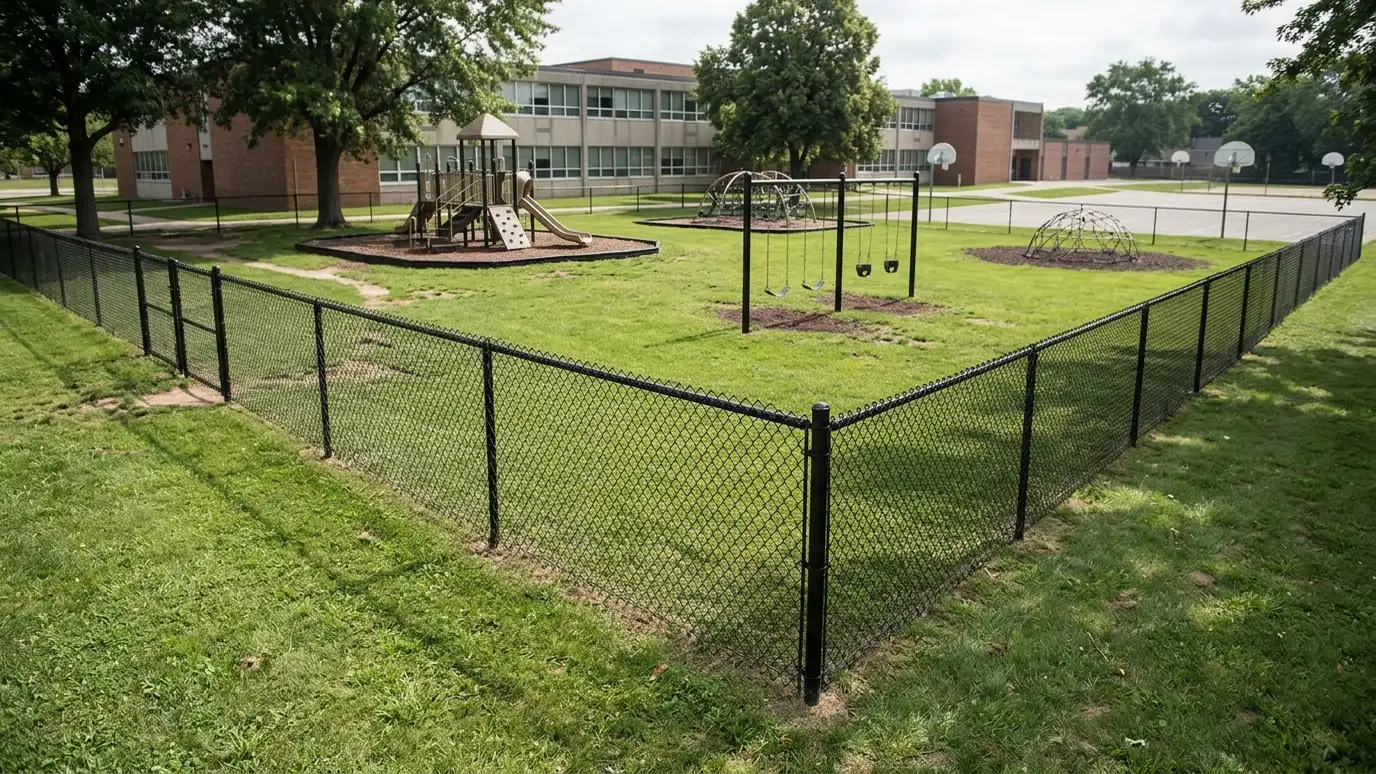 School, Church and Sports FencingFencing for schools, churches, parks and sports fields, with coated chain link, ornamental steel, ball stops and gates…Explore
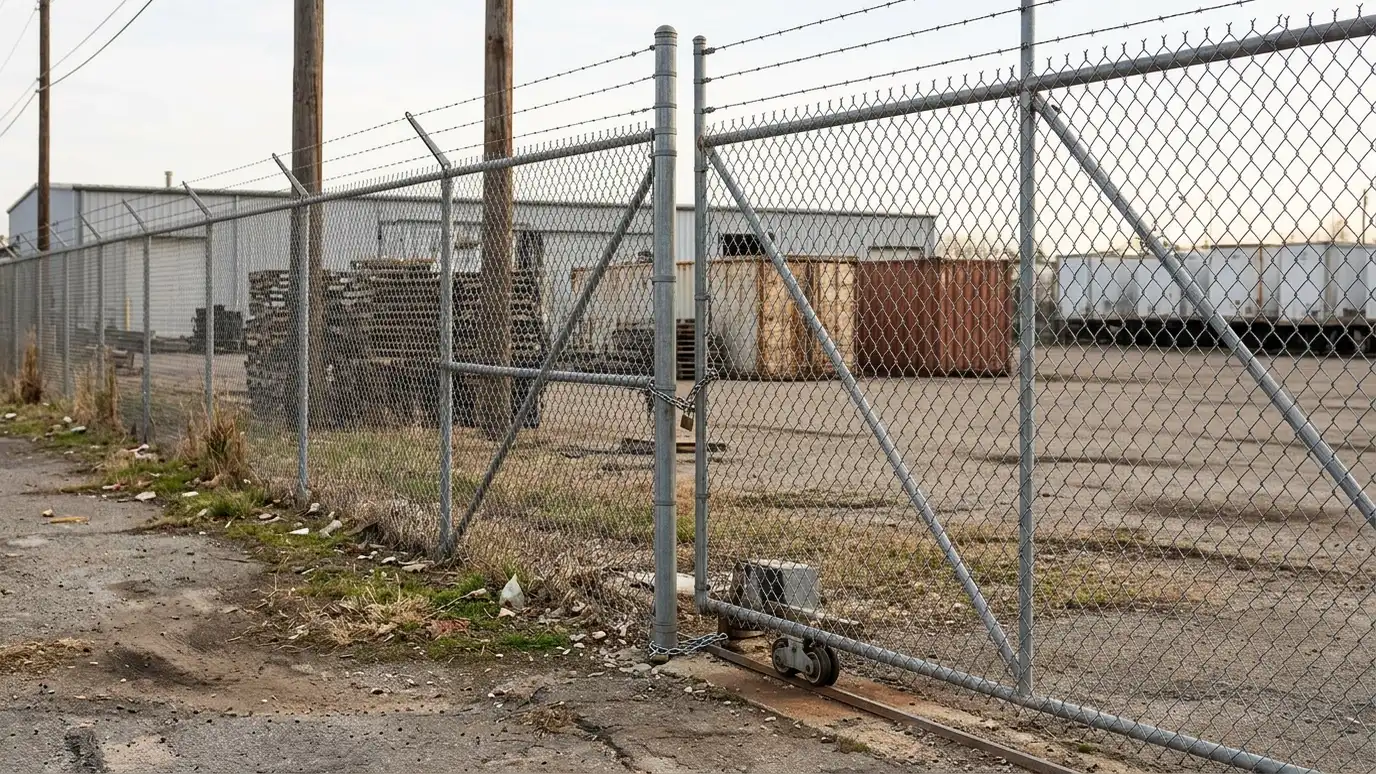 Industrial and Security FencingIndustrial and security fencing with tall galvanized chain link, razor or barbed wire options, heavy gates and anti-climb…Explore
Tell us about your property and we will call you back to set up a visit.
Or call (615) 357-7797 to talk now.