Three metals, three personalities
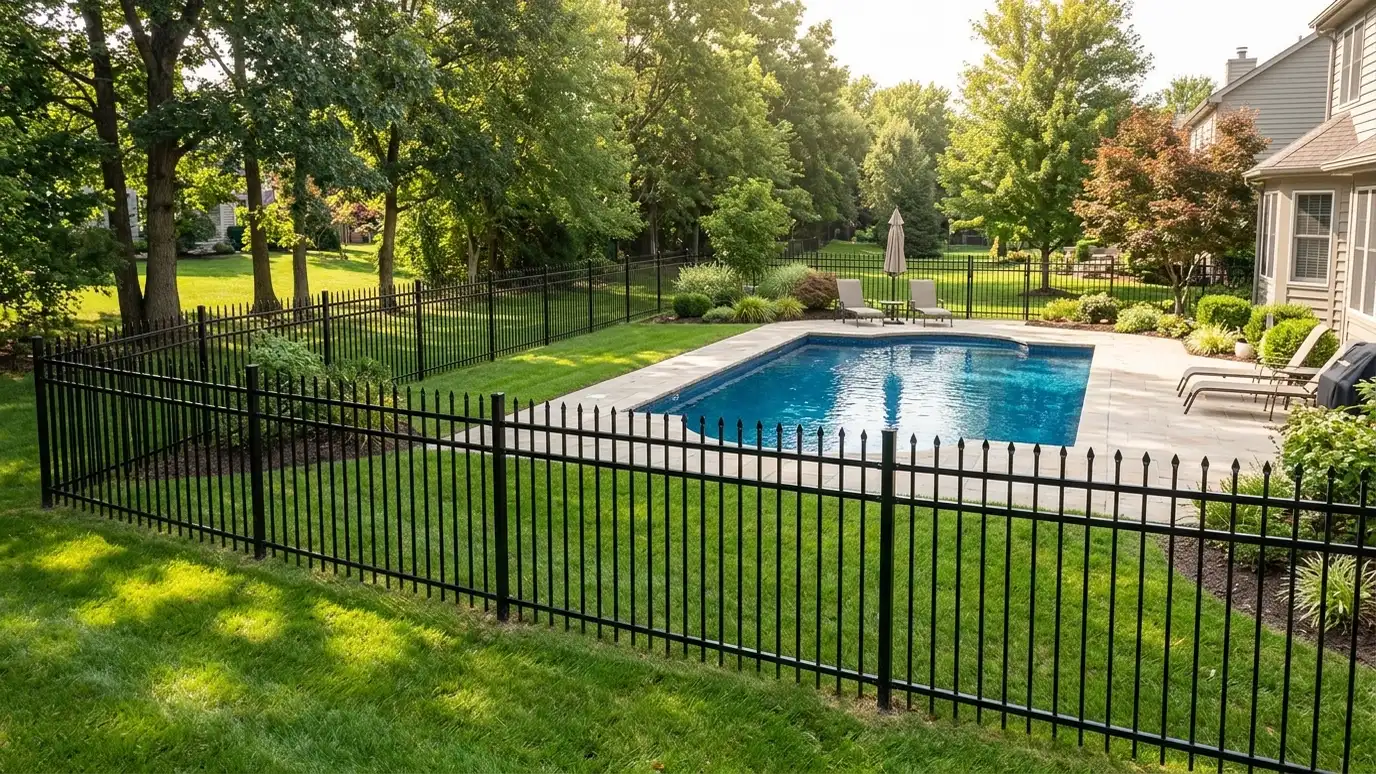
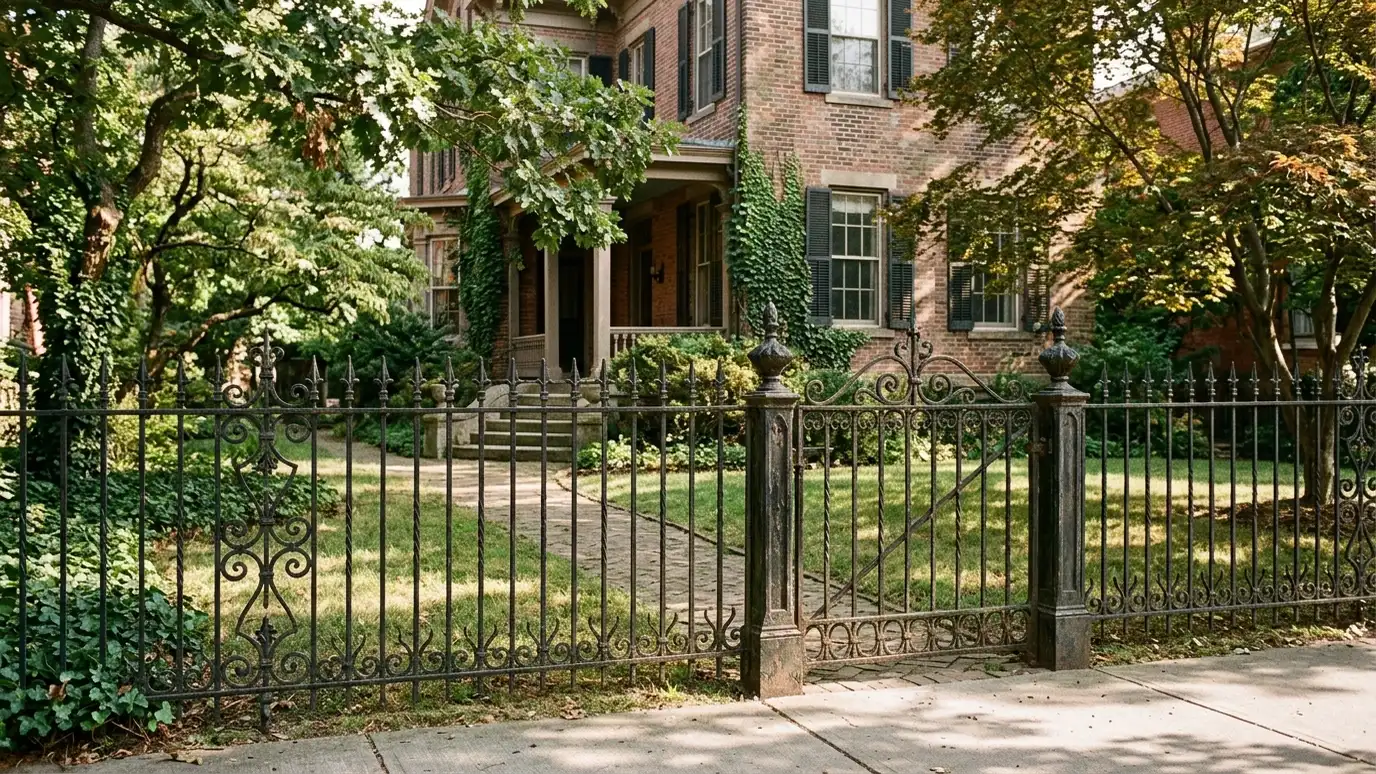
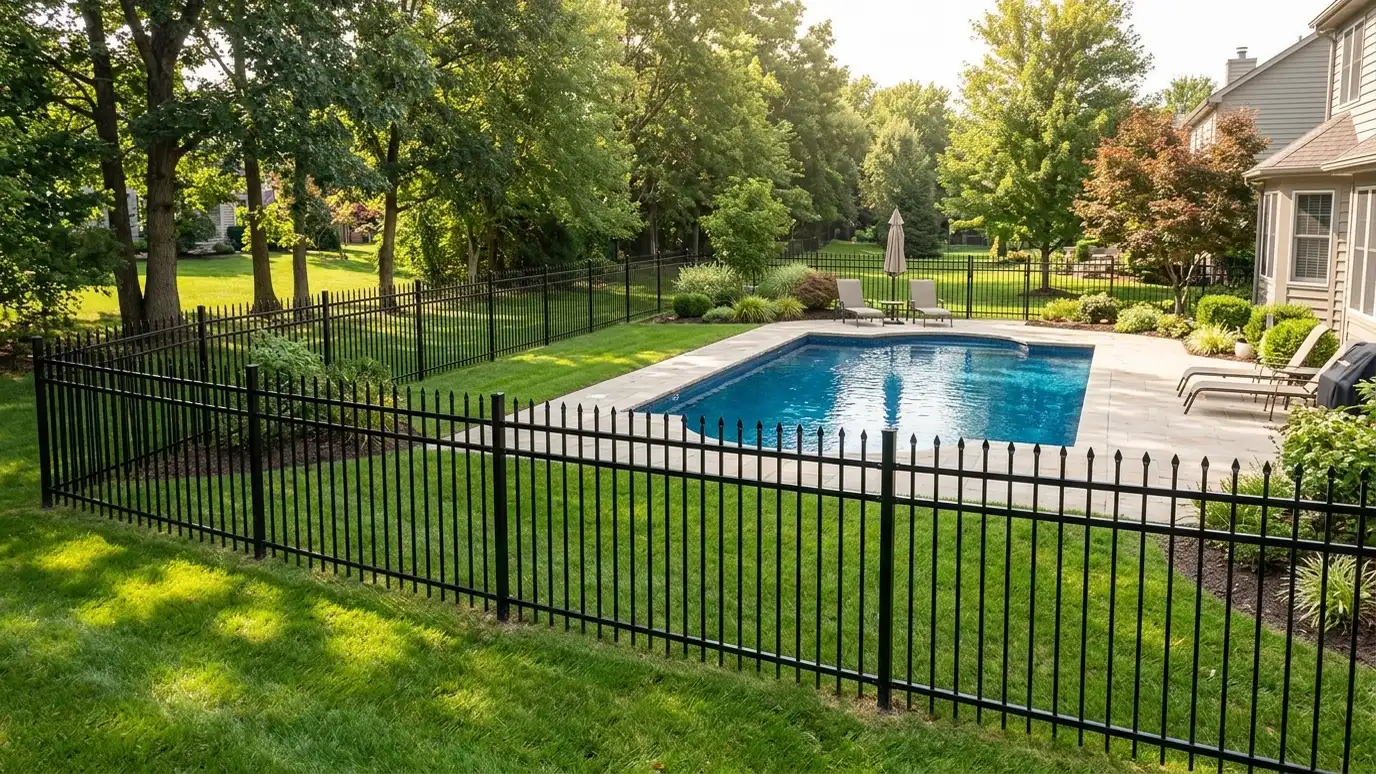
Aluminum is light, does not rust and is common for pools and yards. Steel is heavier and stronger and suits security and commercial entries. Wrought iron style adds scrollwork and a traditional look.
Each can be powder coated in black or other colors.
Choose by the job, the look and the care you want to give.
Look at a sample panel in your hand. Weld quality, tube thickness and coating show the difference between products, and you can compare them on the spot. A heavier panel will cost more and last longer in demanding settings.
Strength and security
Heavier wall thickness and welded construction give more strength. Picket spacing and top styles affect safety and security.
Think about what the fence should stop and who needs to pass.
We explain the options for each goal.
Think about who and what the fence needs to stop. A fence for a swimming pool has different needs from one for a commercial yard, and a fence for a dog is different from one for a property edge. We design to the job, not to the catalog.
Coatings and rust
Aluminum does not rust. Steel needs galvanizing, primer and powder coat or paint to resist rust, and scratches need touch-up.
Cut ends and drilled holes are weak points where rust begins.
Ask how the metal is protected and how to touch up damage.
Ask about the coating process. Powder coat over galvanized steel, aluminum with a baked finish and painted iron all behave differently, and the way a company talks about coatings tells you how much they care about longevity.
Posts, footings and gates
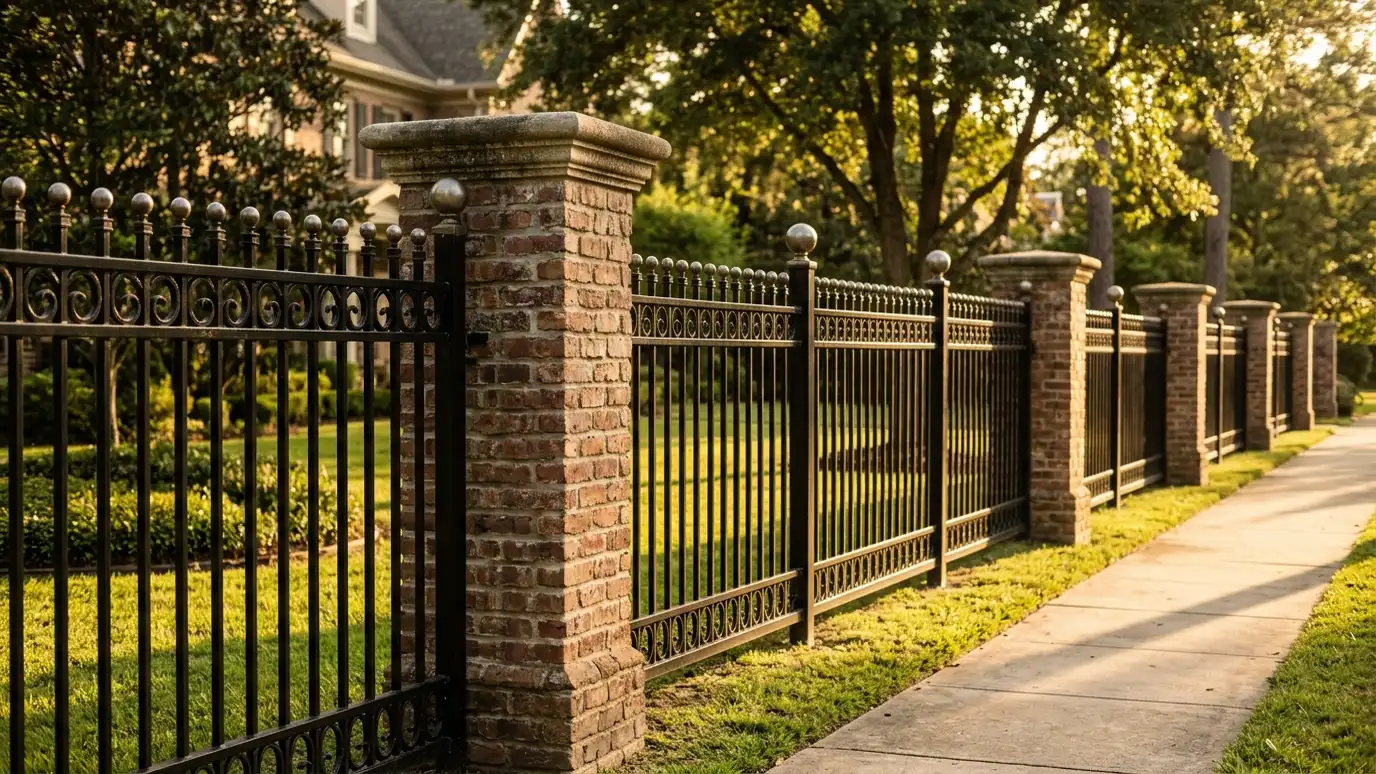
Metal fences and gates are heavy, and posts need the right size and footings. Masonry columns add weight and style.
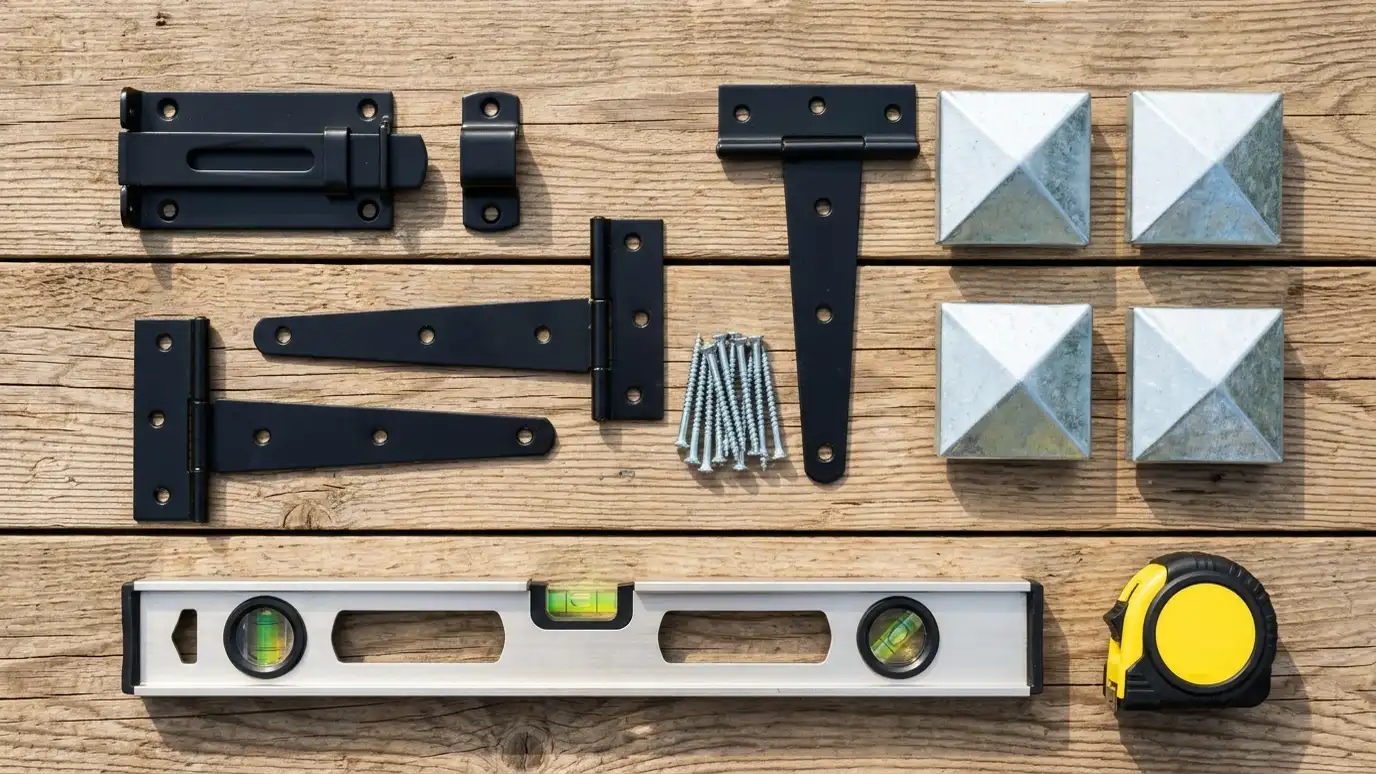
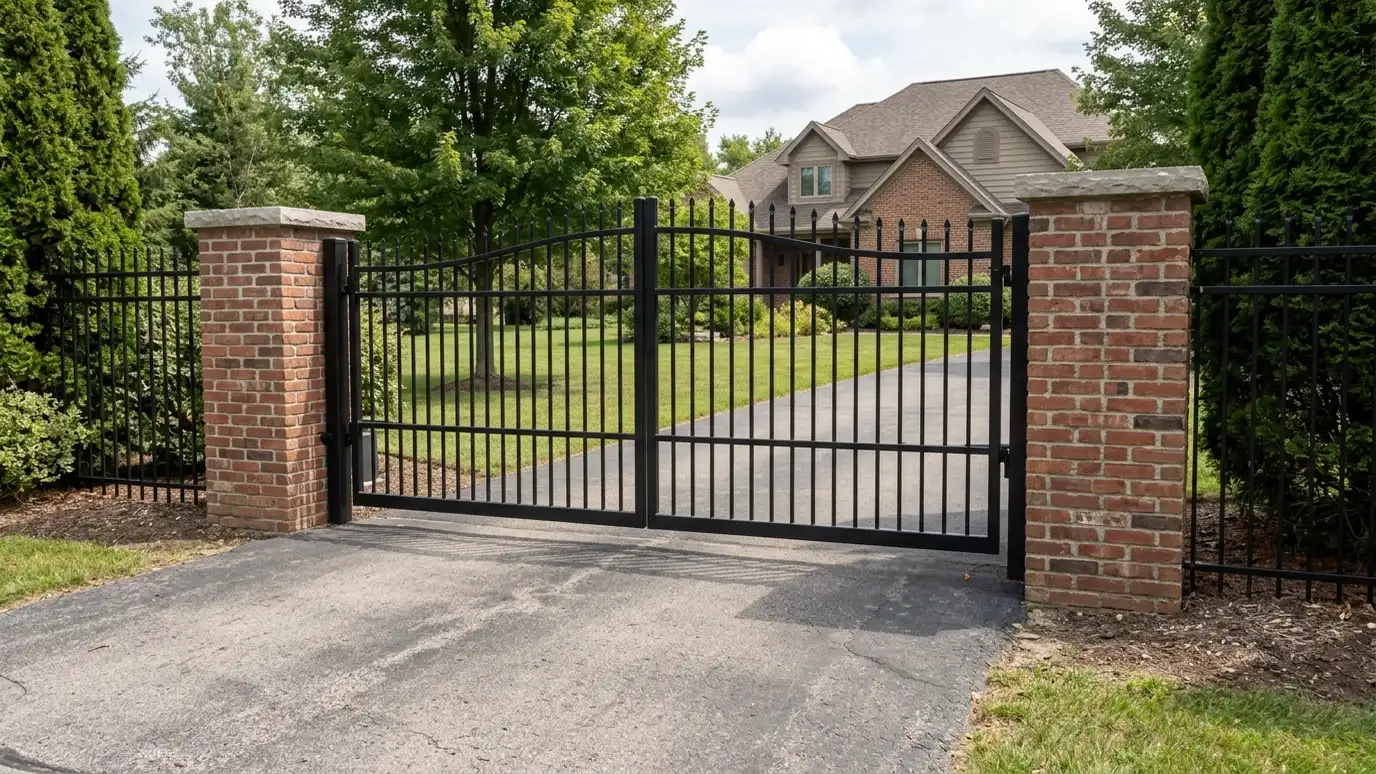
Gates carry heavy loads and need strong hinges and good hardware.
Plan power and conduit early if you want openers.
If you want automatic gates, plan power and conduit before the fence is built. It is easier and less costly to install conduit in an open trench than to dig a finished fence line later.
Slopes and layout
Panels rack on gentle slopes and step on steeper ones, and the layout decides how many cut panels are needed.
A good layout looks neat and saves material.
We lay out the posts so panels fit.
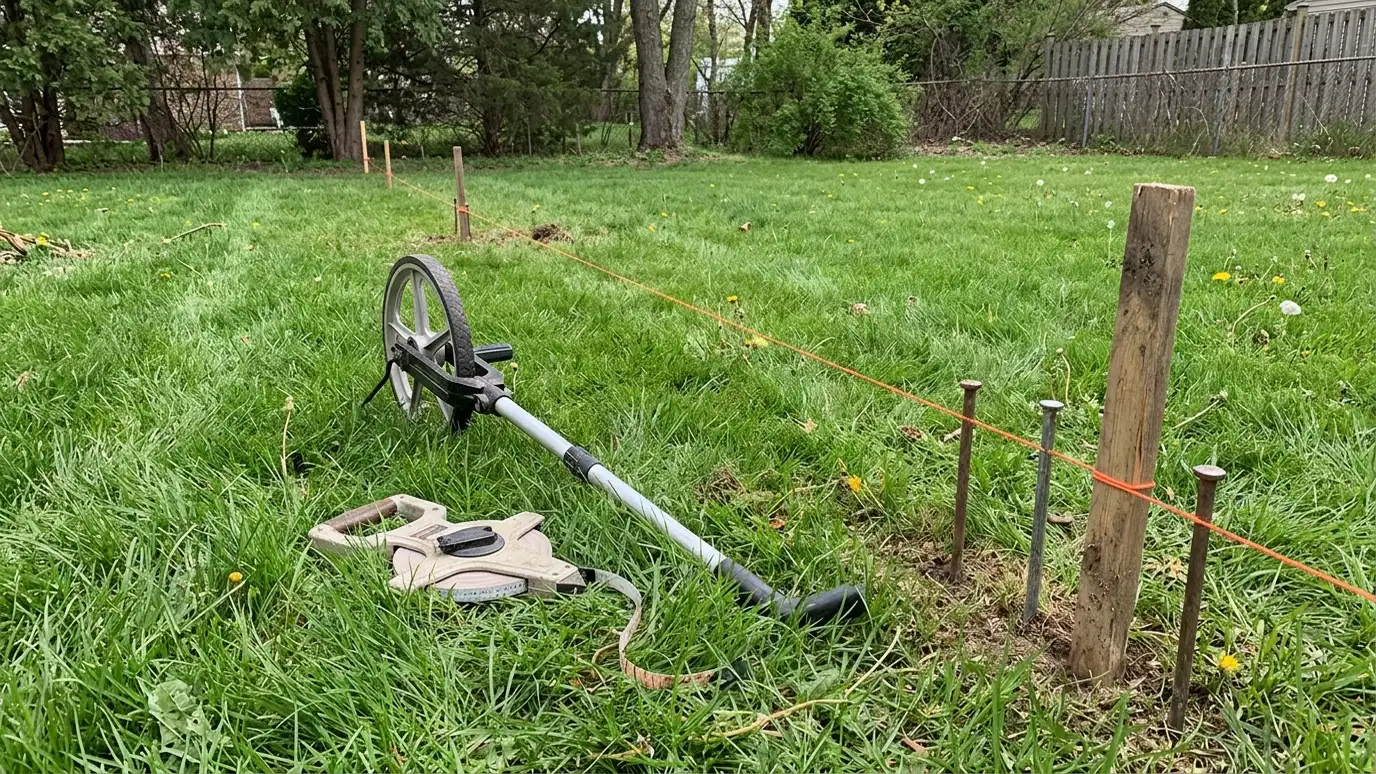
Walk the line with a tape and mark gates and corners. A little time spent on layout saves cutting panels and keeps the fence looking neat. We do this with you on estimate day.
Care
Wash occasionally, check coatings and touch up chips. Lubricate hinges and check latches.
A simple yearly walk keeps small issues small.
Aluminum needs the least care, and steel needs coating attention.
Wash your metal fence with mild soap once or twice a year and look for chips. Touch up small scratches with matching paint before rust starts, and lubricate gate hinges.
Choose the metal for the job, protect the coating, plan posts and gates for the weight and keep up with touch-ups.