Choose the gate type
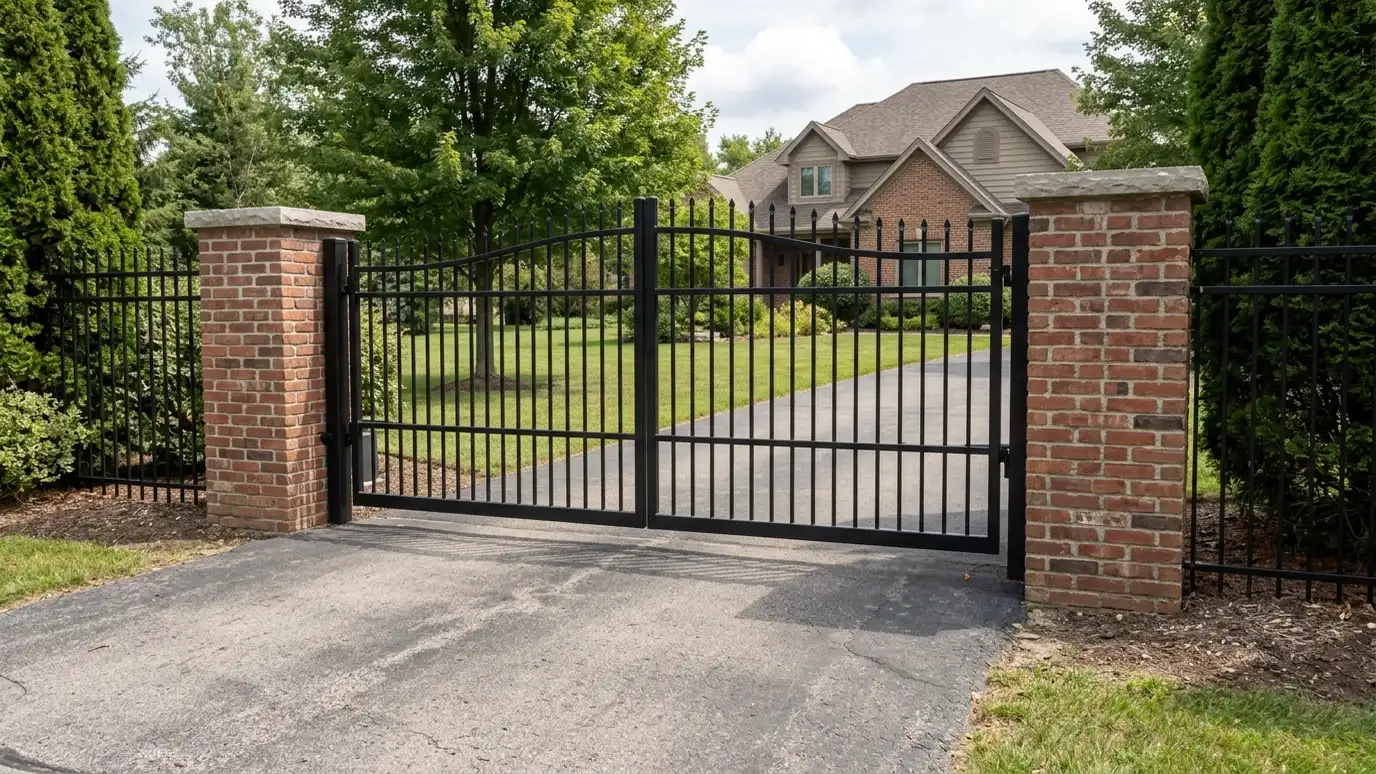
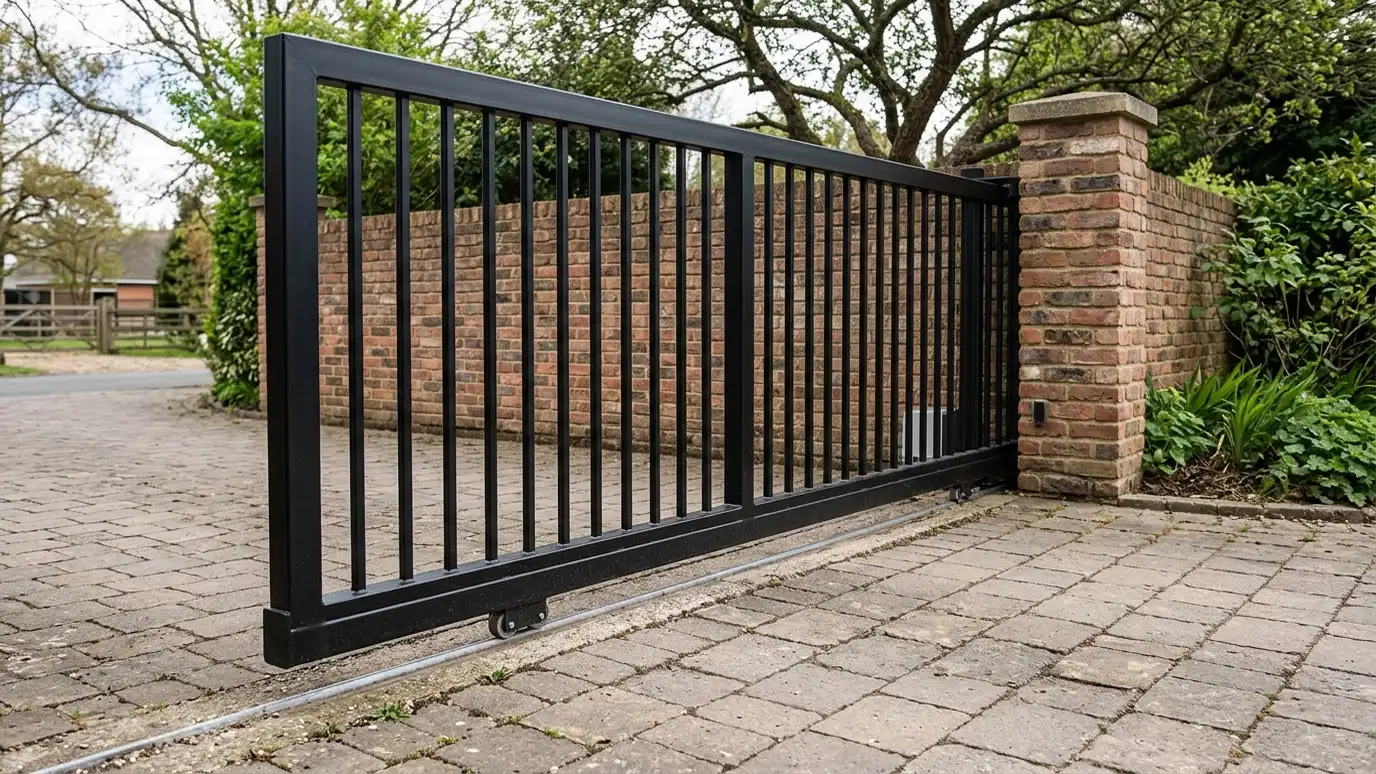
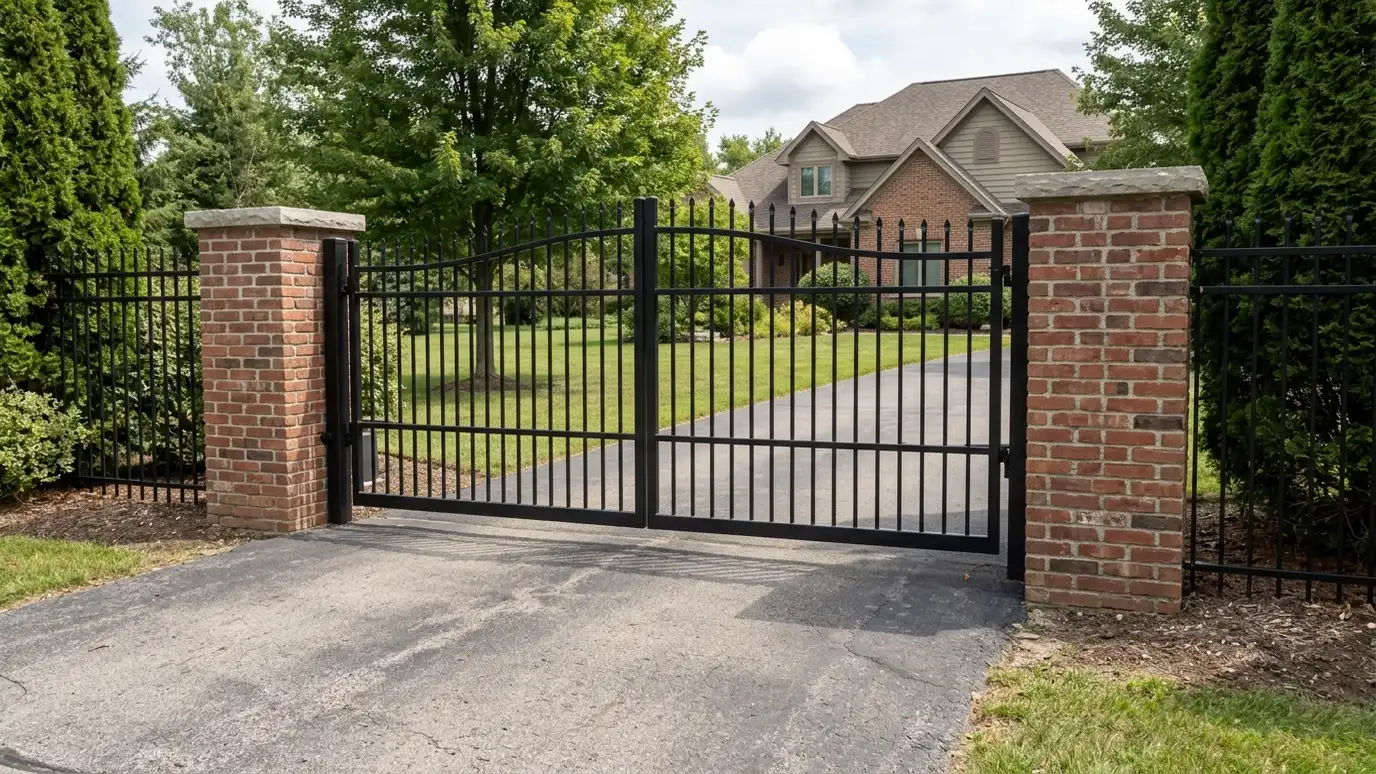
Swing gates are classic and need room to open. Sliding gates roll beside the opening and suit tight entries and slopes. Cantilever gates have no ground track and suit rough ground.
Walk the drive and note width, slope, setbacks and what sits beside the opening.
The site usually decides the type.
Stand at the entrance and imagine your largest vehicle coming through. Think about trailers, deliveries and emergency access. A few extra feet of width are a small matter compared with a gate that is too narrow.
Plan the opening
Measure for your widest vehicle, trailers and turning path, and leave margin.
Think about where visitors and deliveries stop and how a gate affects traffic on the road.
A gate that is too narrow is a daily annoyance.
Check what sits beside and behind the opening. Trees, utility boxes, fences and slopes affect which type of gate fits. We measure these during the estimate and sketch options.
Posts and footings
Gates are heavy and pull on posts every day. Oversized posts, deep footings and sometimes masonry piers carry the load.
A good gate hangs on posts that do not move.
We plan the posts before the gate.
Ask what size posts and footings are planned. A gate is only as strong as its support, and a few extra inches of concrete can make a gate last decades longer.
Power and conduit
If you want an opener, plan power early. Conduit, wiring and a power source are easy to install before concrete and hard to add after.
Solar and battery options suit gates far from the house.
Coordinate with your electrician.
Talk with an electrician early. Conduit, power supply and a place for a control box are easy to plan now and hard to change later. We coordinate with your electrician so everything lines up.
Openers and access
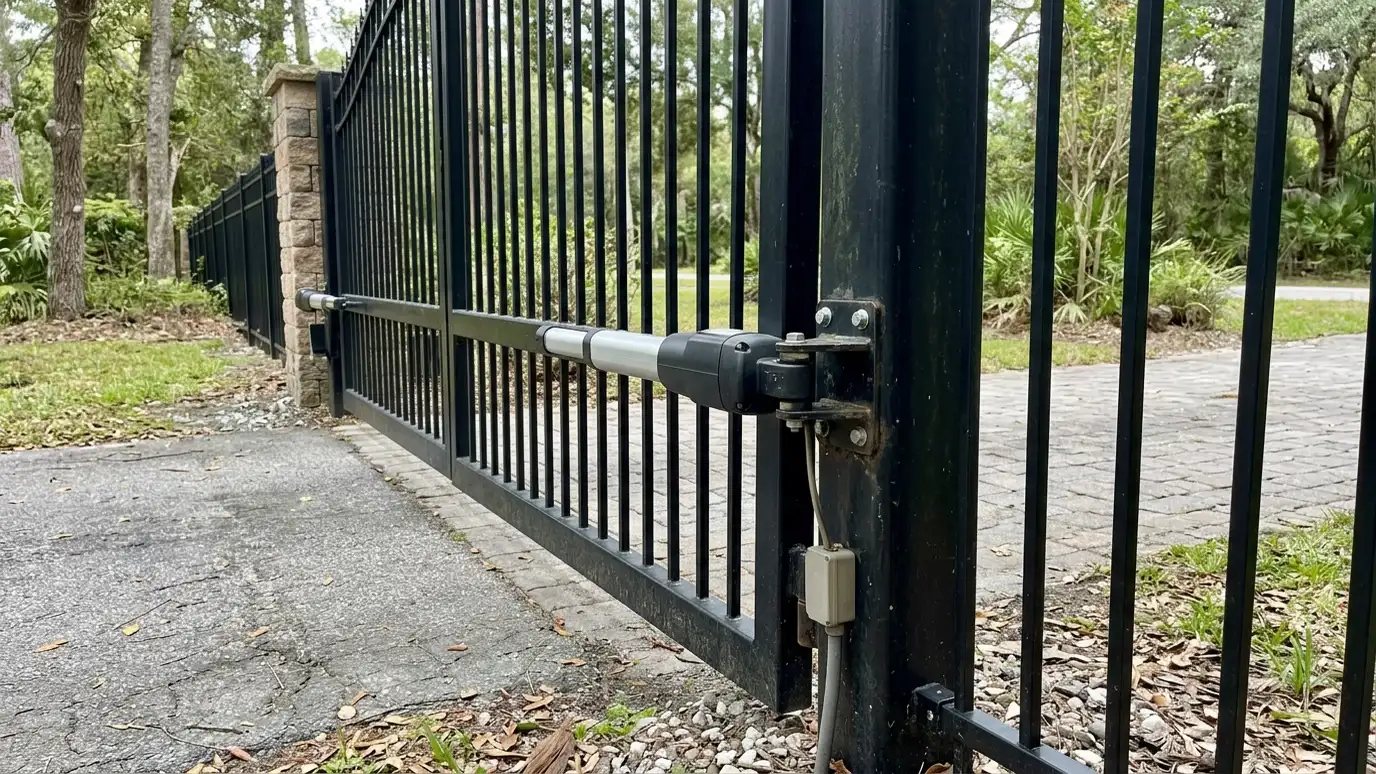
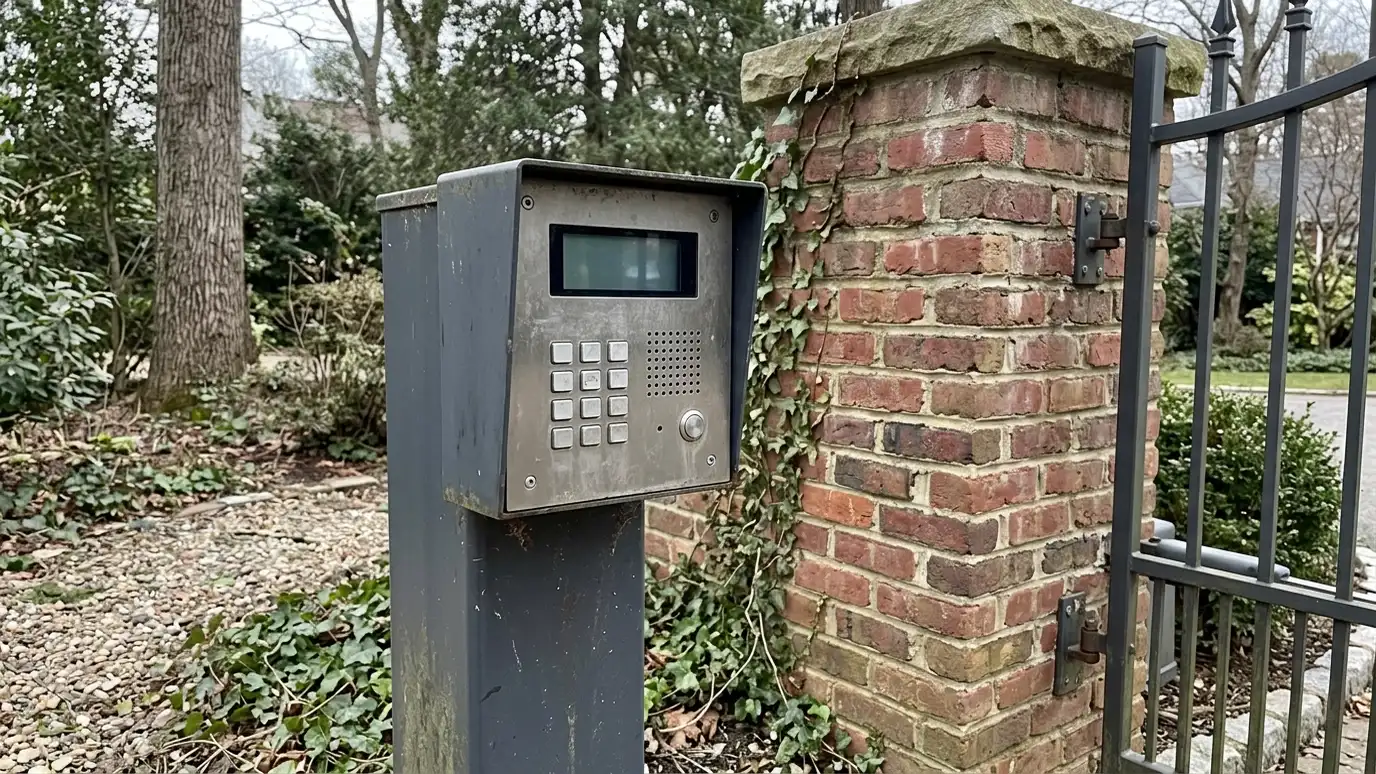
Operators come in swing and slide types and in sizes for different gate weights. Keypads, intercoms, remotes and apps add control.
Choose the system by how you and your guests use the gate.
We explain codes, schedules and backup options.
Decide who will use the gate and how. A family may want a remote, a keypad and a phone app. A farm may want a simple opener and a manual release. Choose the controls that fit your routine.
Safety
Photo eyes, safety edges and a manual release help protect people, pets and vehicles.
Test sensors regularly and keep children away from moving gates.
Learn how to release the gate if power fails.
Walk through a safety check with the installer. Test the sensors, try the manual release and learn what to do if the gate does not respond. Keep those instructions where family members can find them.
Choose the gate type by site, build the posts for the weight and plan power and safety before the concrete goes in.