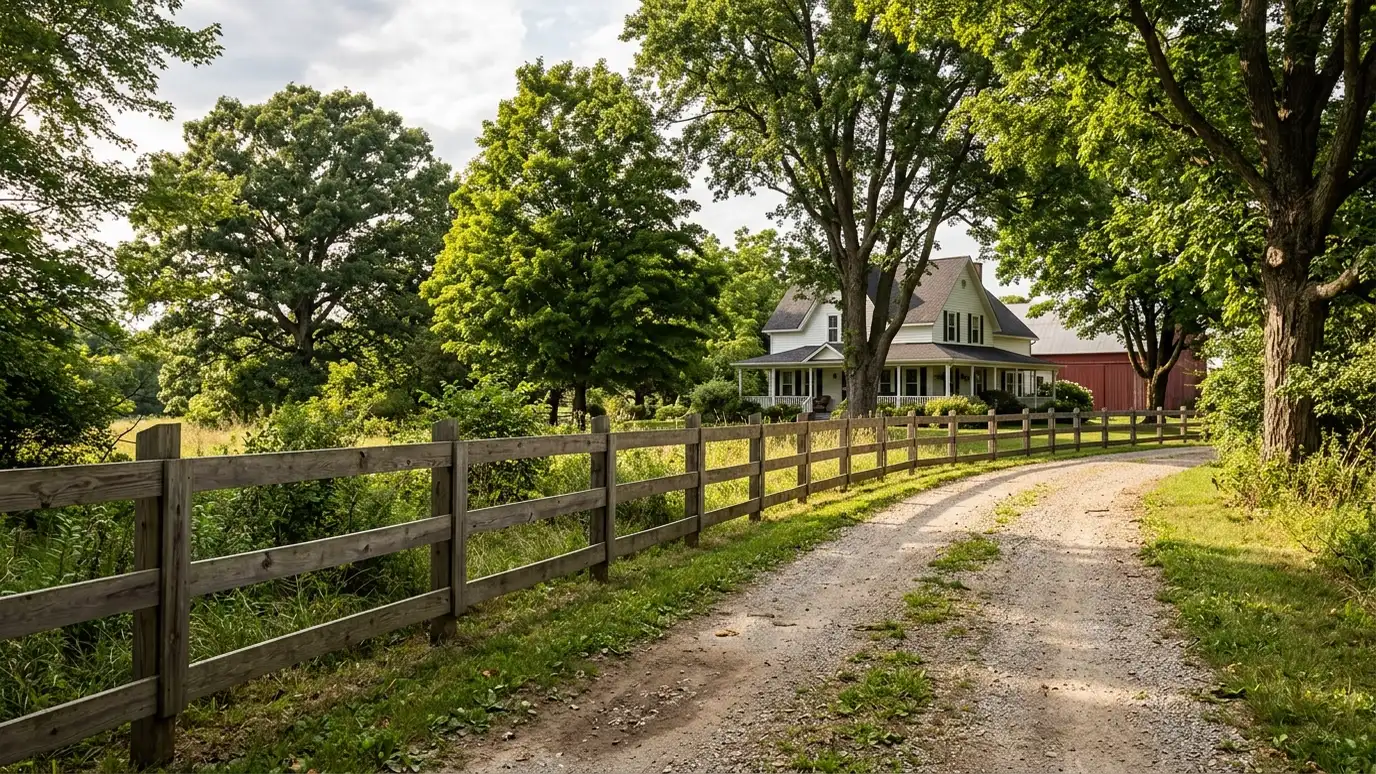
Ranch-style post and rail fences with two, three or four horizontal rails for horse farms, large lots, driveways and long boundary lines.
A ranch or post and rail fence uses sawn posts and horizontal rails to create a clean, open boundary. The look is traditional farm country, and the spacing is easy to see over, which suits horse properties, long driveways and large residential lots. Owners across Middle Tennessee choose two-rail fences for appearance and three or four rails for added visibility and containment.
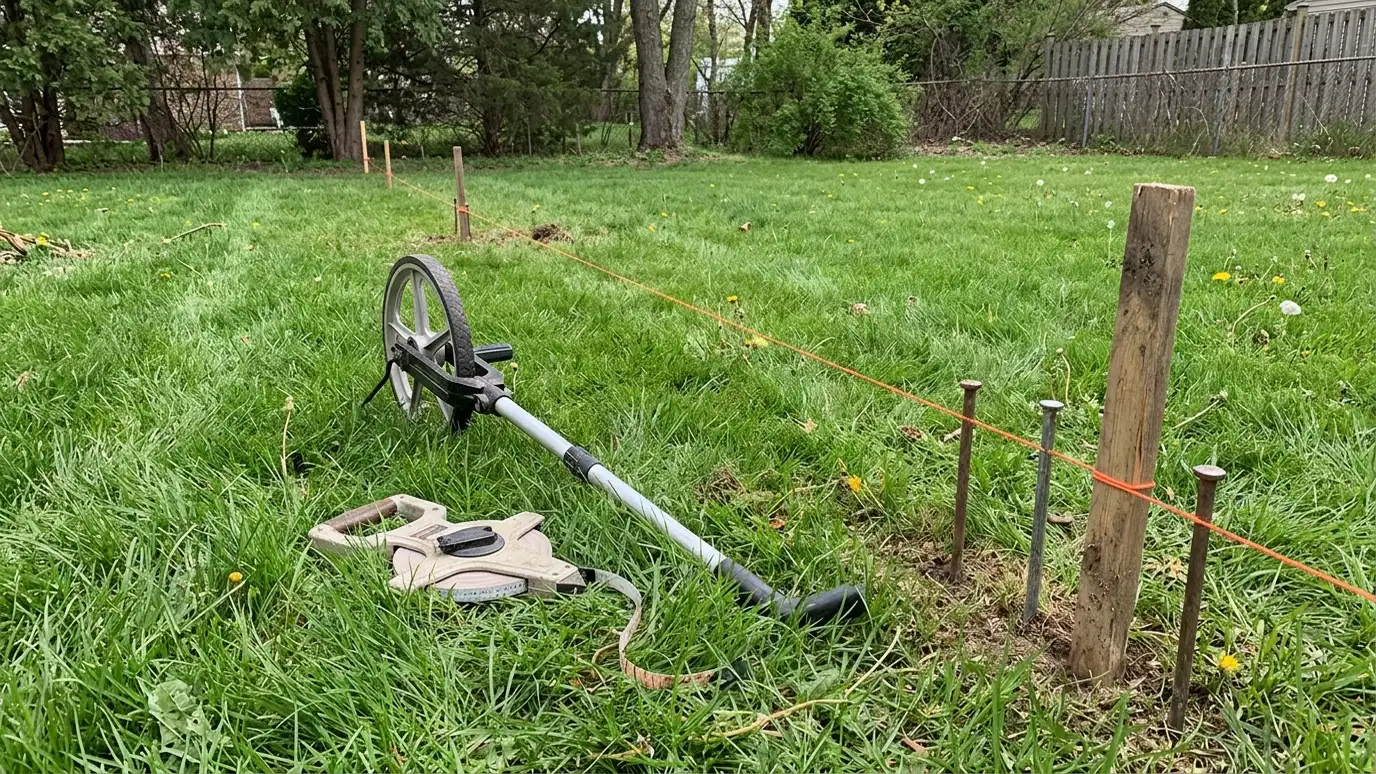
We start with a Free Estimate and walk the boundary, talking about animals, gates, slope and drainage. Posts are set deep with space chosen for the rail length, rails are fastened with strong screws or nails and corners and gate posts are braced for the load. We talk about adding no-climb wire on the inside for dogs, goats or small livestock, and we explain how wood species and finish change maintenance. Ranch fences are long, so small mistakes show. We string a line for the posts, keep rail spacing consistent and check the top line against the horizon as we go. If you plan to add wire later for pets or small animals, we space the posts to make that easy, which saves rework and keeps the finished fence tidy from the road.
Two rails look open and tidy, while three or four rails improve visibility and containment, and we explain the trade-offs.
Corners, ends and gate posts take the load, so we set and brace them deeper and stronger.
Wire mesh on the inside keeps dogs and small animals from slipping between rails.
Staining, painting or leaving the wood natural changes the upkeep, and we help you plan it.
Corners, gates and drainage located.
Wood and rail count agreed.
Deep for corners and gates.
Straight and secure.
No-climb mesh on the inside.
Gates, lines and cleanup checked.
Every topic has its own page with what to expect and how we approach it.
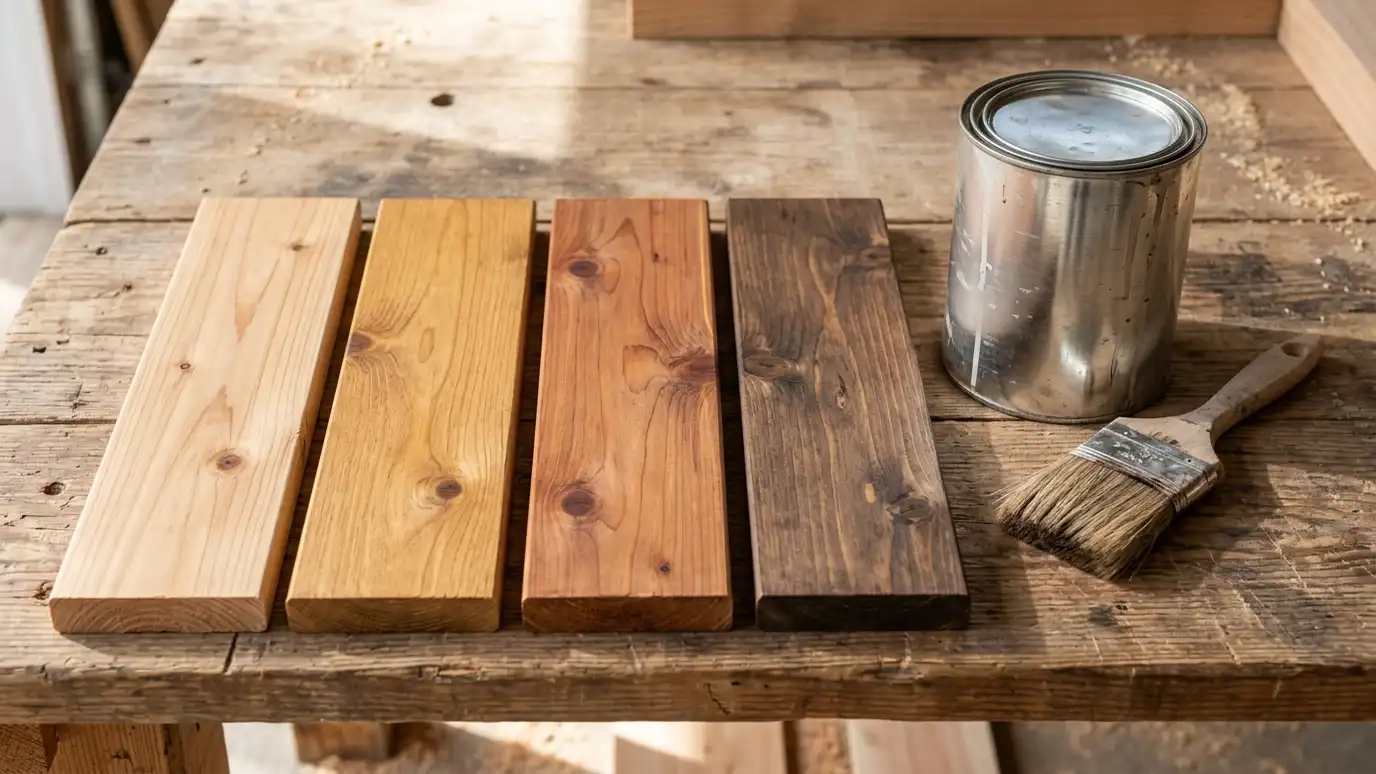 ResourceDefyA maker of exterior wood stains and cleaners for decks, fences and other outdoor wood.Learn more ResourceArmstrong-ClarkA maker of penetrating oil-based and semi-transparent wood stains for decks, fences and siding.Learn more
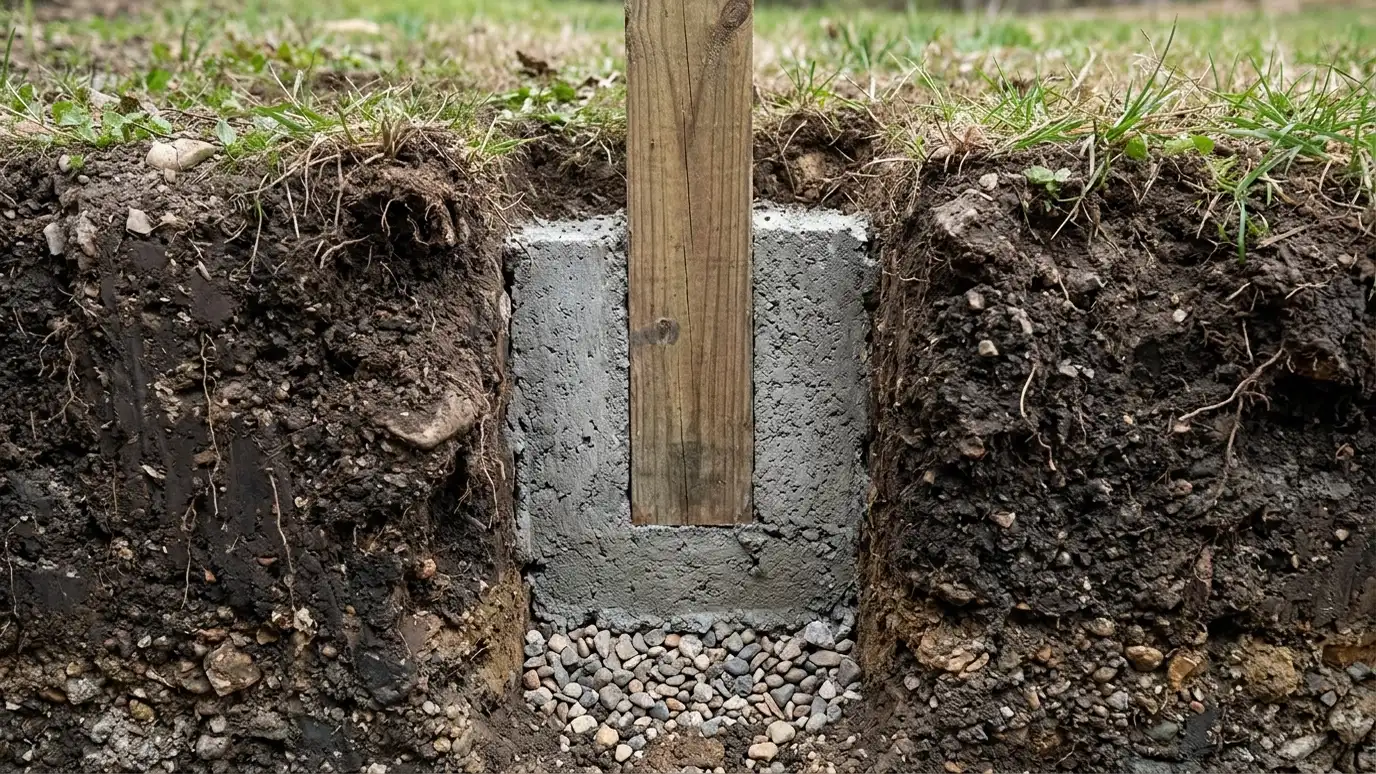 Comparison guidePosts, Footings and DepthWhy post depth, hole width, concrete, gravel and bracing decide how long a fence stands straight.Learn more
Answer a few questions about privacy, pets, upkeep and style to see which fence materials usually fit.
You tell us what you want the fence to do, and we set a visit that fits your day.
We walk the line, measure runs and gates, note slope, trees and utilities and talk through your goals.
You receive a plain written scope with style, height, materials, gates and price before anything begins.
We stake the line, request utility marking where needed and set posts plumb and aligned.
We frame the fence, install pickets or panels and hang gates with strong hinges and latches.
We clean up, walk the fence with you, show how gates work and explain care.
Two is common for looks, and three or four give better visibility and containment for horses and livestock.
A properly built, tall enough fence with good visibility can, and we explain options for horses.
Only if you need to contain small animals or pets. We add no-climb wire when needed.
Yes, depending on availability and budget. We compare them with treated pine.
Yes. We build farm and driveway gates that match the fence.
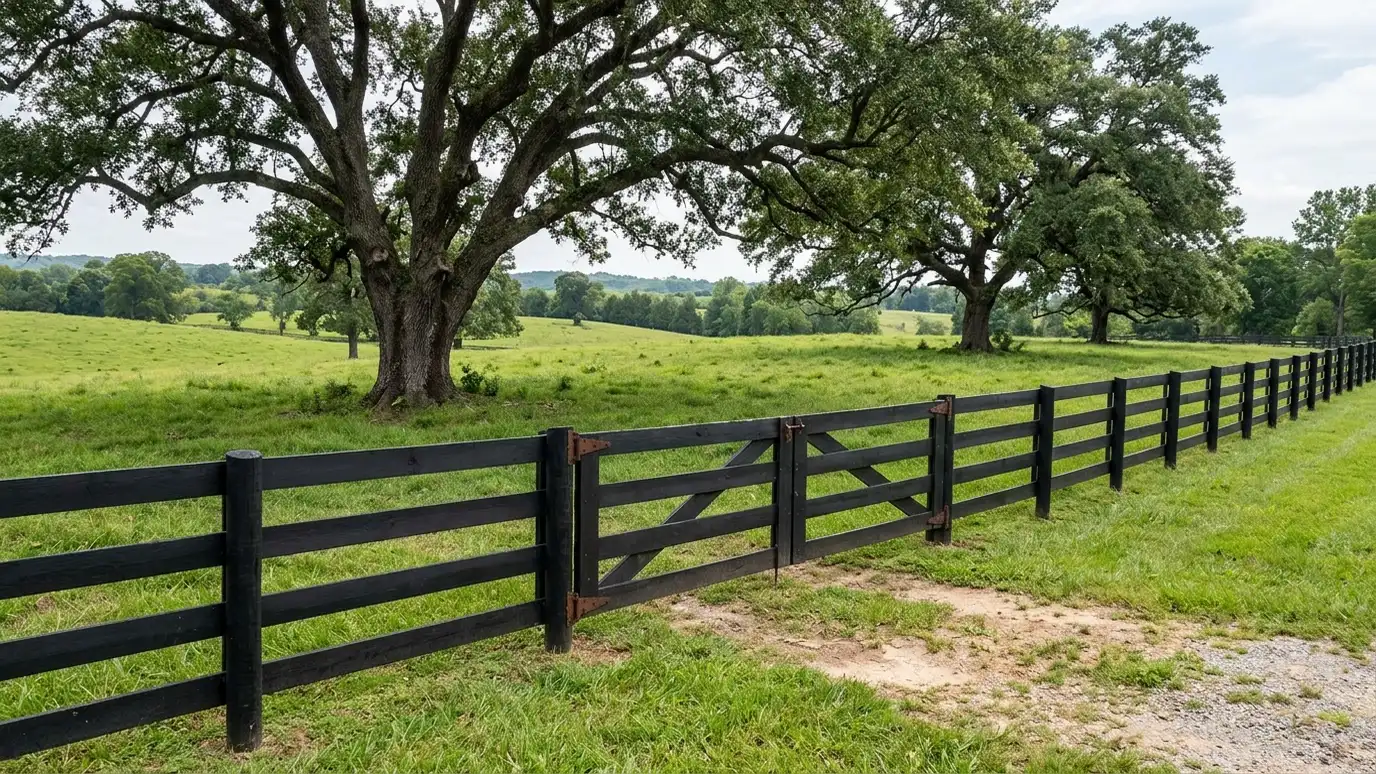 Horse and Pasture FencesSafe, visible horse fences in wood, vinyl and coated rail, with smooth surfaces, strong gates and tight lines…Explore
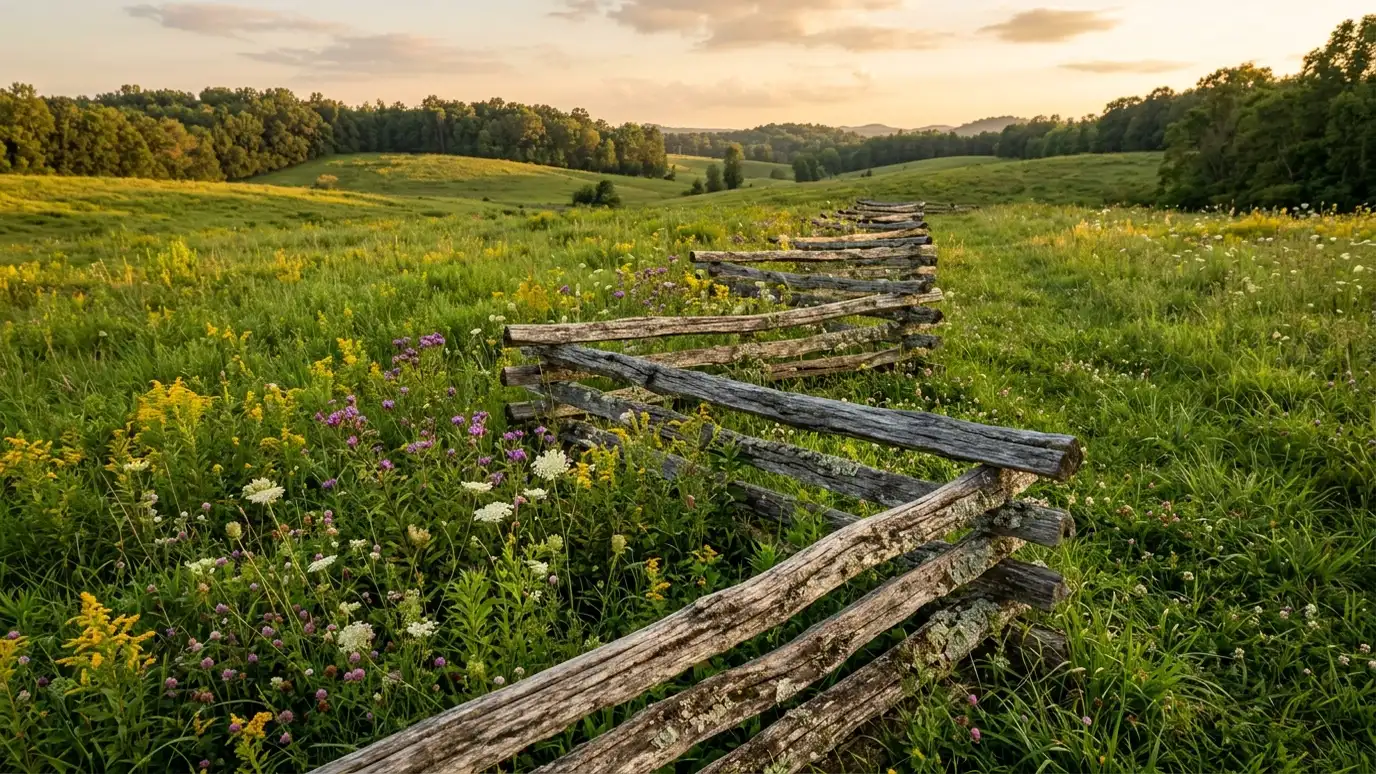 Split Rail FencesRustic split rail fences with posts and stacked rails that mark boundaries, frame driveways and suit rural properties…Explore
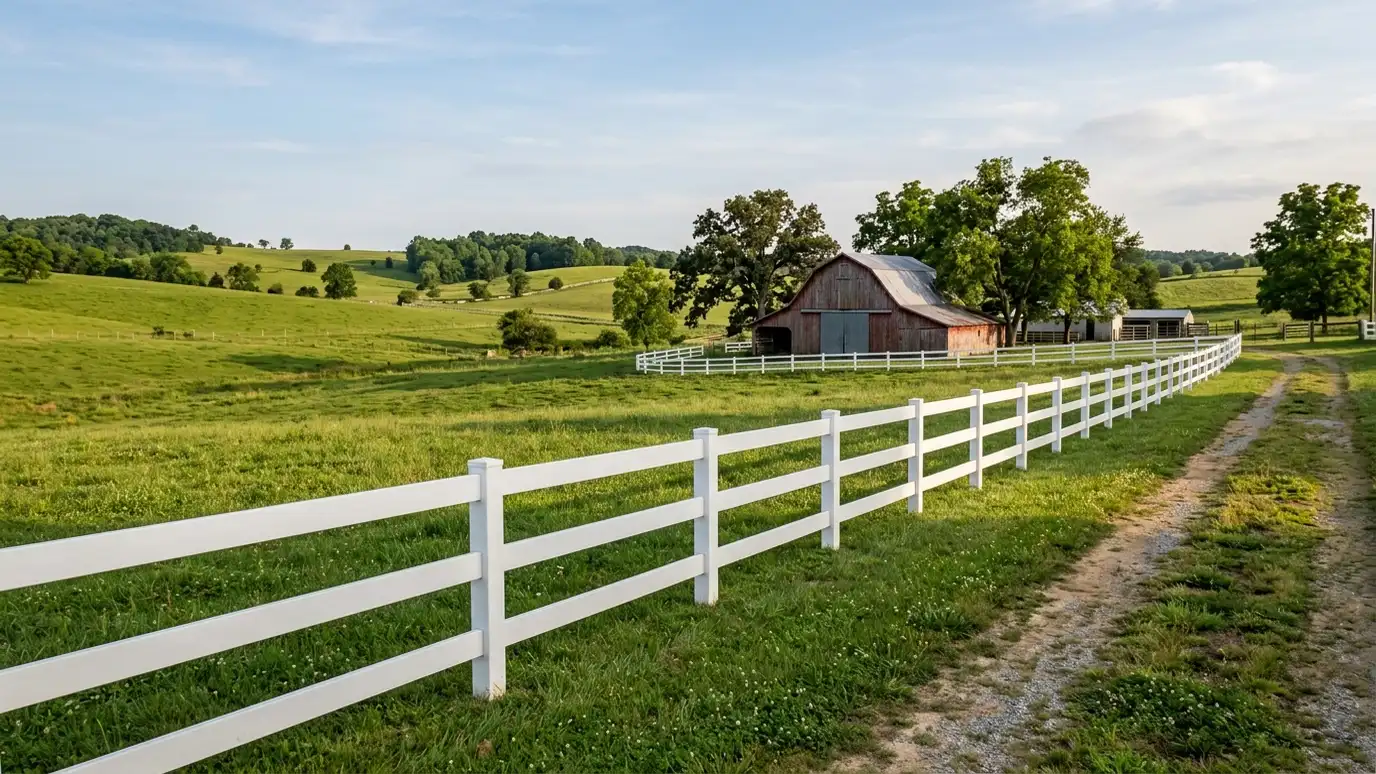 Vinyl Ranch and Rail FencesWhite vinyl ranch and rail fences with two, three or four rails for horse farms, driveways and large…Explore
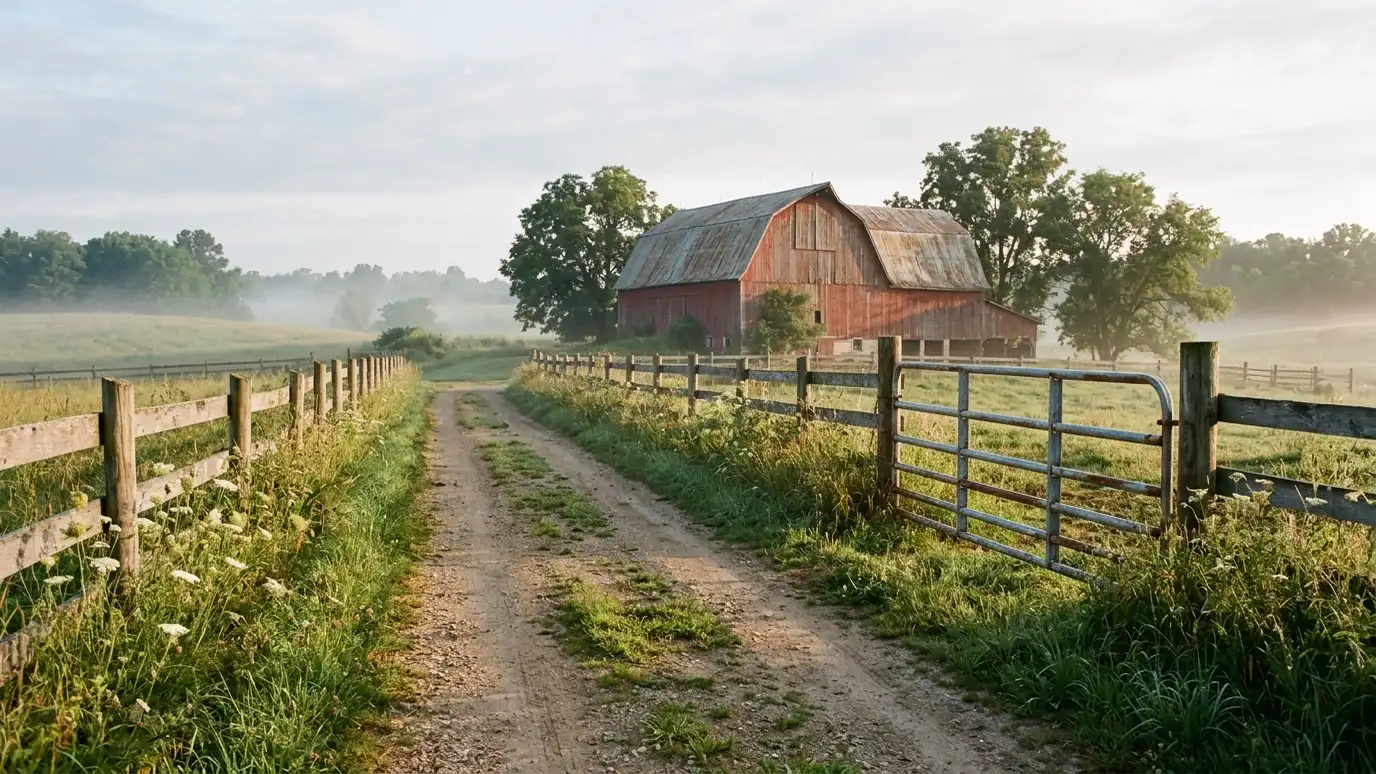 Farm and Barn FencingFencing for farm lanes, barns, paddocks, gardens and hay storage, with pipe gates, board and wire fencing and…Explore
Tell us about your property and we will call you back to set up a visit.
Or call (615) 357-7797 to talk now.