Pick the job first
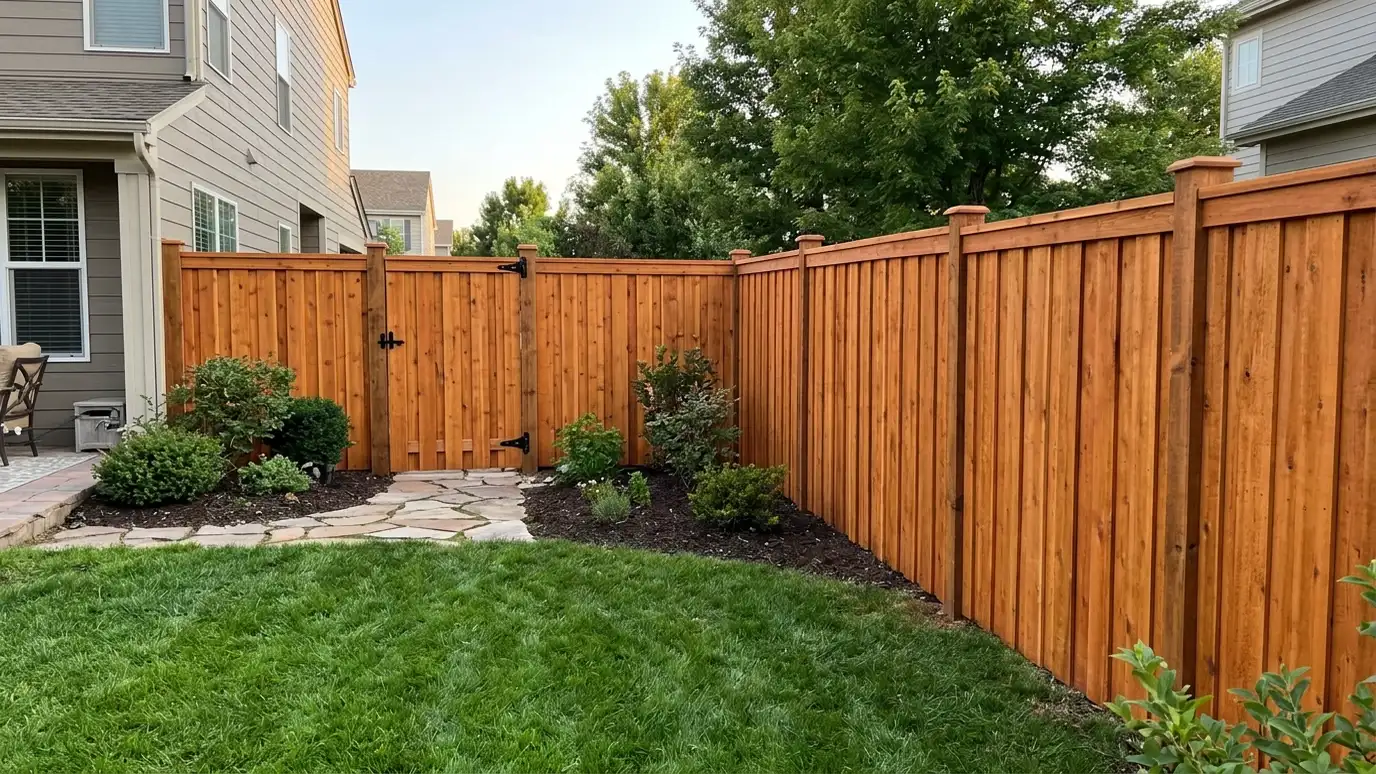
Decide what the fence must do: privacy, pet control, a boundary, a garden border or a view. The answer narrows the styles quickly.
A solid privacy fence is not the best choice everywhere, and an open picket fence is not always enough.
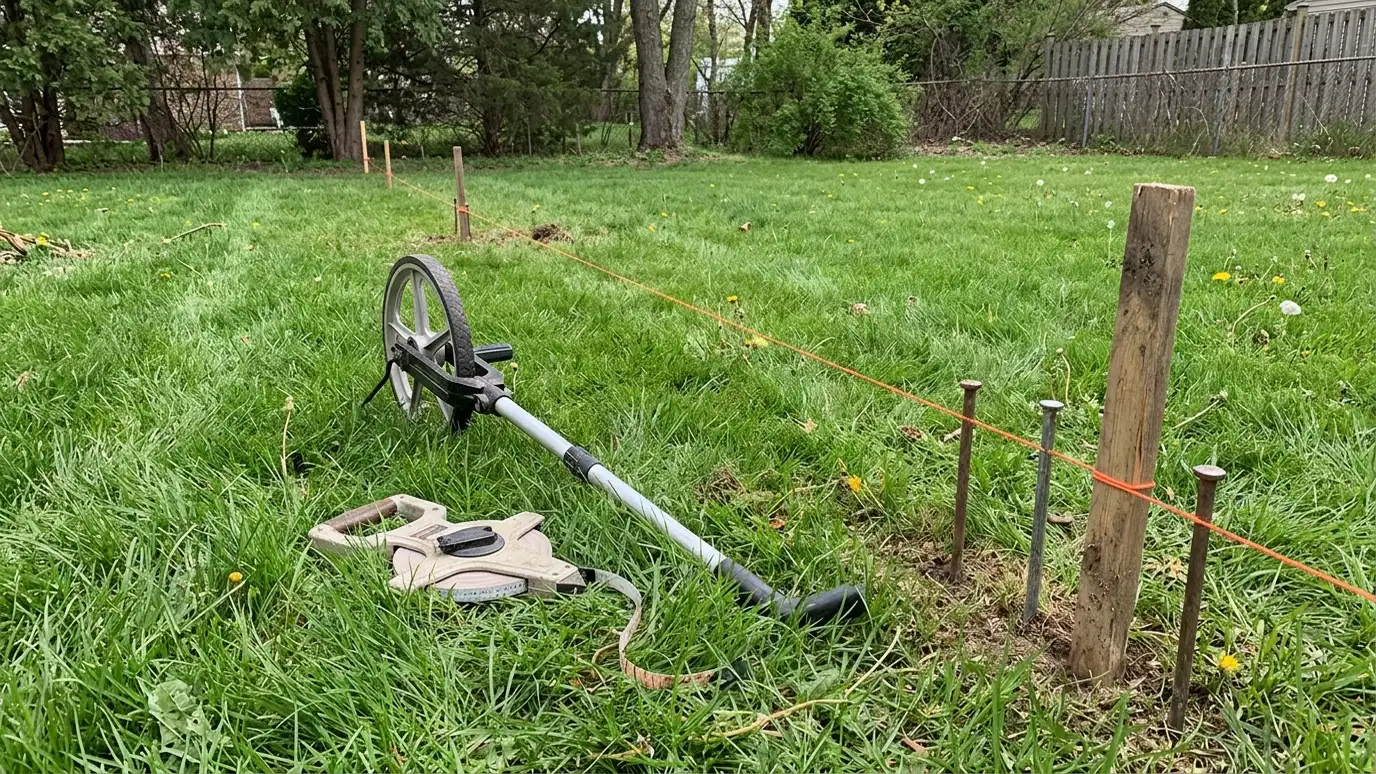
Walk the yard and note where privacy matters most.
Walk your yard at different times of day. Notice when the sun hits, where the shade is and how water moves after rain. Those facts affect how wood fences weather, how finishes wear and which side needs the most attention.
Cedar or treated pine
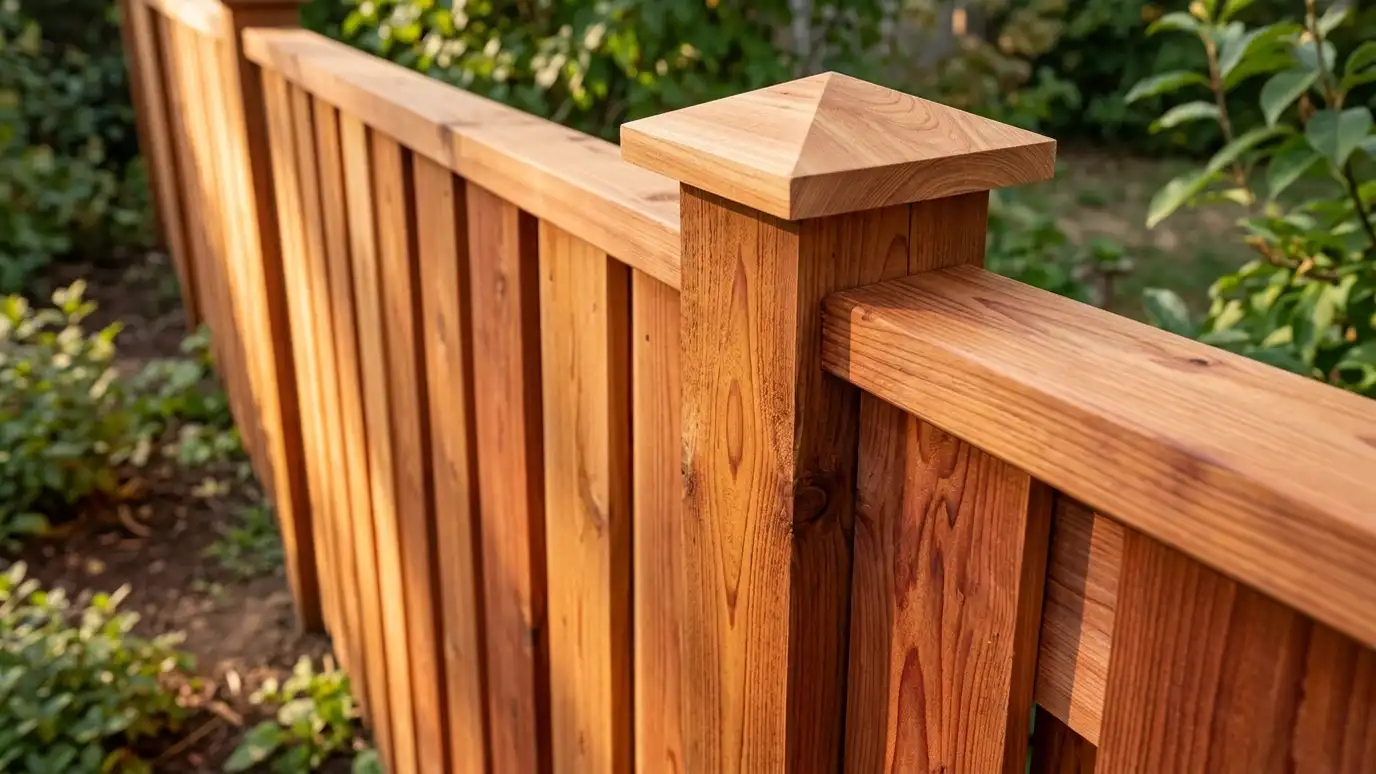
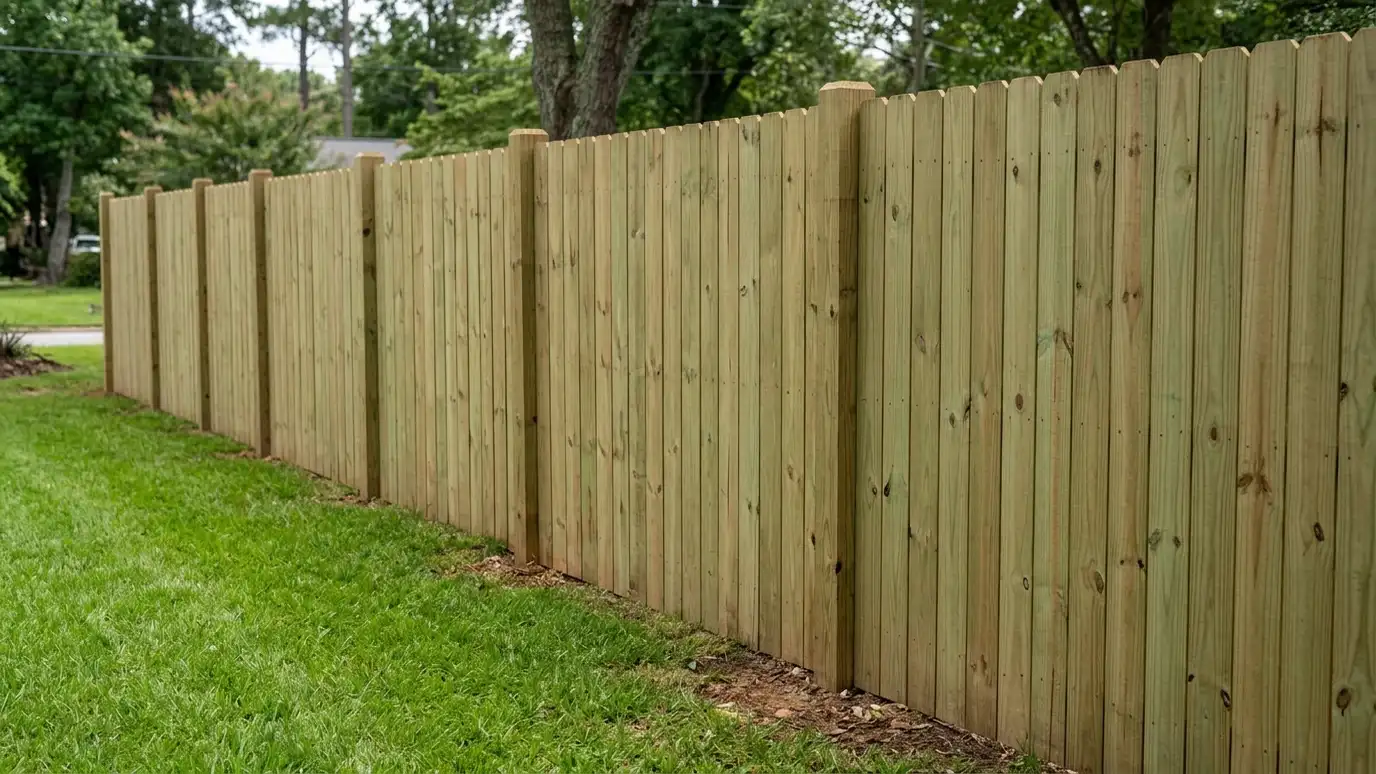
Cedar is naturally rot resistant, stable and warm in color. Treated pine is sturdy and economical and does well with a good finish.
A popular plan is treated posts with cedar pickets, which puts the strongest material in the ground and the nicest on display.
We show samples of each in real light.
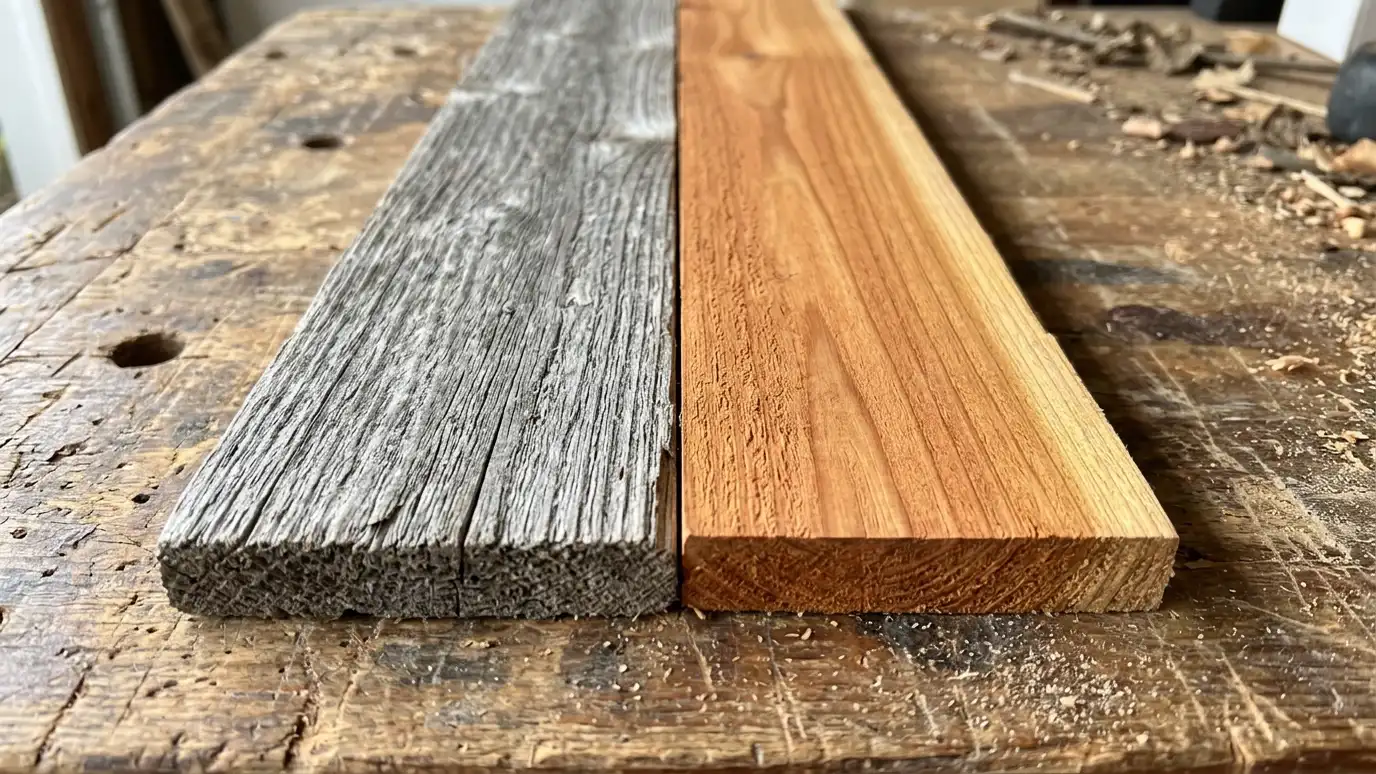
If you are on the fence about cedar, ask to see samples side by side with treated pine, wet and dry. Cedar looks different from pine as it ages, and seeing both helps you choose a look you will like for years.
Styles in brief
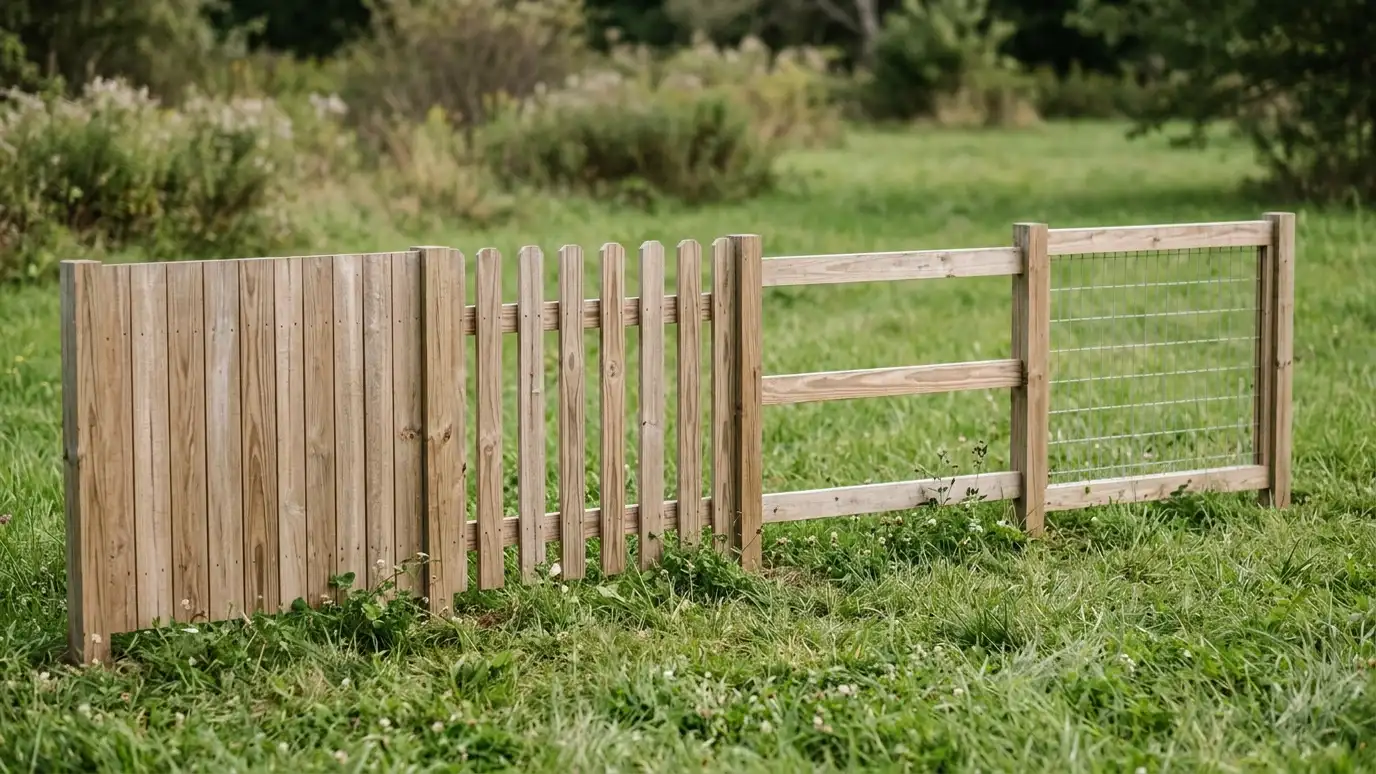
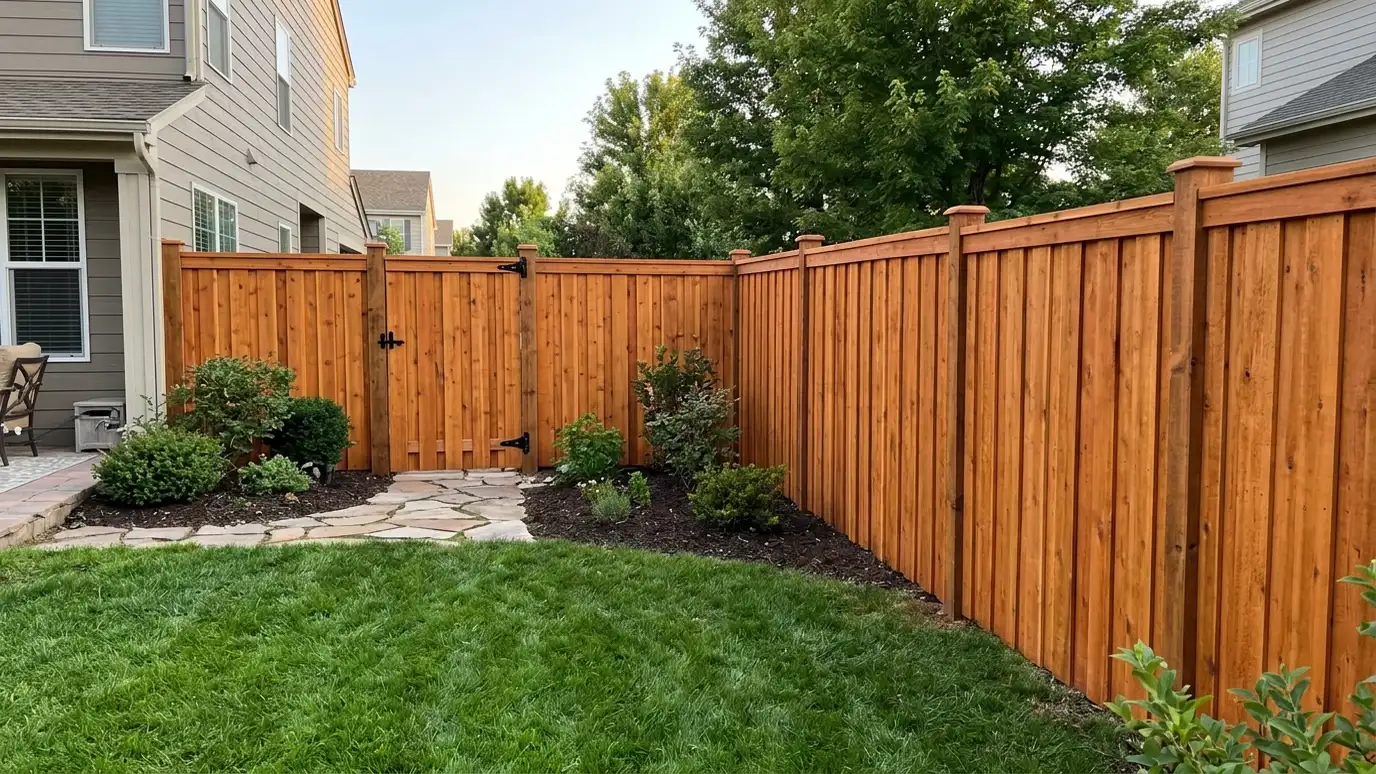
Solid privacy fences block views completely. Board-on-board stays private as wood shrinks. Shadowbox lets air through and looks finished on both sides.
Picket fences are open and charming. Split rail and ranch fences frame a view.
Horizontal slat fences bring a modern look.
Take a few photos of fences you like and note what you like: the top line, the cap, the color. Showing these to your fence company helps them match details, and it keeps the conversation focused on what you want.
Posts and rails
Posts decide how long the fence stands. Ground-contact lumber, proper depth and good drainage matter more than the pickets.
Three rails stabilize tall fences, and rails should be fastened with exterior-rated hardware.
Ask how posts and rails are built in any quote.
Ask about the number of rails, the spacing of posts and the fasteners. Small differences in these details add up to big differences in how a fence handles wind, weight and time. A good company explains them without being asked.
Finishing
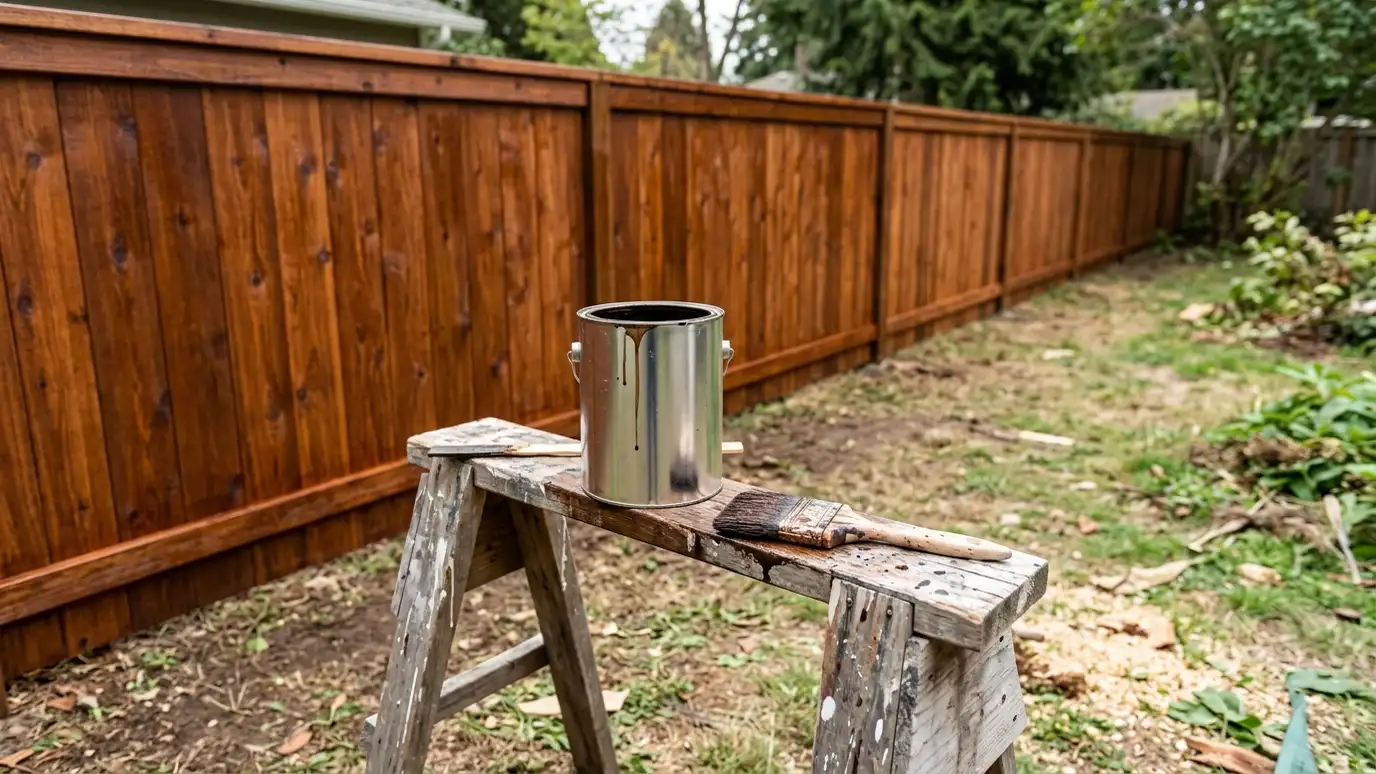
New wood needs a finish to weather evenly. Clear sealers, semi-transparent stains and solid stains give different results.
Treated lumber often needs time to dry before it takes a finish.
Plan finishing as part of the project, not an afterthought.
Think about finishing before the fence goes up. If you want a stain color, choose it early, and plan the timing so the wood is dry when the finish goes on. It is easier to plan than to fix later.
Care over the years
Keep soil, mulch and sprinklers away from the boards. Trim plants and clear leaves.
Walk the fence each year, tighten fasteners and replace damaged boards early.
Re-coat on a schedule that suits your finish.
Make a habit of looking at the fence when you mow. Notice loose boards, plants leaning on the wood and soil piling up at the base. Small habits catch small problems early.
Match the style to the job, put the best wood where it counts, build good posts and finish the fence on time.