How cedar and pressure-treated pine fences differ in look, stability, rot resistance, finishing, cost and care.
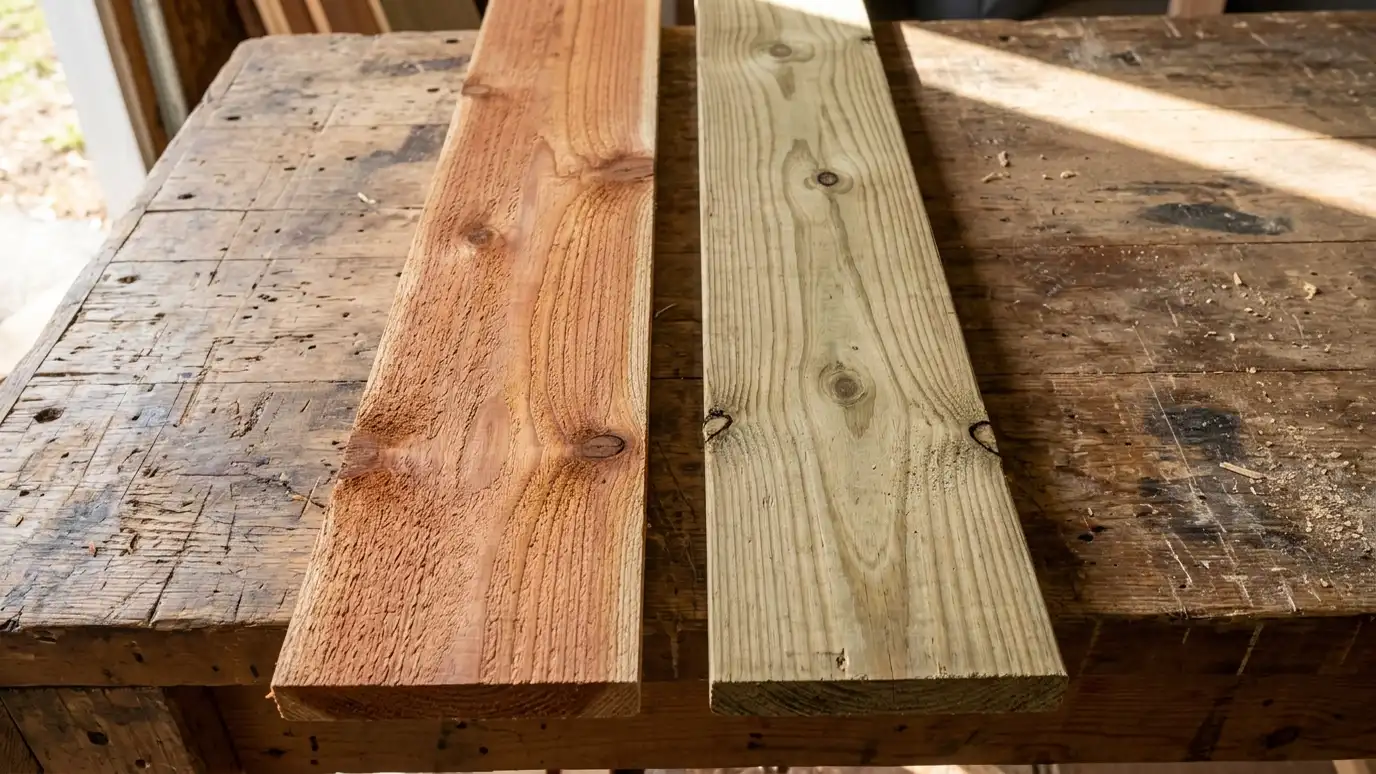
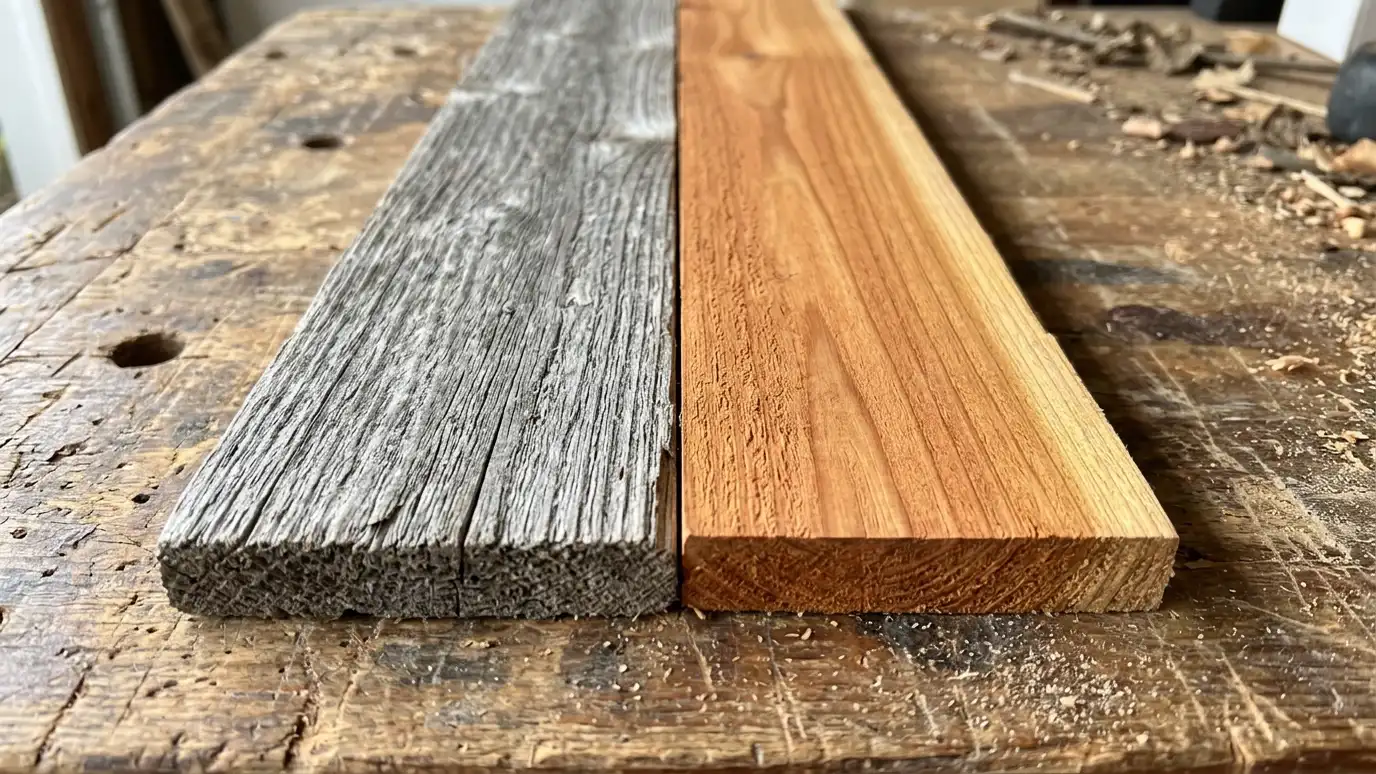
Cedar and pressure-treated pine are the two most common wood fence materials in Middle Tennessee. Cedar has natural oils that resist rot and insects, a rich red-brown color and good stability, so boards stay flatter and straighter. Treated pine is infused with preservatives, is widely available and is sturdy and economical, though it often arrives wet and can twist and shrink as it dries.
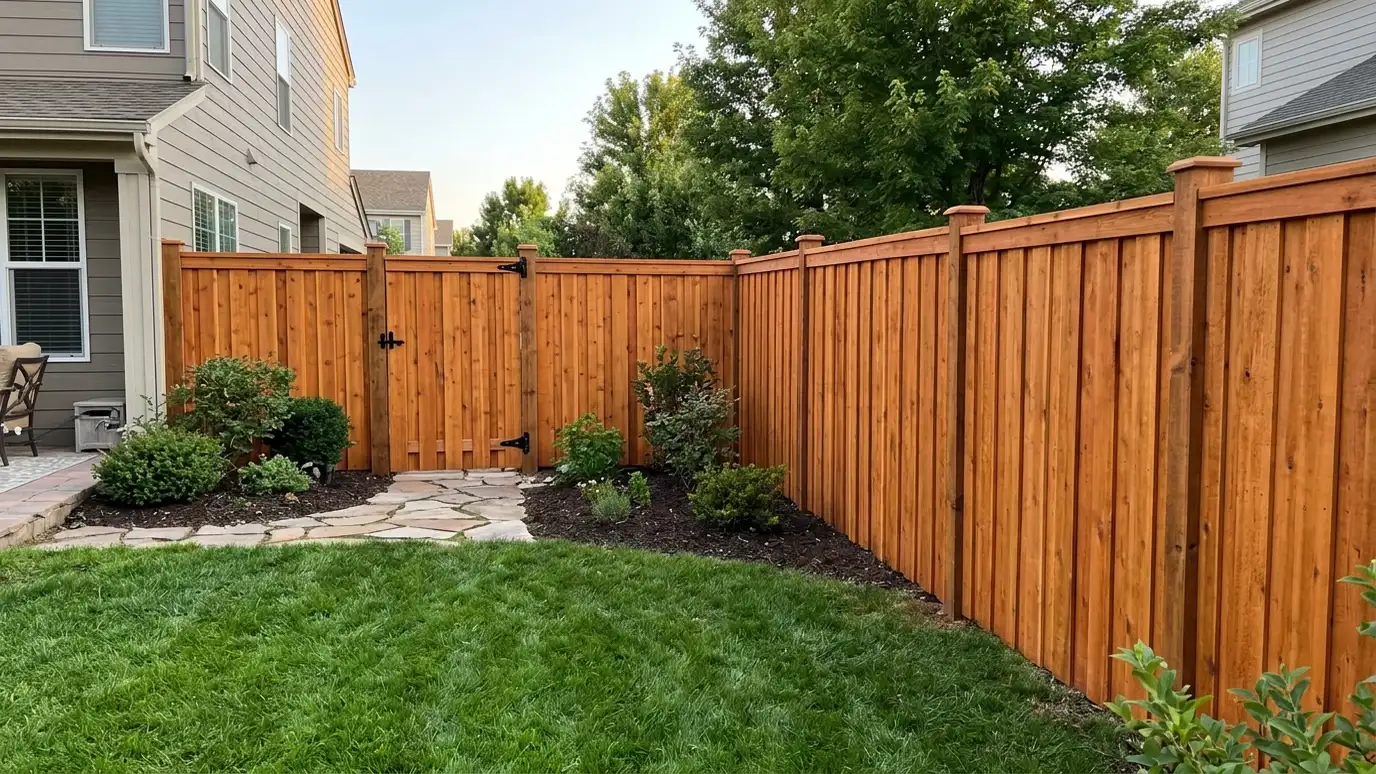
Both can make a handsome fence, and both do best with a good finish. Many owners in Nashville choose cedar for the look and stability and treated pine for budget or for posts that sit in soil. A common plan is treated posts with cedar pickets. We explain the differences honestly and help you decide based on your yard, budget and how you feel about maintenance.
Natural resistance, stable boards and a warm color.
Preservative-treated and sturdy for posts and pickets.
Treated boards often need time to dry before finishing.
Cedar resists naturally, and treated pine depends on its rating.
Both take stain, and cedar can also weather to silver.
Treated posts with cedar pickets is a popular combination.
Size a fence line, check a lifespan or ballpark a budget.
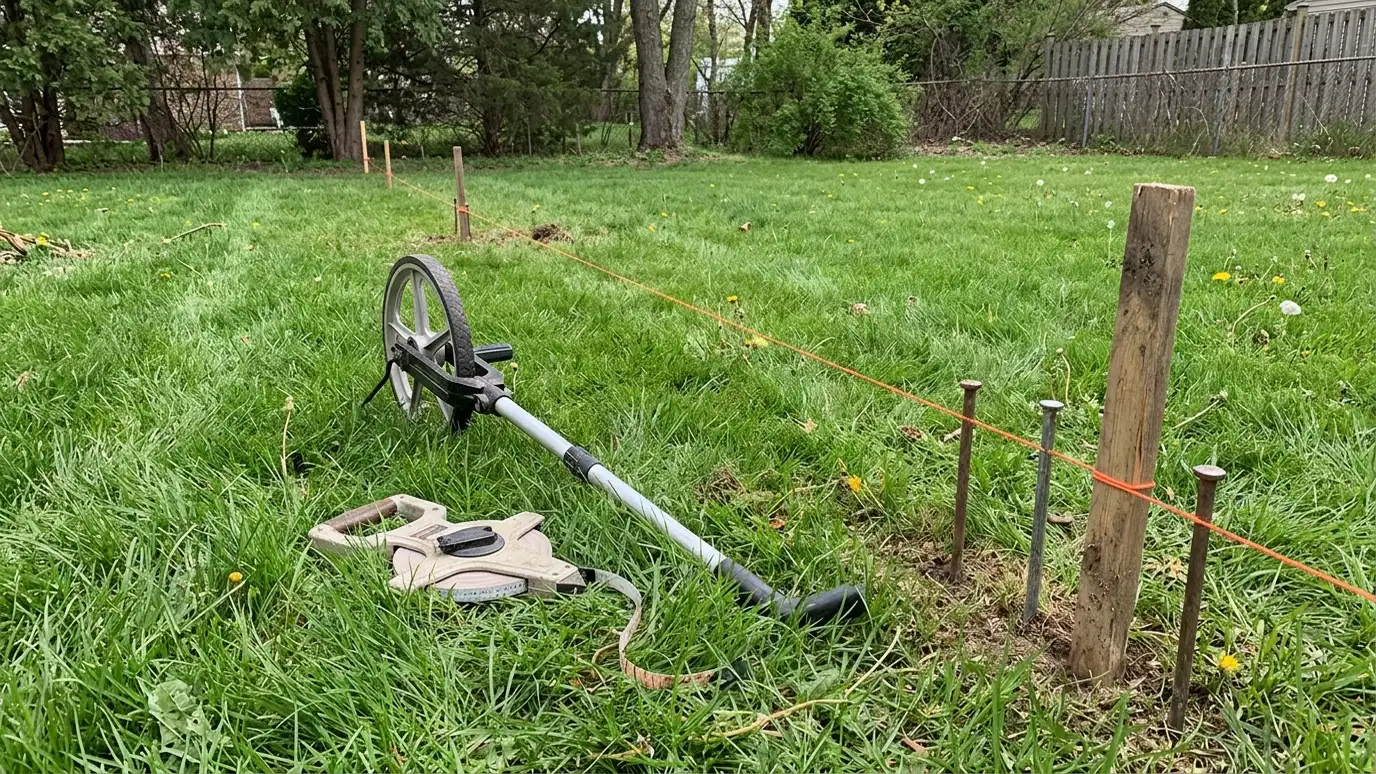 Fence Length and Materials CalculatorEnter your measurements to see linear feet, posts, rails, pickets, concrete and time to plan for yards, runs, pastures and gates.Try it
 How Long Will My Fence Last? CheckerPick a fence type, its age and the signs you see to learn where it is in its life and what to do next.Try it
 Fence Budget PlannerPick a fence, gate, repair or finishing job, set the length and add extras to see a ballpark planning range. Placeholder values only.Try it
Both can last many years with good installation, drainage and finishing. Posts in soil are the most important factor.
It performs better with one, and most owners stain it after it dries.
Yes, though many fence builders use treated posts for ground contact. We explain what suits your fence.
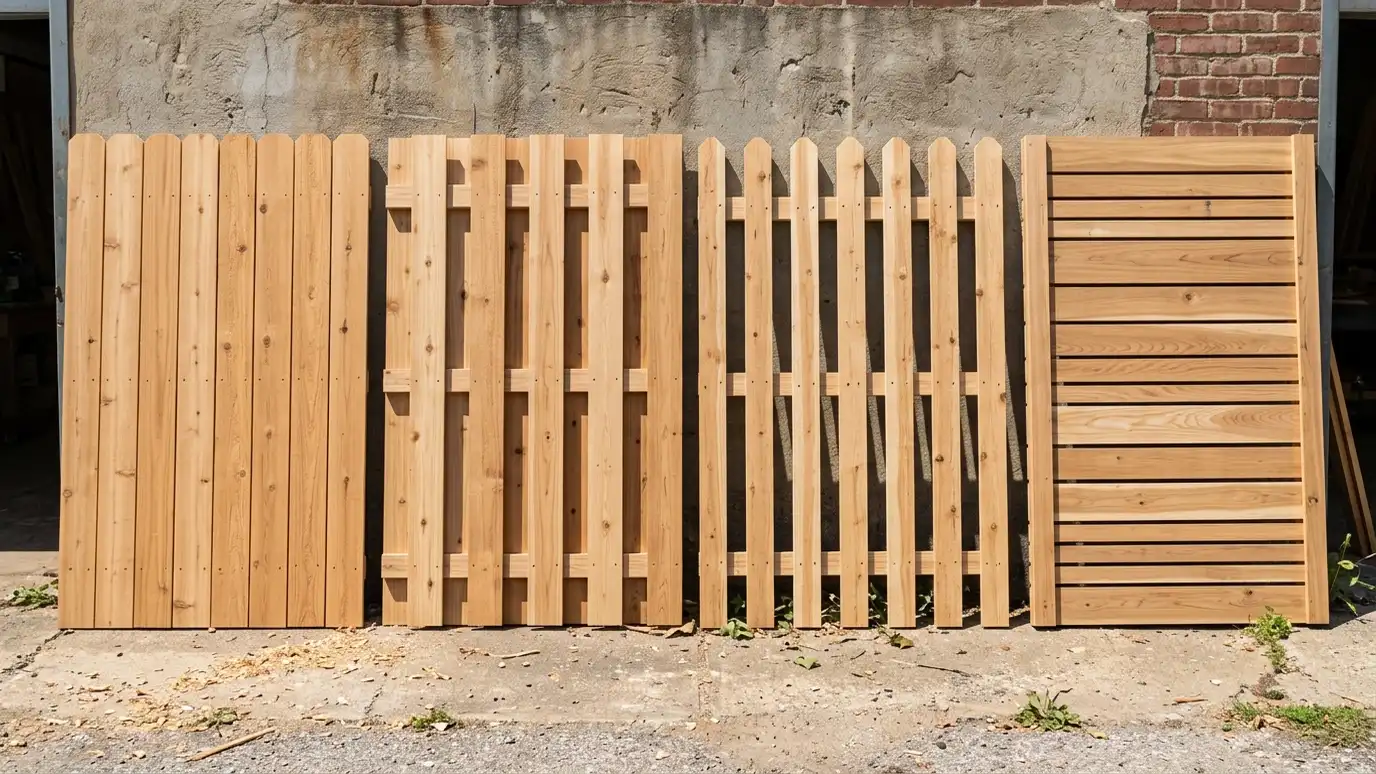 Comparison guideWood Fence TypesHow solid privacy, board-on-board, shadowbox, picket, split rail and horizontal slat wood fences differ in look, privacy, wind…Learn more
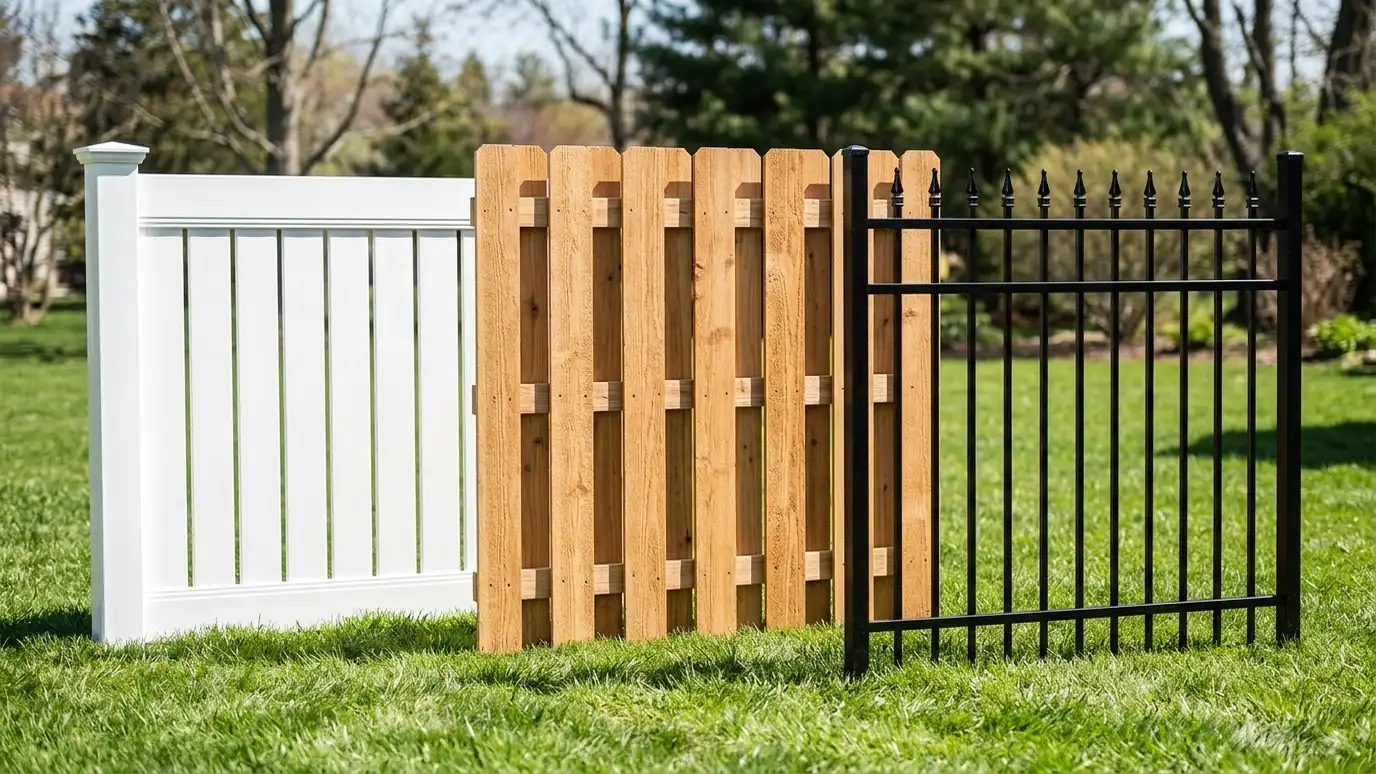 Comparison guideVinyl vs Wood vs AluminumHow vinyl, wood and aluminum fences compare in privacy, upkeep, strength, look and long-term value.Learn more
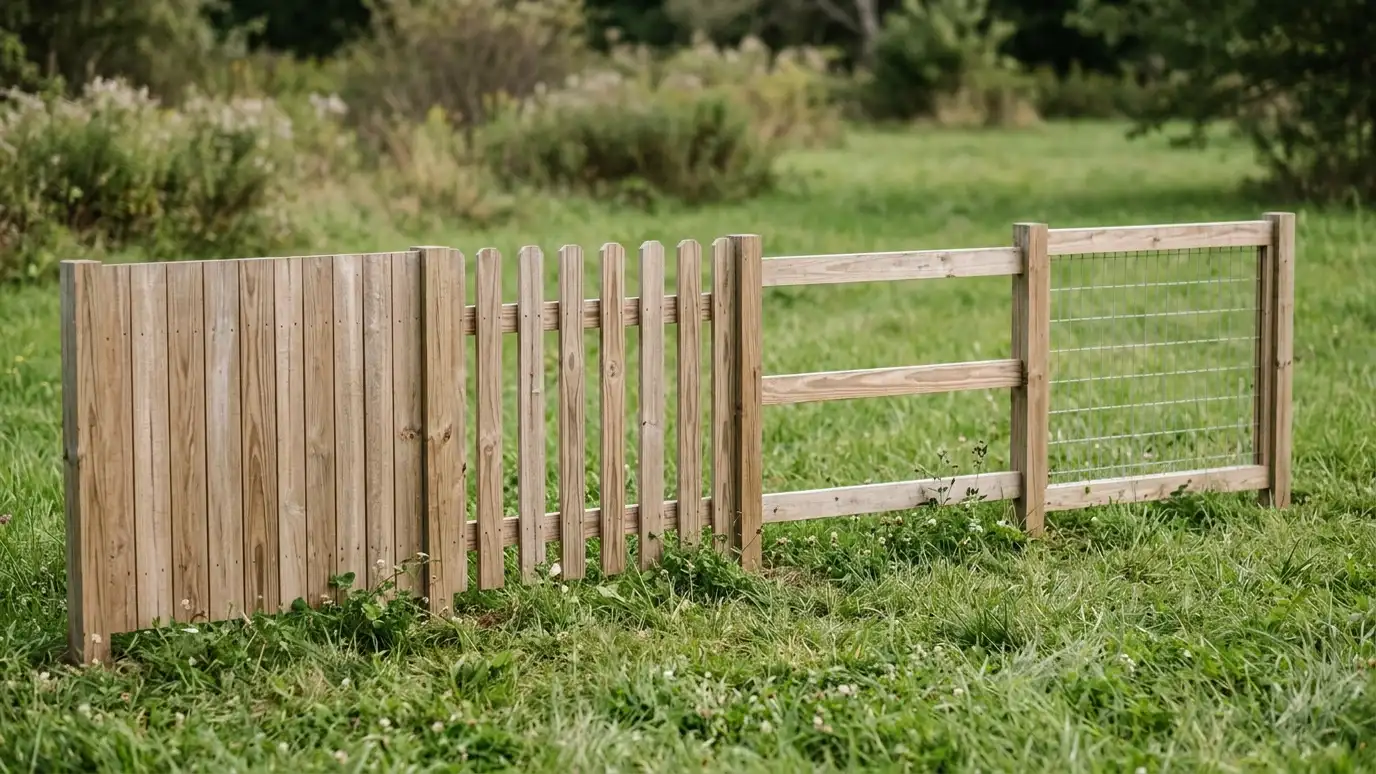 Comparison guideStyles and Privacy LevelsHow solid, semi-private, open and rail fences compare for privacy, airflow, light and containment.Learn more
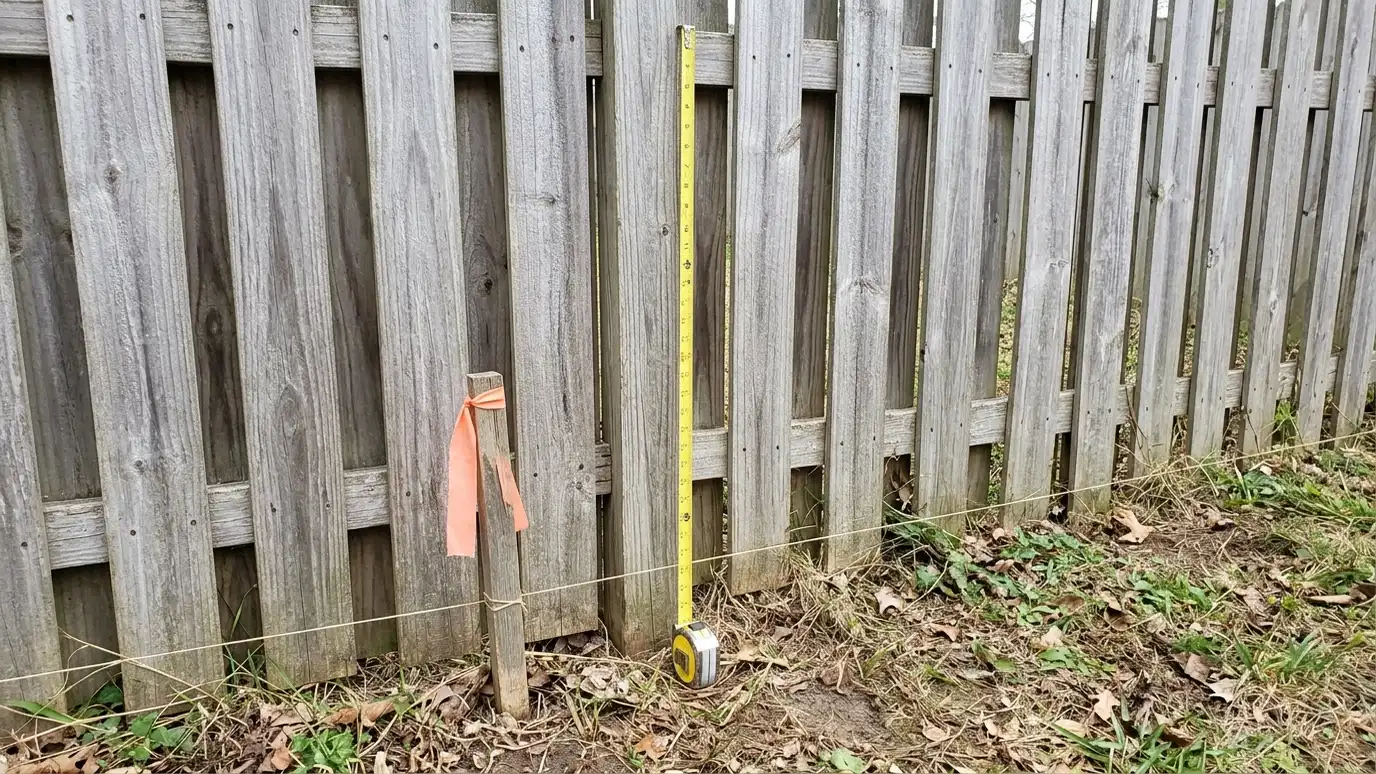 Comparison guideHeight and Property LinesHow fence height, setbacks and property lines affect where a fence can go and what to confirm with…Learn more
Call us and describe your property. We will walk the line, talk through options and give you a clear written estimate.