Spring walk-through
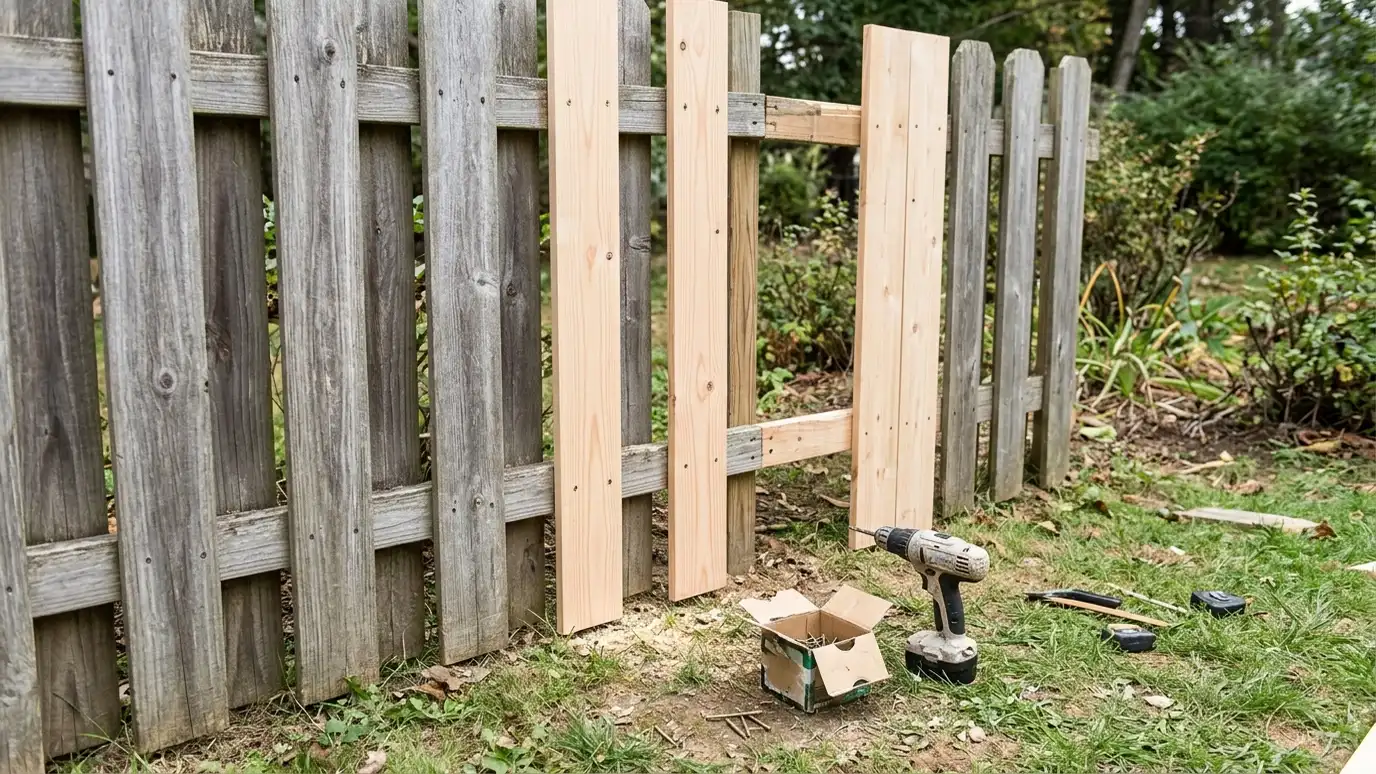
Walk the fence after winter. Look for loose boards, leaning posts, gate sag and damage from storms.
Tighten fasteners and replace missing parts.
Take photos to track changes.
Put a spring fence walk on your calendar and keep a short checklist: posts, rails, boards, gates, hardware and drainage. Taking photos each year builds a record you can compare.
Early summer cleaning
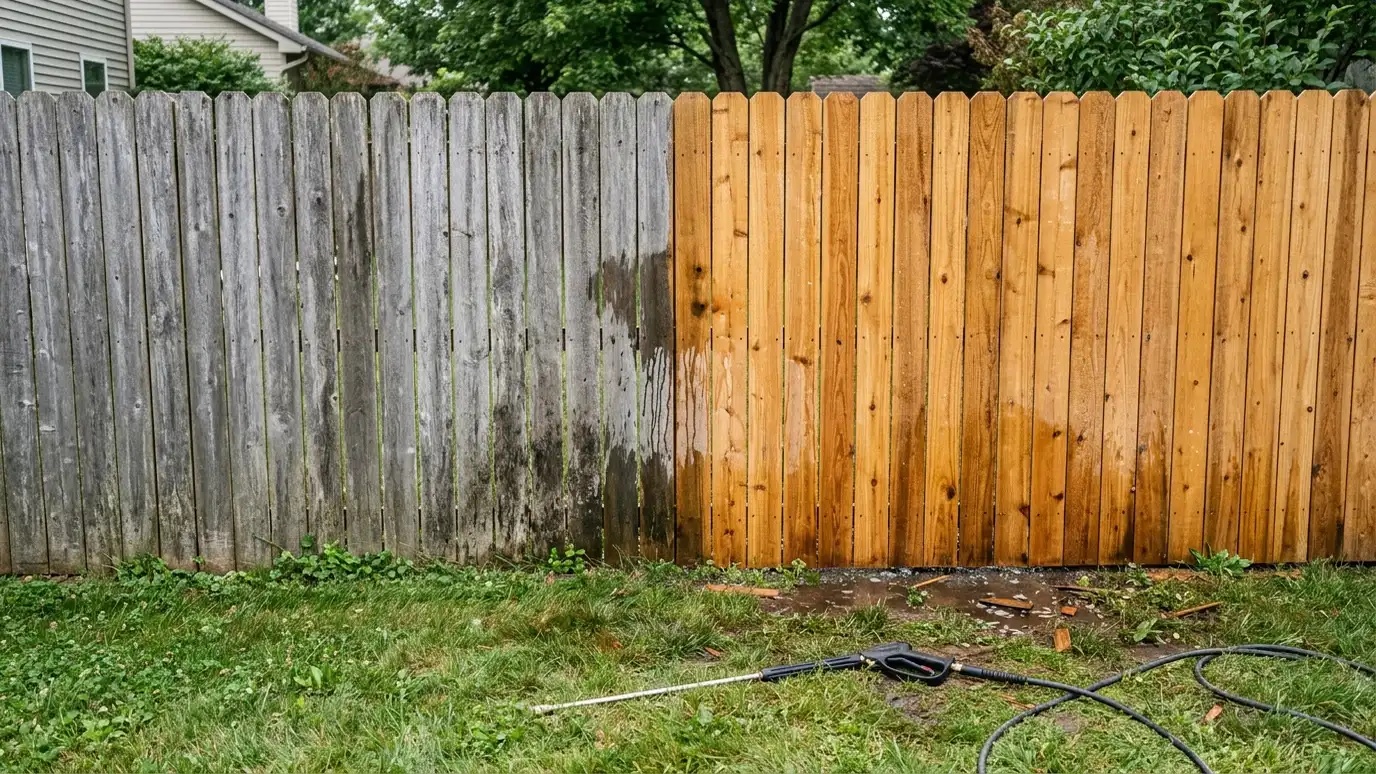
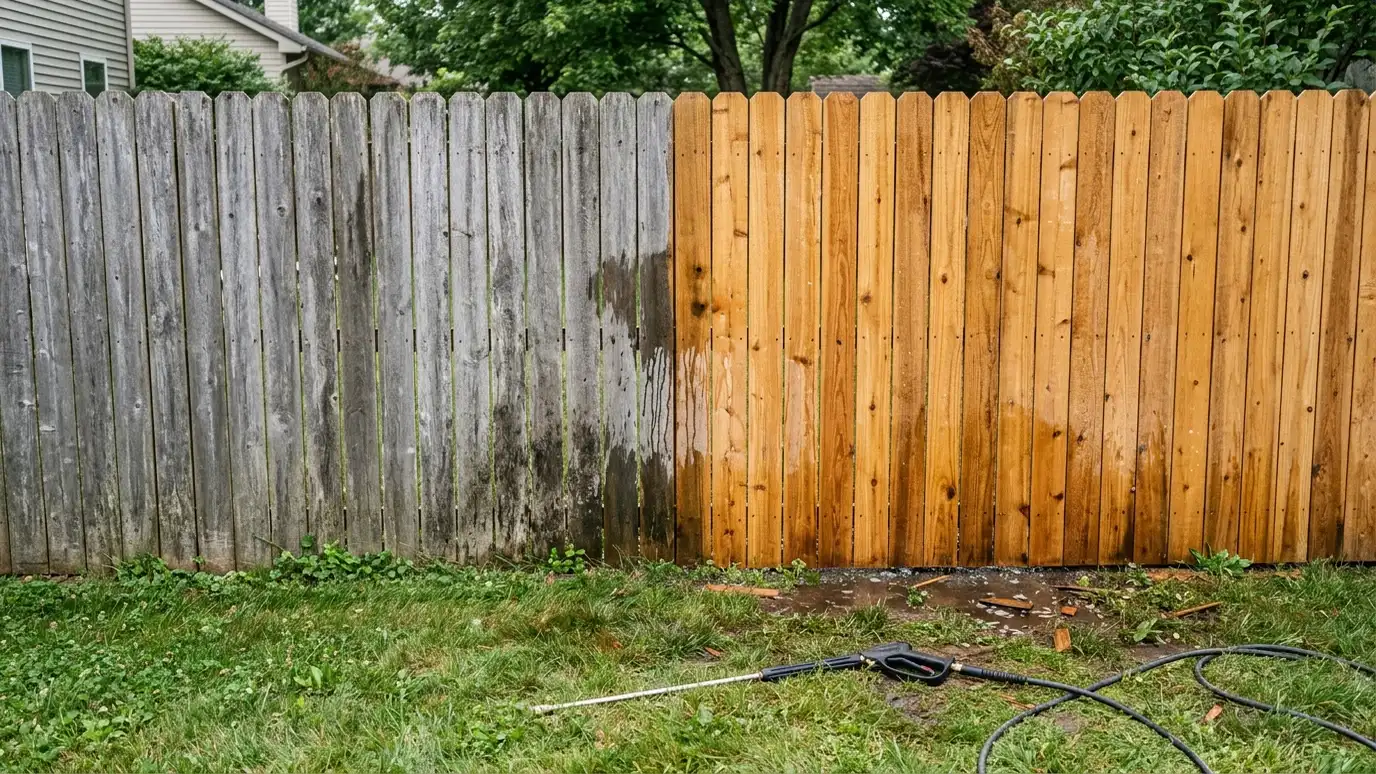
Wash wood, vinyl and metal to remove pollen, mildew and dirt.
Check finishes and plan staining on a dry stretch.
Trim plants from the fence.
Choose a dry week in early summer for cleaning. A gentle wash removes pollen and mildew and shows what condition the wood or finish is in. Plan staining right after the fence dries.
Mid-summer finishing
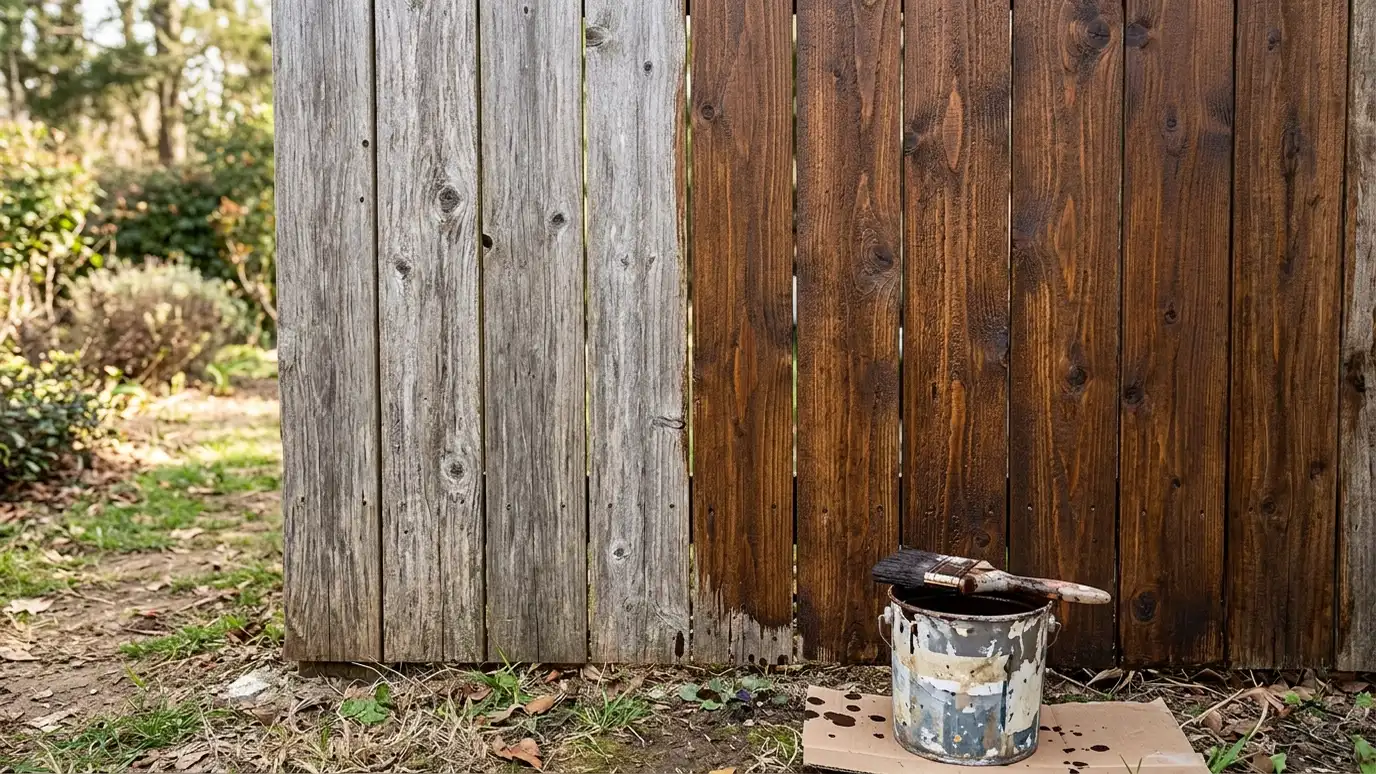
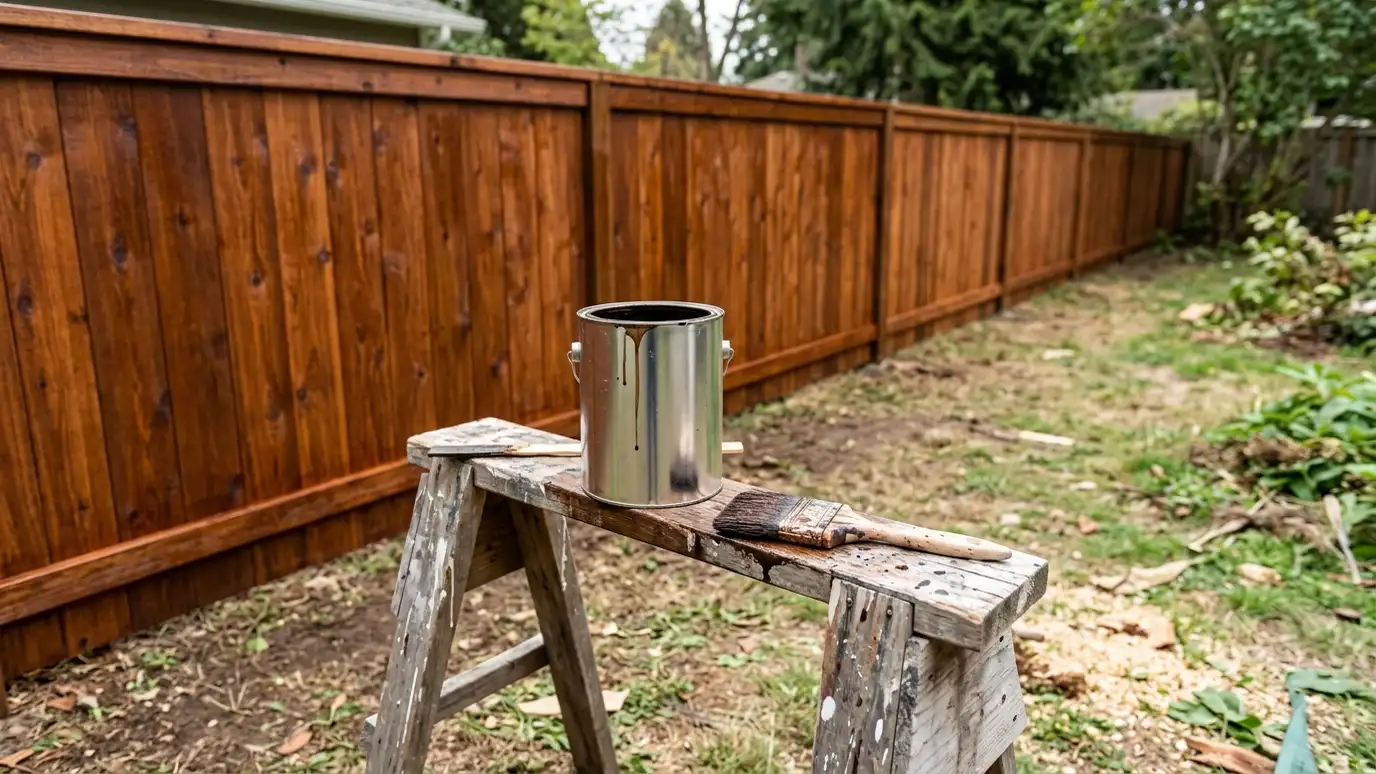
Stain or paint during dry, mild weather.
Lubricate gate hinges and check latches.
Fix rust spots on metal.
Stock a small kit: spare screws, matching stain or paint and a few extra boards or parts. A ten-minute fix keeps a small problem from growing.
Fall repairs
Replace rotted boards and posts before winter.
Clear leaves and debris from fence bottoms.
Check drainage and gutters near the fence.
Fall is a good time for repairs because crews have more room on their schedules and weather is mild. Fixing rotted boards and posts before winter keeps the fence strong through cold and wet months.
Winter care
Remove heavy snow from fence tops if safe and keep plows and shovels from hitting the fence.
Check for ice and wind damage.
Plan projects for spring.
In winter, keep plows, shovels and snow piles away from the fence. Heavy snow and ice can add load, and equipment can cause damage. Walk the fence after major storms.
Every season
Keep a short list and photos.
Fix small problems early.
Call us if something looks wrong.
If you prefer help, ask about our maintenance plans. We visit on a schedule, fix small items and send you a short report, so you do not have to remember every task.
Walk the fence each season, fix small issues quickly and keep water and plants away from the wood.