Pressure-treated pine fences that give strong posts, rails and pickets at a practical cost for privacy, picket and rail styles across Middle Tennessee.
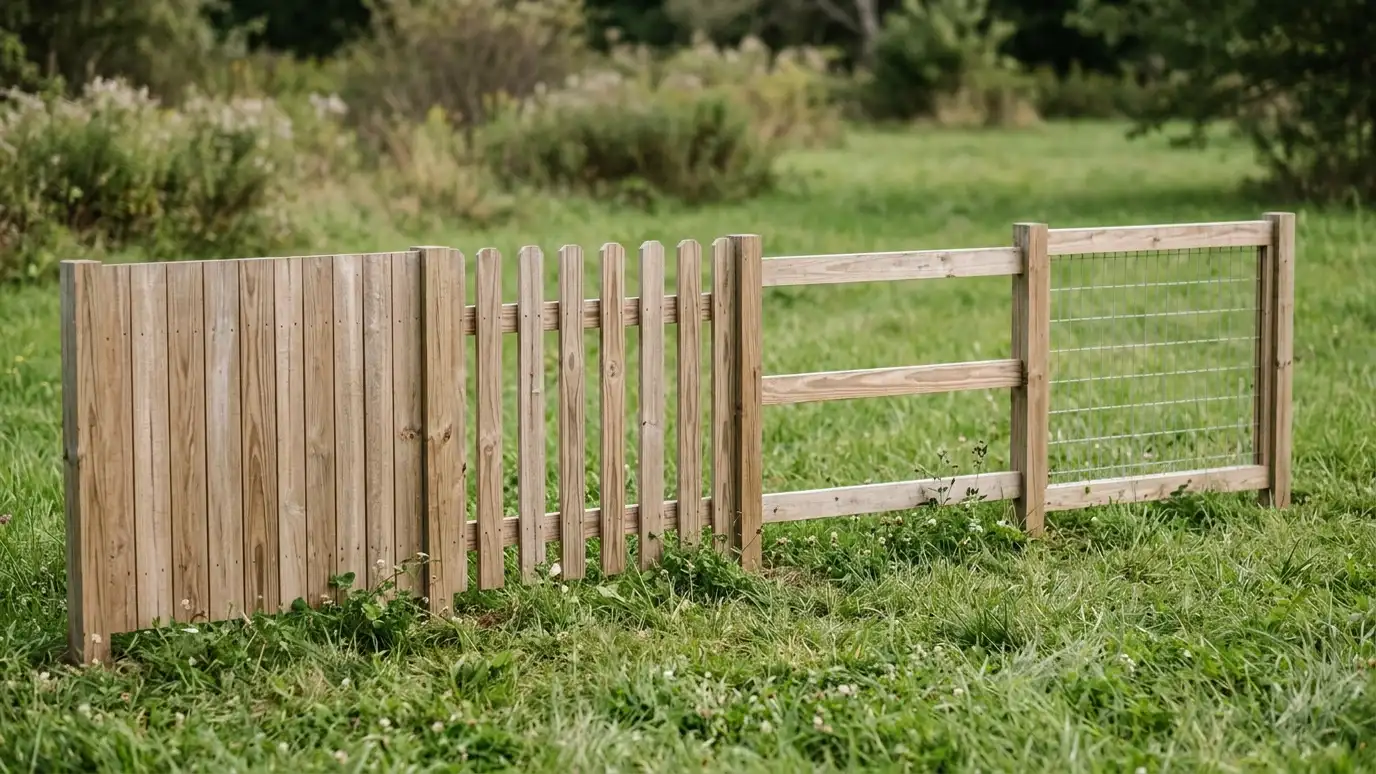
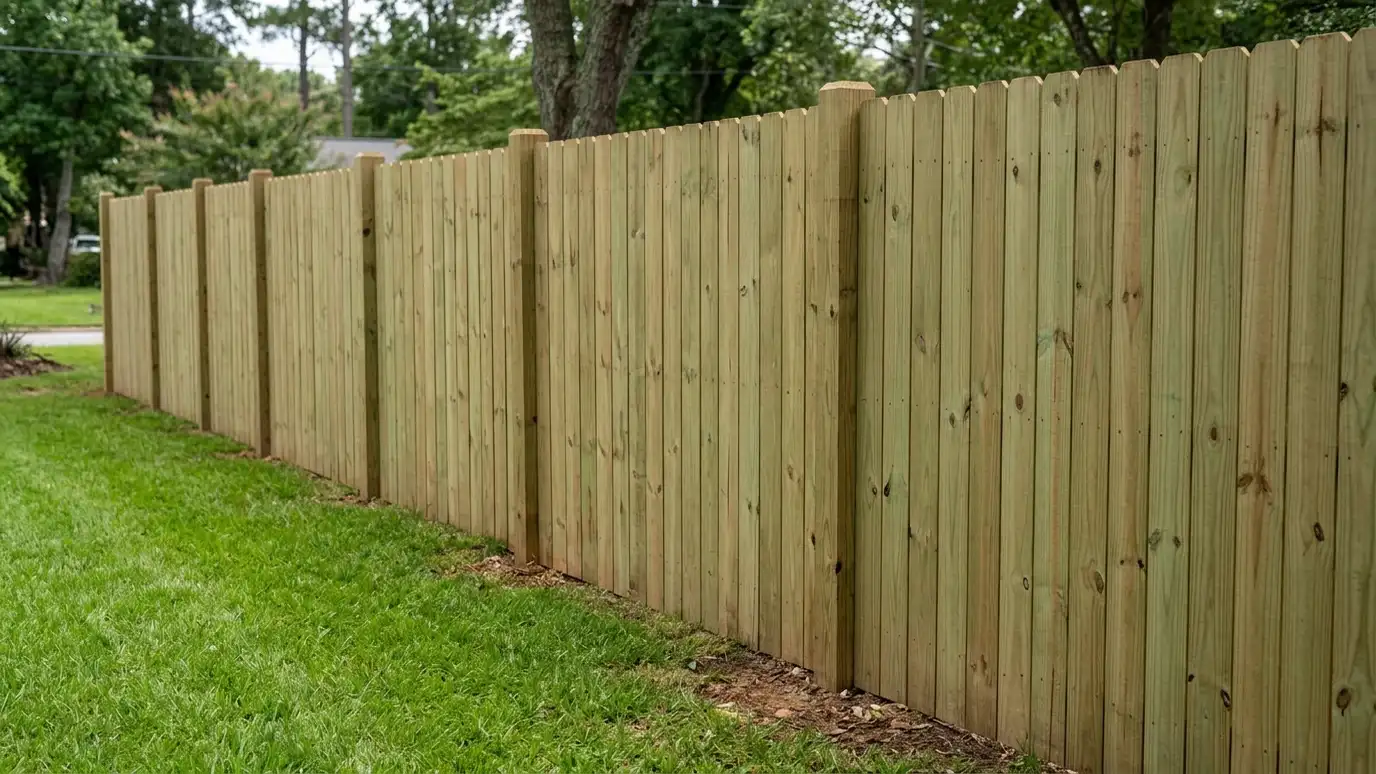
Pressure-treated pine is the most common fence lumber in Middle Tennessee for good reason. The wood is treated with preservatives that help it resist rot and insects, it is widely available and it handles privacy, picket and rail designs well. Owners in Nashville choose treated pine when they want a sturdy, practical fence and plan to stain it for a long-lasting finish.
We begin with a Free Estimate and talk through ground-contact ratings, board dimensions and how treated lumber behaves as it dries. Posts are set in concrete or gravel, rails are fastened with exterior-rated hardware and pickets are spaced to allow for shrinkage. Because treated lumber often arrives wet, we explain the best timing for stain or sealer, and we show you the difference between boards for above ground and posts rated for soil contact. Treated pine rewards patience. Letting the boards dry, using fasteners made for treated lumber and finishing the fence at the right time makes the difference between a fence that cups, splits and fades and one that stays flat and handsome. We walk you through a simple care plan so the fence you buy for practical reasons ends up looking better than you expected.
Posts set in soil need a lumber rating for ground contact, and we match the lumber to where it will be installed.
Treated boards often arrive damp and shrink as they dry, so we space and fasten them with that movement in mind.
Exterior-rated screws and nails are matched to the treatment chemistry so fasteners are not eaten away.
We explain how long to let the fence dry before staining or sealing for the best, most even absorption.
Drag the handle to compare.
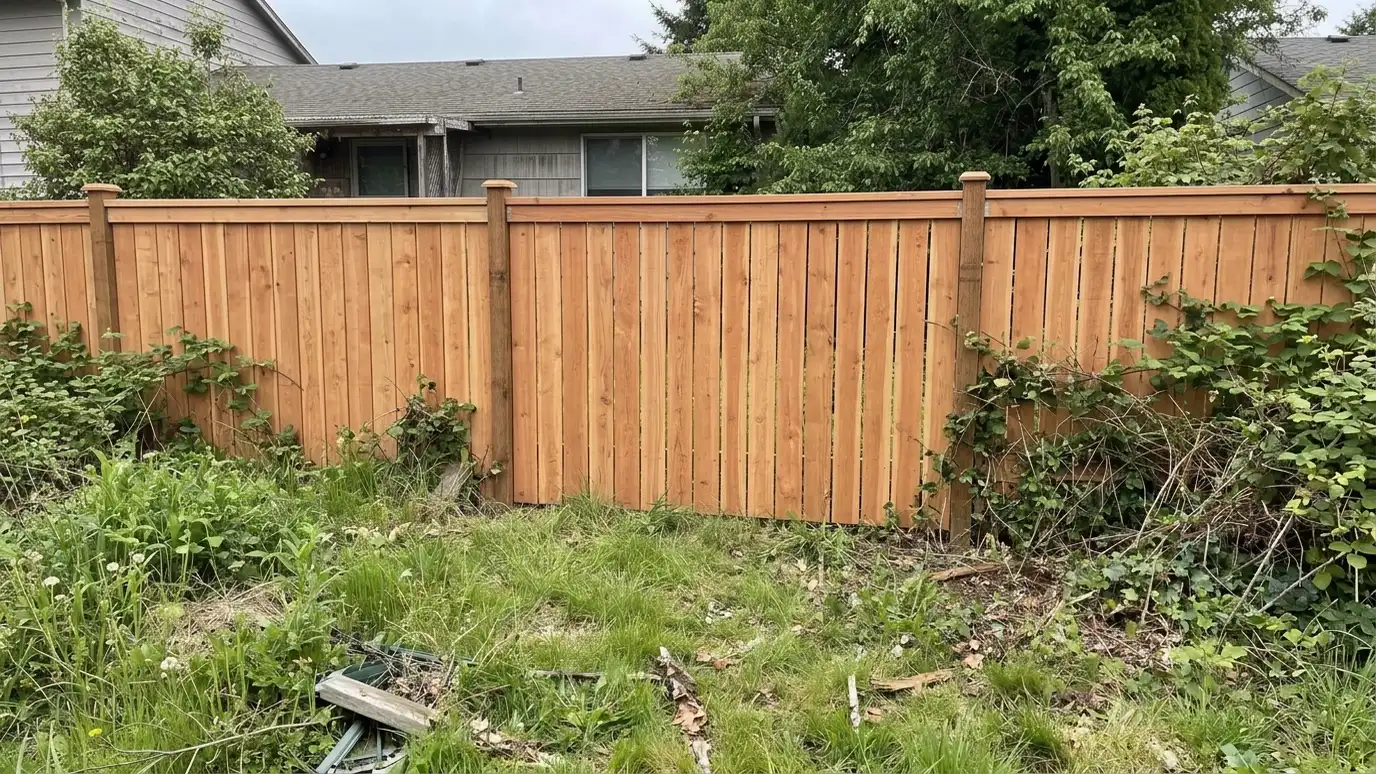
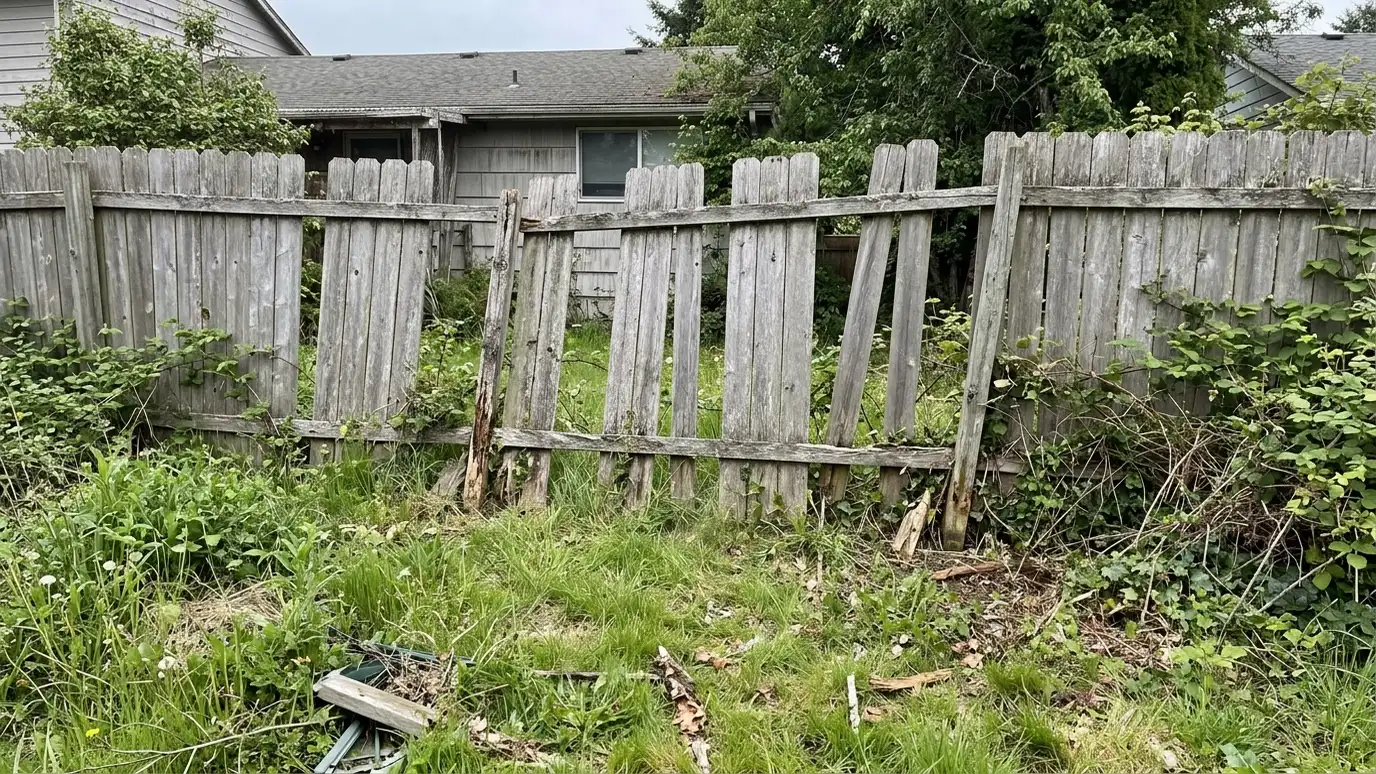 BeforeAfter
Ground contact and above-ground boards chosen.
Layout, height and gates agreed.
Aligned and set in concrete or gravel.
Exterior-rated hardware used throughout.
Spacing allows for drying and movement.
Timing for stain or sealer explained.
Every topic has its own page with what to expect and how we approach it.
 ResourceWRCLAA trade association that provides information about western red cedar, its grades, uses, finishing and care for fences…Learn more ResourceAWPAA standards organization for wood preservation that publishes use categories describing where treated wood is suited, including ground…Learn more ResourceForest Products LabA research laboratory of the United States Forest Service that studies wood, its durability, finishing and performance outdoors.Learn more
Answer five questions about your property, goals and timing to see which fence services to start with.
You tell us what you want the fence to do, and we set a visit that fits your day.
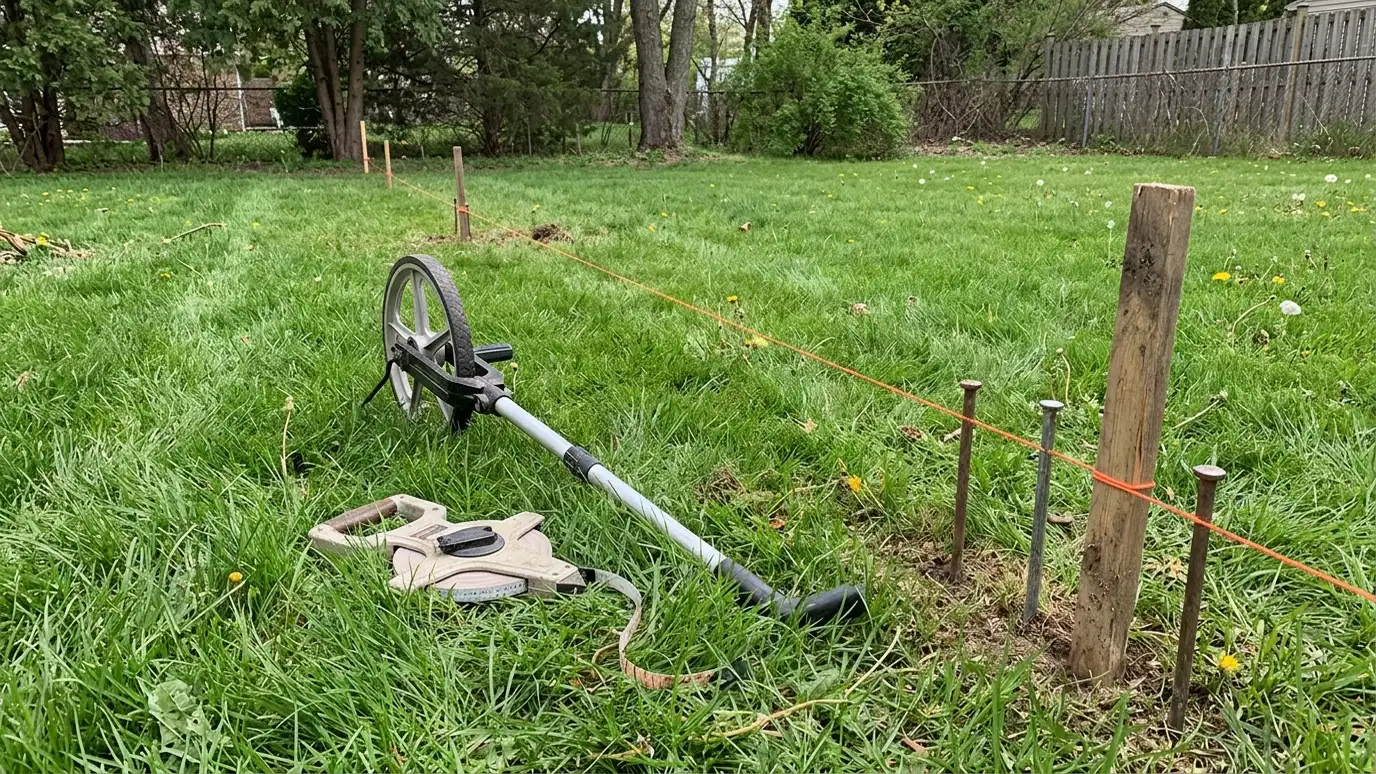
We walk the line, measure runs and gates, note slope, trees and utilities and talk through your goals.
You receive a plain written scope with style, height, materials, gates and price before anything begins.
We stake the line, request utility marking where needed and set posts plumb and aligned.
We frame the fence, install pickets or panels and hang gates with strong hinges and latches.
We clean up, walk the fence with you, show how gates work and explain care.
Modern residential treatments are widely used around homes. Follow the manufacturer handling instructions, and ask us if you have specific concerns about raised beds.
Sun, moisture and drying cause color change, cupping and twisting. Good lumber selection, fastening and finishing reduce it.
It depends on moisture and weather. Many owners wait for the boards to dry, and we advise you on a sensible window.
Yes, with the right rating for each use. Posts in the ground need ground-contact lumber.
Treated pine is more economical and very sturdy, while cedar is lighter, more stable and richer in color. We help you decide.
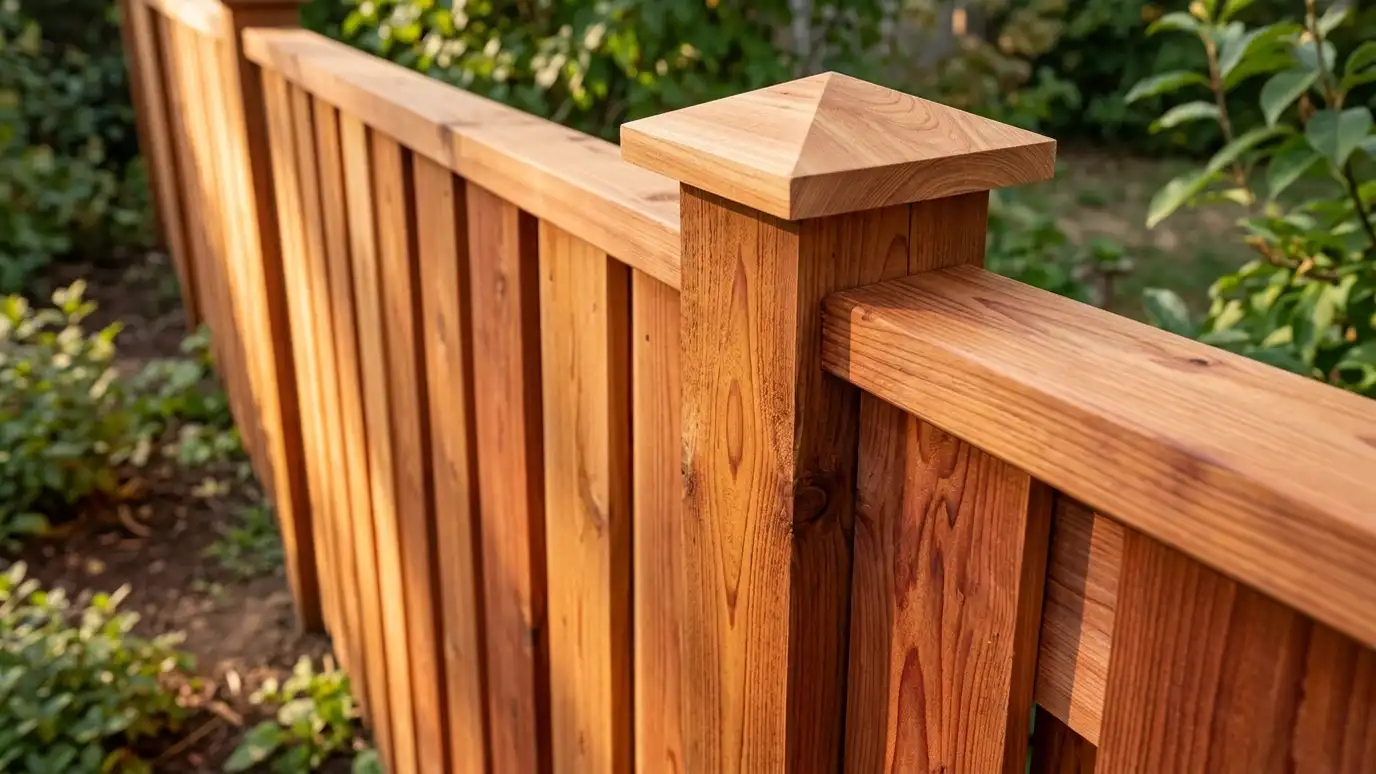 Cedar FencesCedar fences with naturally rot-resistant wood, rich red-brown color and clean lines for privacy, picket and decorative styles…Explore
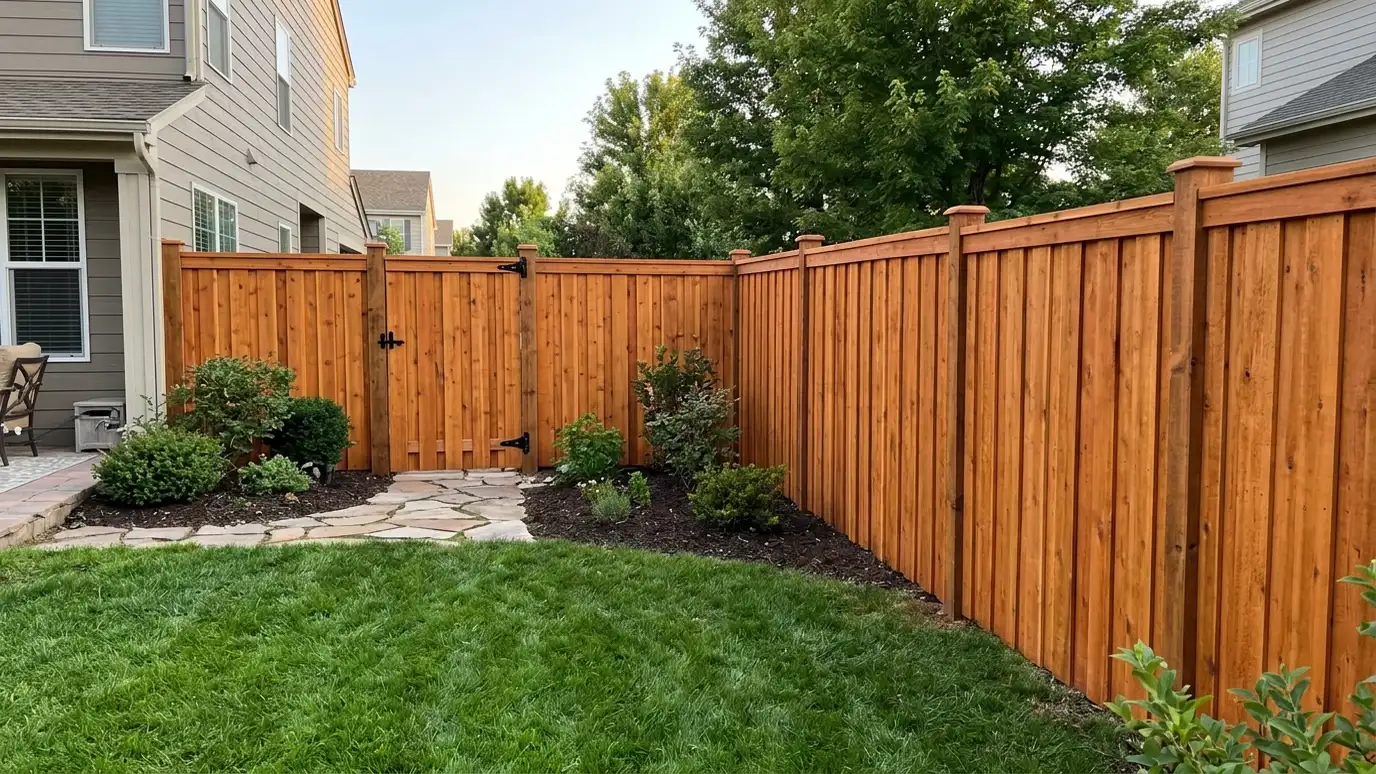 Wood Privacy FencesTall, solid wood privacy fences built with set posts, rails, pickets and matching gates for backyards that need…Explore
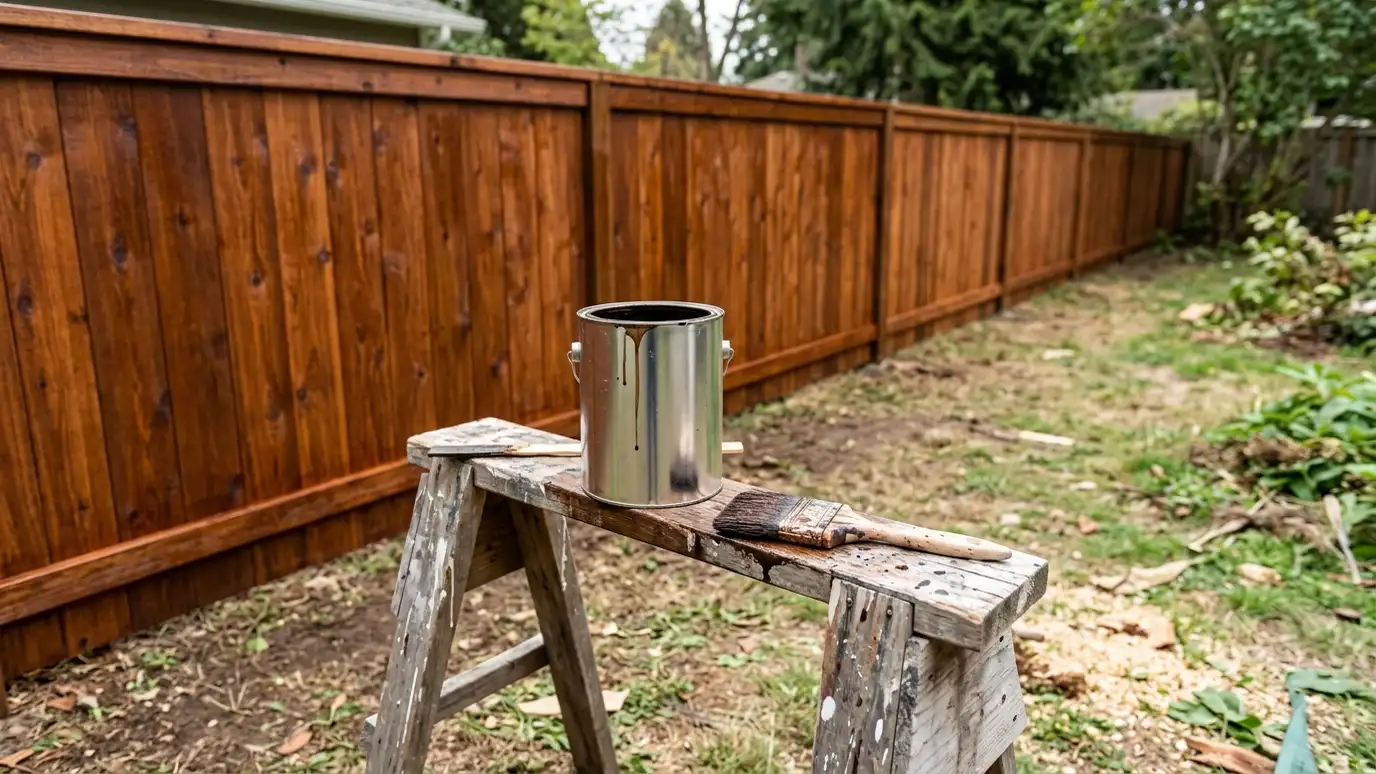 Fence Staining and SealingStaining and sealing for new and existing wood fences with preparation, even coverage and finishes chosen for sun…Explore
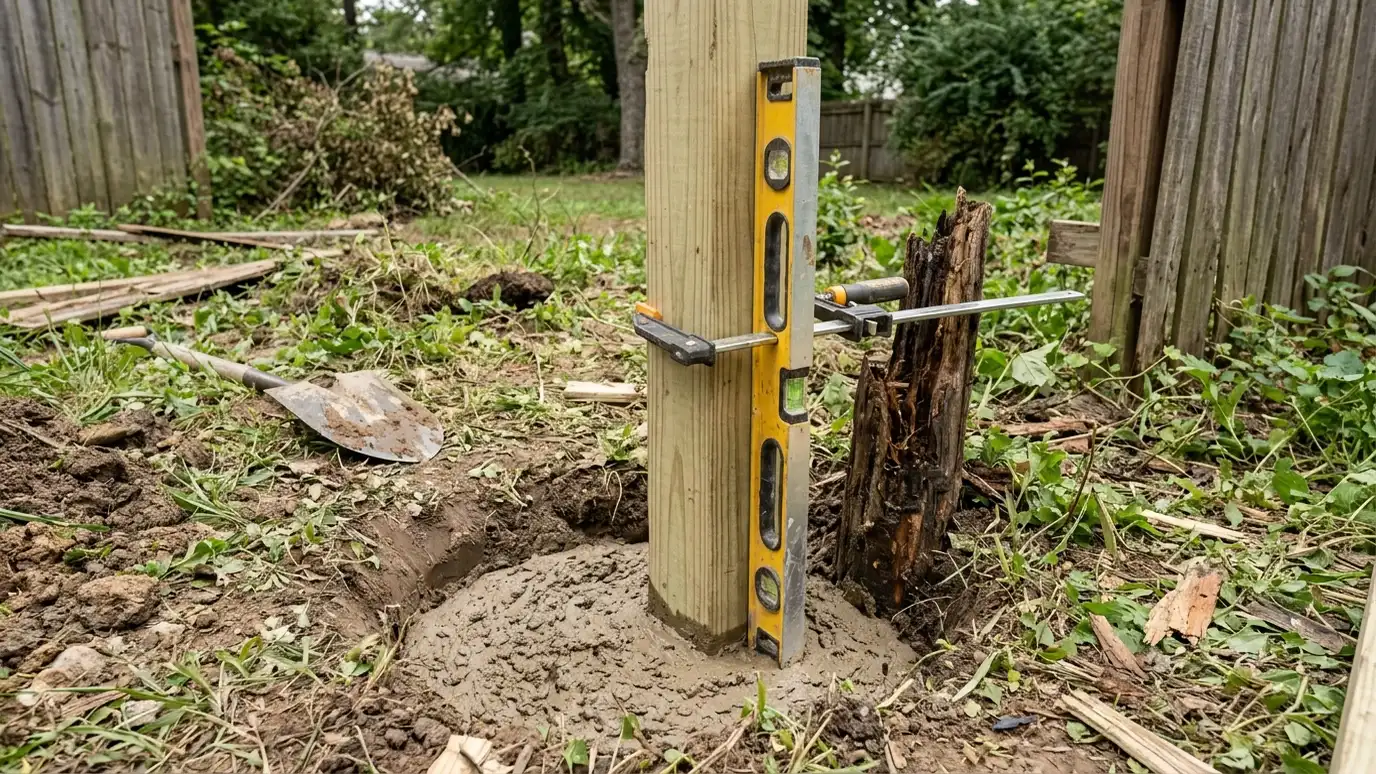 Fence Post ReplacementReplacement of rotted, broken or loose fence posts with new ground-contact lumber, steel or concrete-set posts that carry…Explore
Tell us about your property and we will call you back to set up a visit.
Or call (615) 357-7797 to talk now.