Repairs for rotted boards, rails and trim on wood fences, with new lumber, galvanized fasteners and moisture fixes that protect the repair.
Rot is a slow problem that arrives quickly. Wood stays damp at ground contact, where boards meet rails and where water collects, and fungus does the rest. A rotted rail leaves pickets loose and a rotted board invites the next one to follow. Owners in Nashville call us to cut out soft wood, replace it and fix the moisture that caused it.
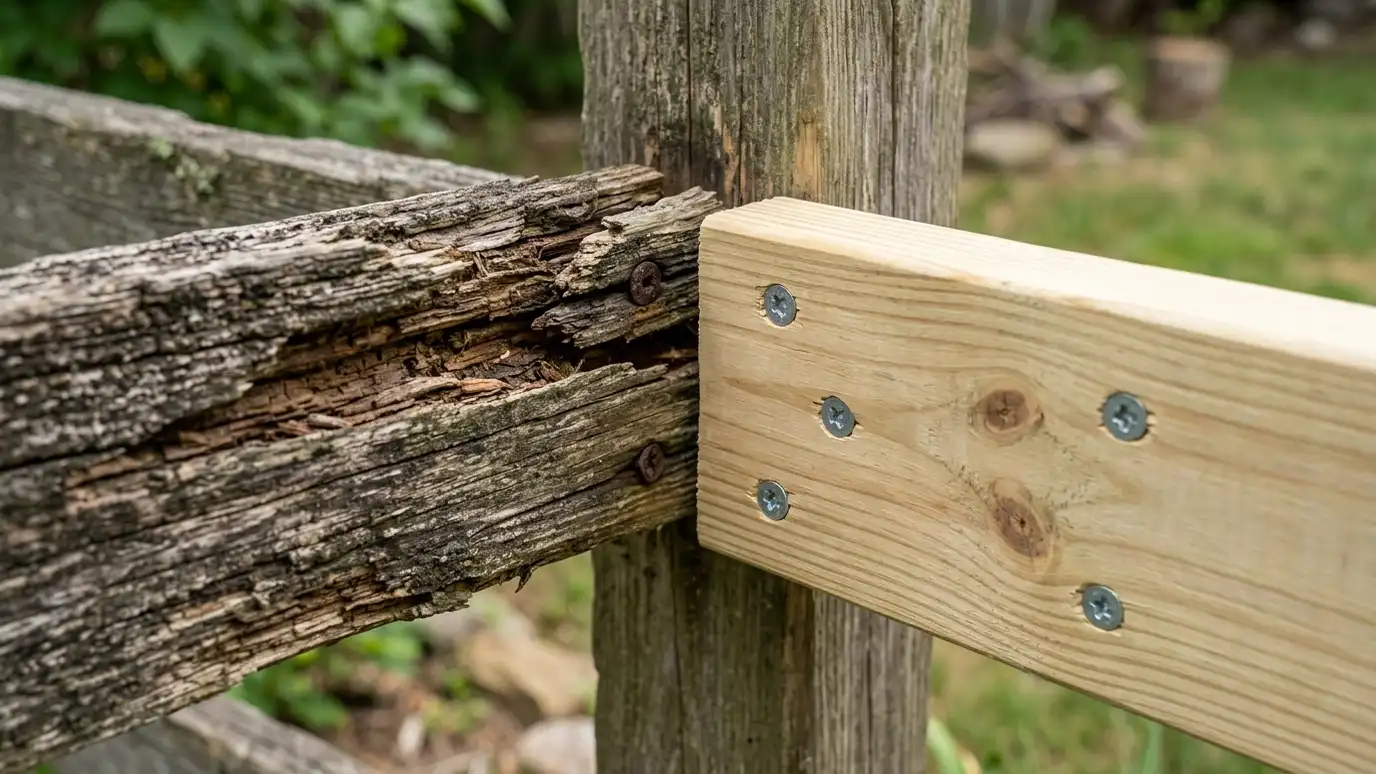
We begin with a Free Estimate and test boards and rails with a probe to find soft wood. We replace rotted pieces with new lumber that suits the job, such as treated rails or cedar boards, and use galvanized or stainless fasteners. We discuss why rot happened, whether it was water pooling, soil contact or lack of sealing, and we fix what we can with grading, kickboards and finish to slow it down. When rot is caught early, repairs are small and inexpensive. Look at the bottom of boards, the tops of rails and the places where wood touches soil or other wood, and press with a screwdriver. If you find soft spots, we can replace them and fix the moisture that caused them.
A screwdriver or awl reveals soft wood, and rot often goes further than the visible damage.
Treated lumber and cedar suit rails and boards differently, and we match them to the fence.
Galvanized or stainless fasteners avoid rust that stains and weakens connections.
Grading, kickboards and sealing slow the next round of rot.
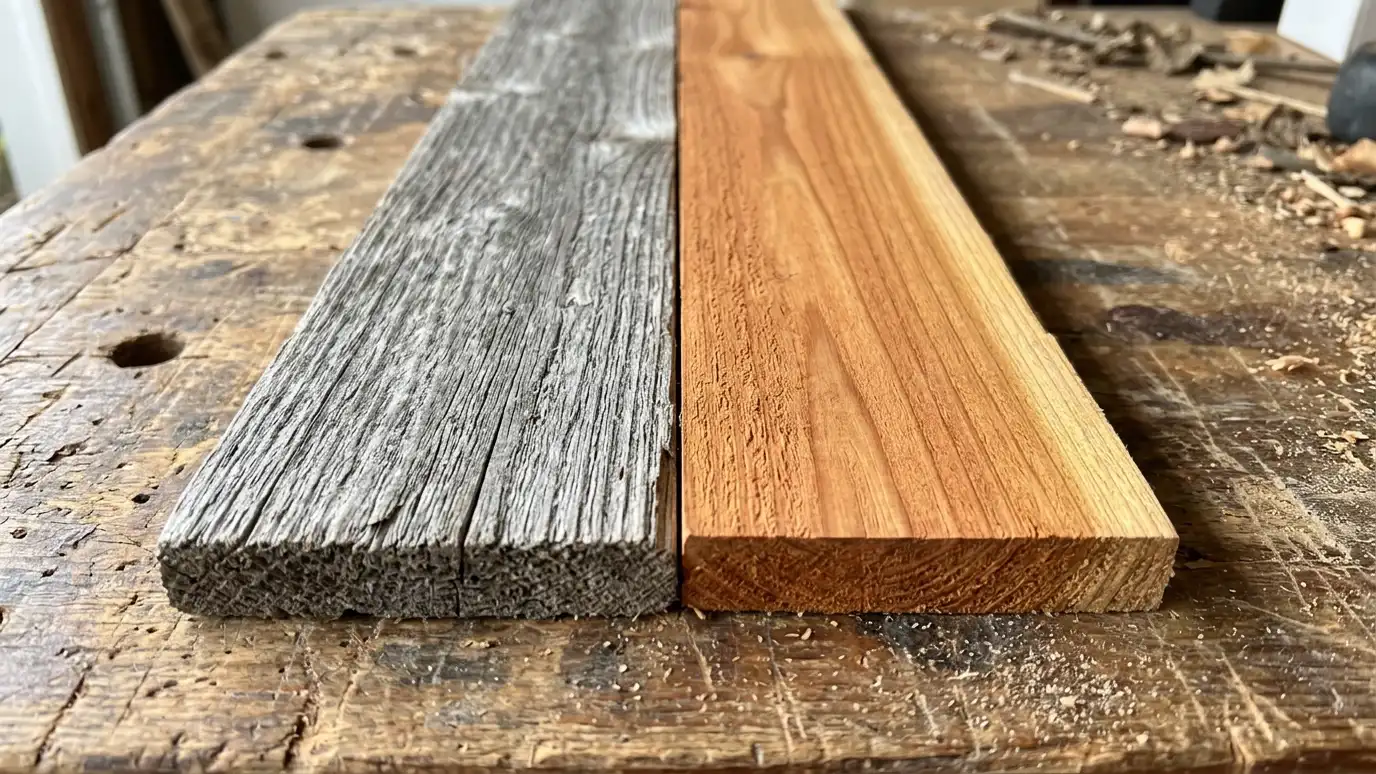
Drag the handle to compare.
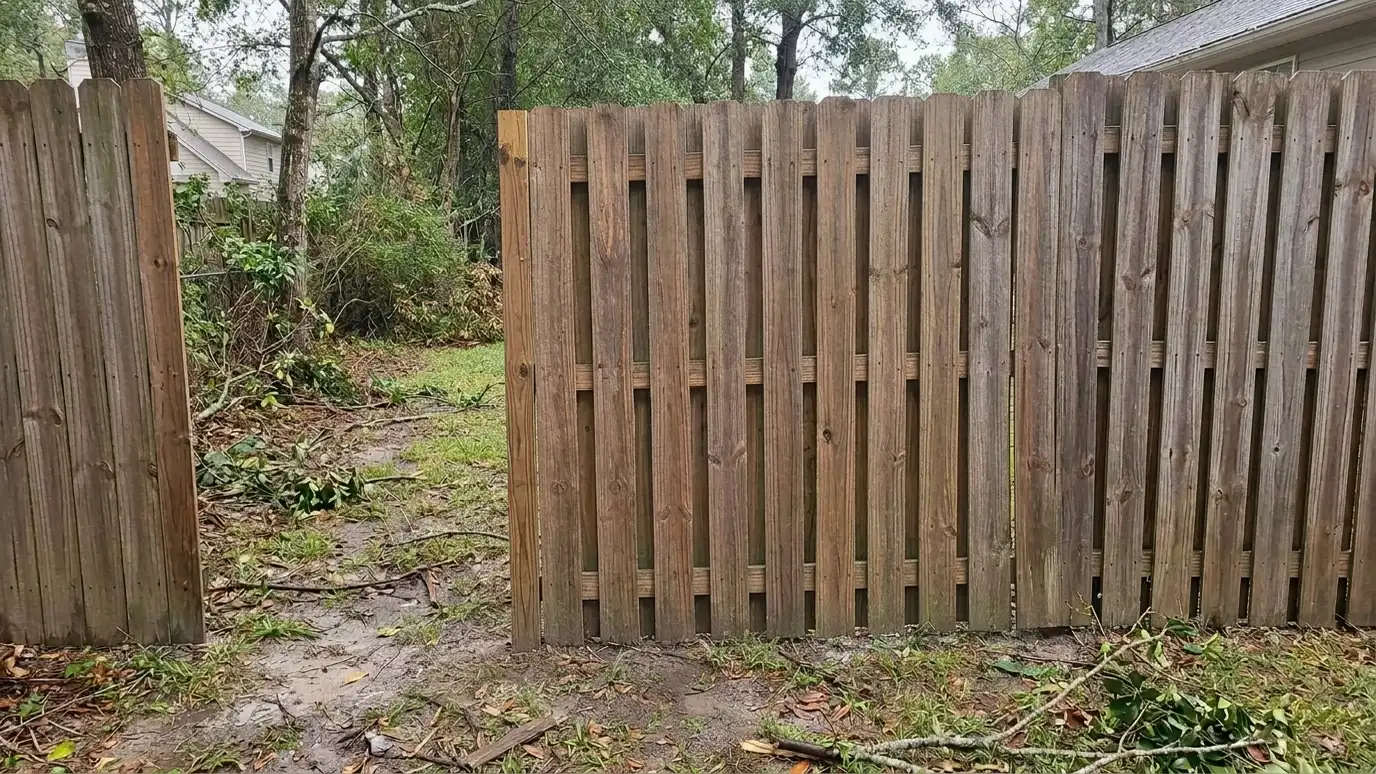
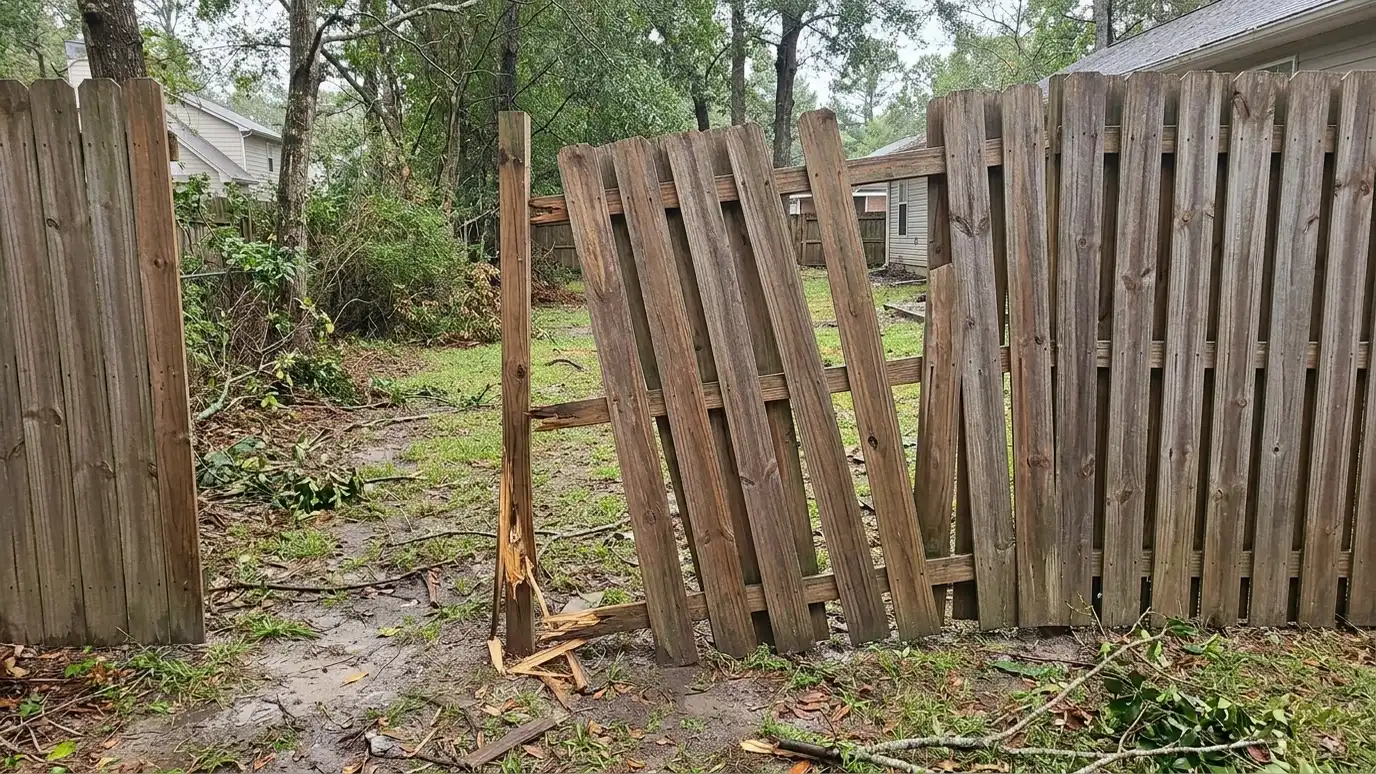 BeforeAfter
Soft spots found and marked.
Rotted pieces removed.
Matched and fastened.
End grain and cuts protected.
Grading or kickboards added.
Care tips shared.
Every topic has its own page with what to expect and how we approach it.
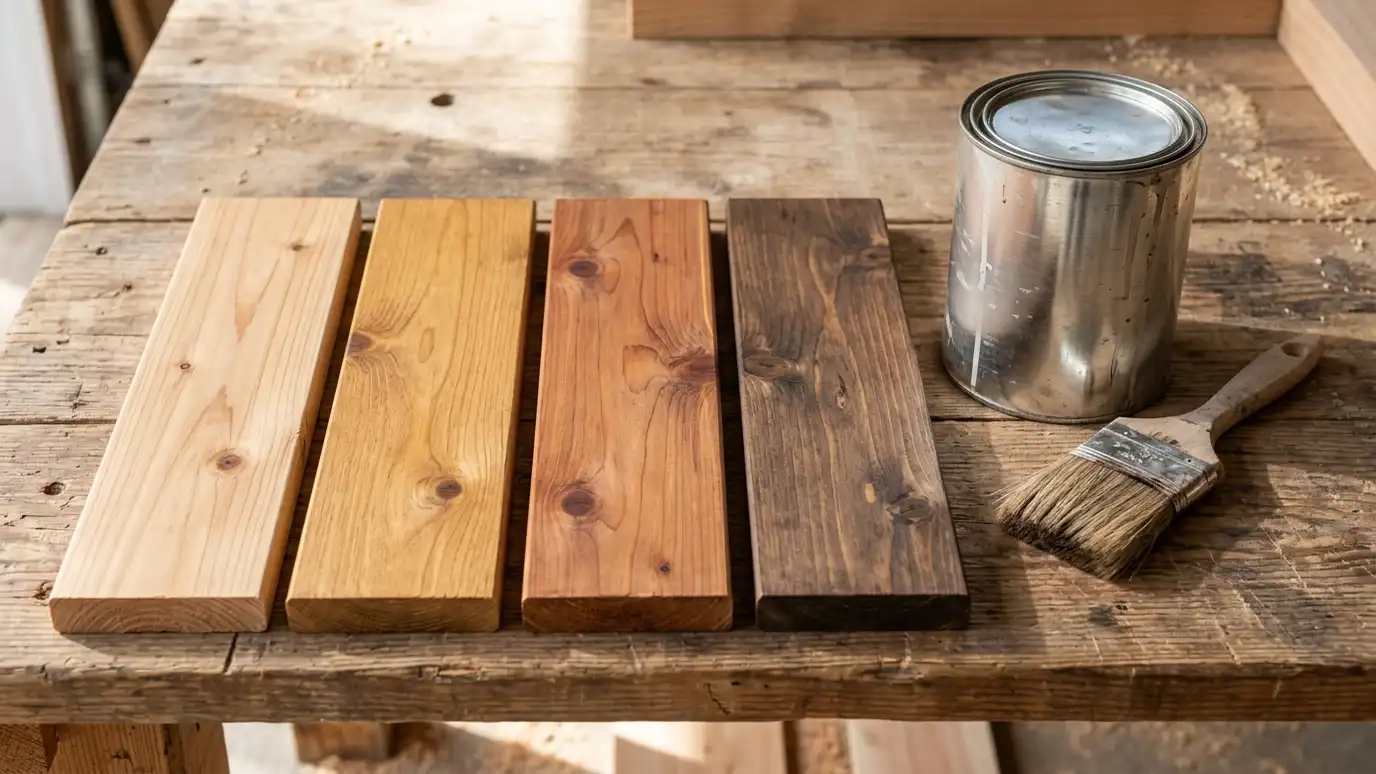 ResourcePenofinA maker of penetrating oil finishes for decks, fences, siding and other exterior wood.Learn more
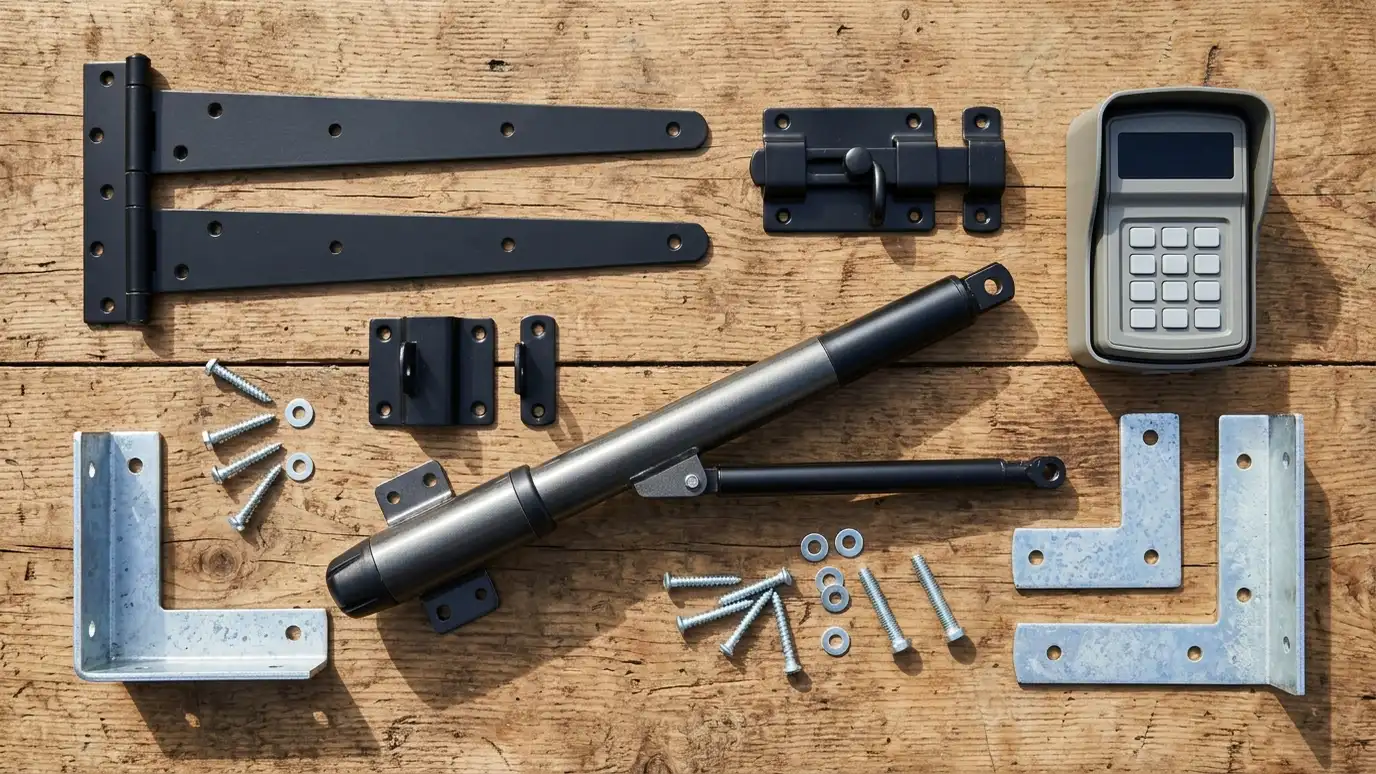 ResourceSimpson Strong-TieA maker of structural connectors and anchors, including post bases and brackets used in decks, pergolas and some…Learn more
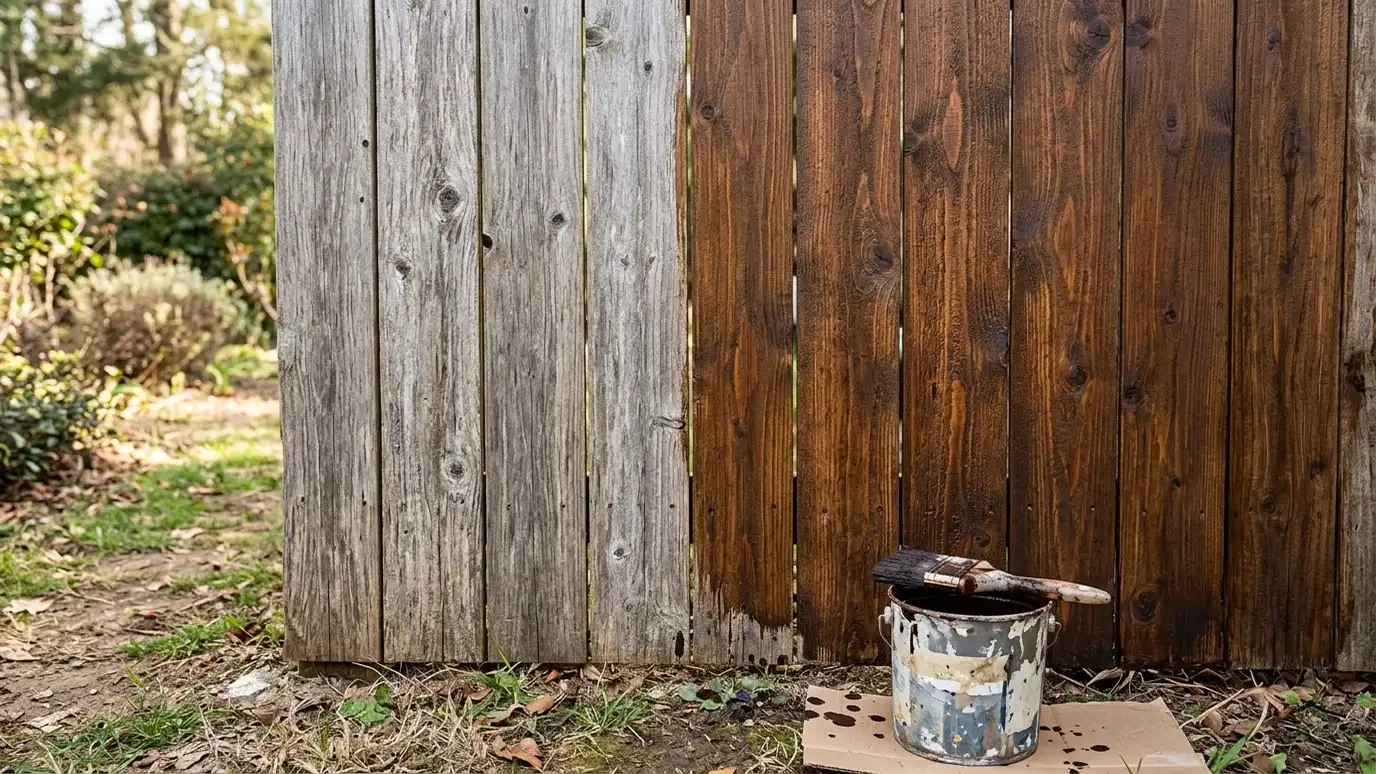 Comparison guideLifespan and MaintenanceHow long wood, vinyl, aluminum and chain link fences typically last and what simple care keeps them standing…Learn more
Pick what you see on your wood, vinyl, metal, chain link or gate to get likely causes, what to try first and the service page that fits.
You tell us what you want the fence to do, and we set a visit that fits your day.
We walk the line, measure runs and gates, note slope, trees and utilities and talk through your goals.
You receive a plain written scope with style, height, materials, gates and price before anything begins.
We stake the line, request utility marking where needed and set posts plumb and aligned.
We frame the fence, install pickets or panels and hang gates with strong hinges and latches.
We clean up, walk the fence with you, show how gates work and explain care.
Soft, crumbly or stringy wood that gives under a screwdriver is rotted.
Light rot can sometimes be treated, but rotted structural pieces should be replaced.
Water collects on horizontal surfaces and in joints, which keeps wood damp.
Without fixing moisture, yes. We improve drainage and finish to slow it.
Yes. Caps and trim shed water and protect the fence.
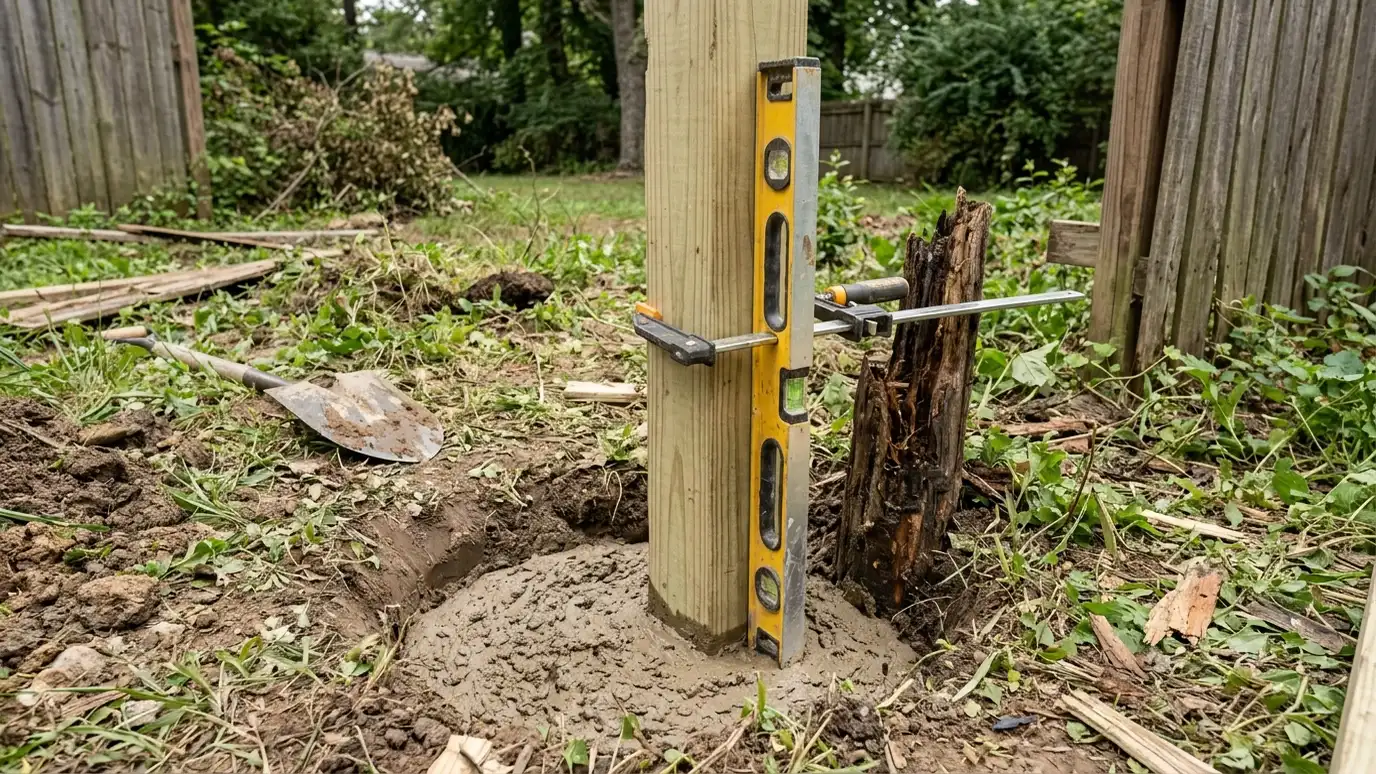 Fence Post ReplacementReplacement of rotted, broken or loose fence posts with new ground-contact lumber, steel or concrete-set posts that carry…Explore
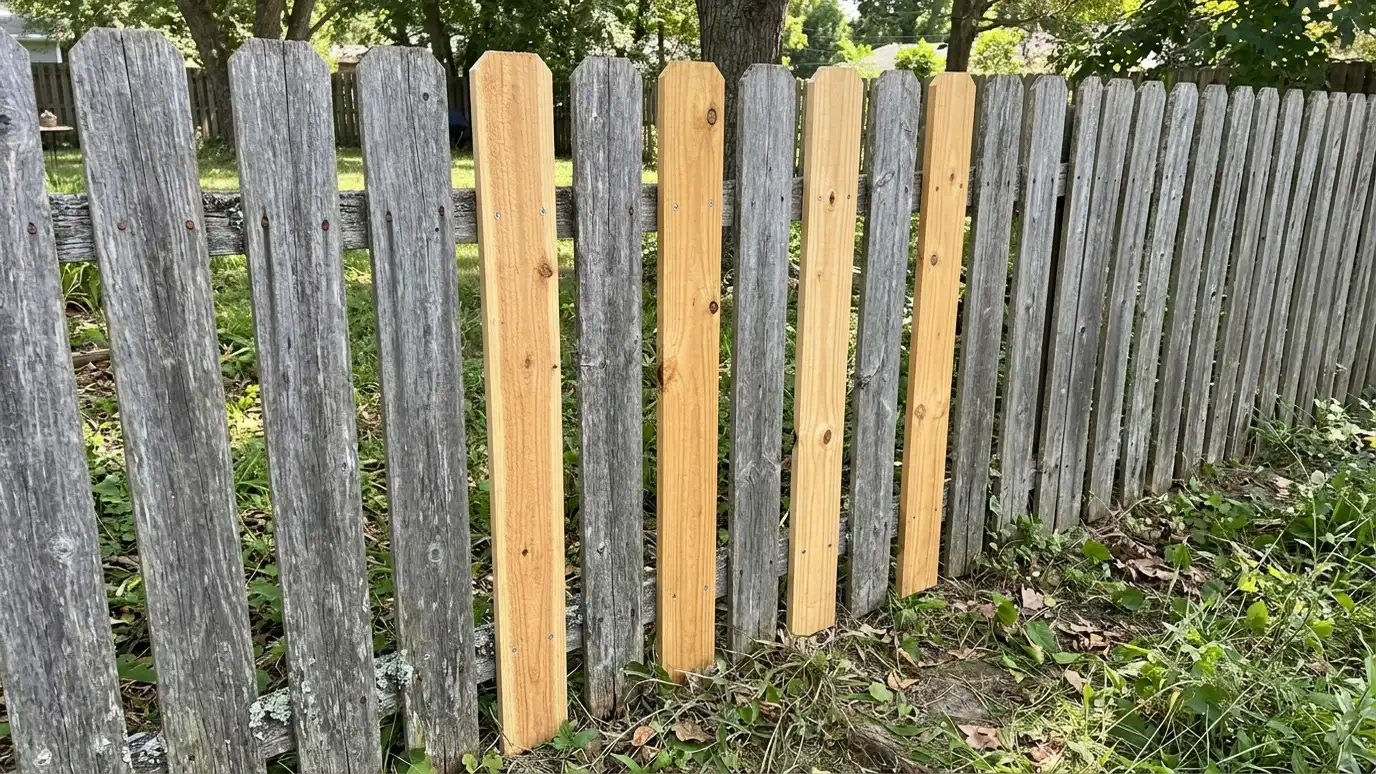 Fence Panel and Picket ReplacementReplacement of broken, warped and missing pickets and panels in wood, vinyl and metal fences, matched for size…Explore
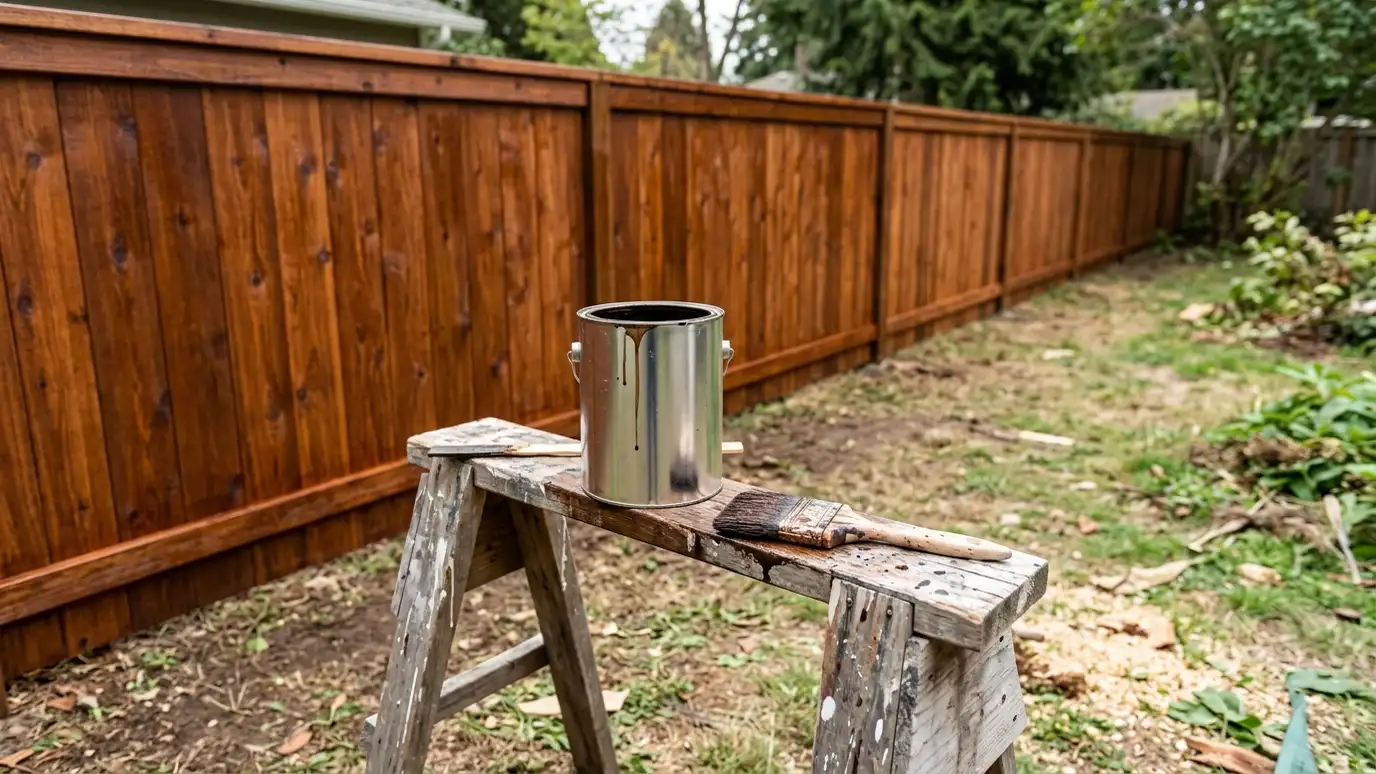 Fence Staining and SealingStaining and sealing for new and existing wood fences with preparation, even coverage and finishes chosen for sun…Explore
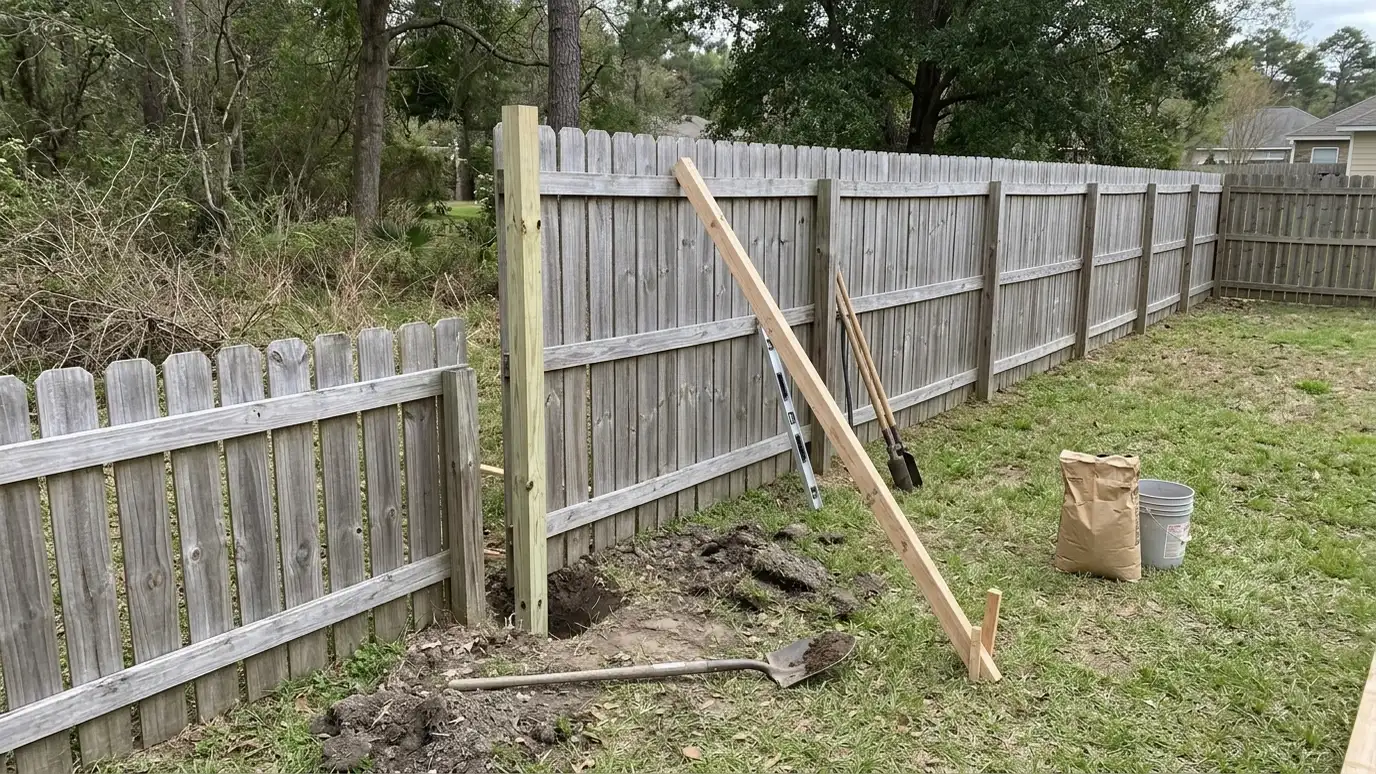 Leaning Fence RepairStraightening and stabilizing leaning fences by resetting posts, replacing rotted bases, adding braces and fixing the soil and…Explore
Tell us about your property and we will call you back to set up a visit.
Or call (615) 357-7797 to talk now.