Safe, visible horse fences in wood, vinyl and coated rail, with smooth surfaces, strong gates and tight lines for pastures, paddocks and arenas.
Middle Tennessee is horse country, and horse fencing is a specialty. Horses can injure themselves on wire gaps, nails and sharp edges, and they push, lean and run. A good horse fence is visible, smooth and strong enough to hold when a horse panics. Owners across Williamson, Rutherford, Wilson and Davidson counties ask us for pasture, paddock and arena fences that protect their animals.
We begin with a Free Estimate and walk the property with you, noting pastures, paddocks, barns, gates and water. We talk about fence types: board, vinyl rail, coated rail and no-climb wire with a top rail, and plan heights suited to your horses. We install strong posts with braced corners, smooth rails and gates that open without trapping or catching a horse, and explain electric options for inside protection. Horse fences are about safety first. We keep the lines visible, the surfaces smooth and the gates easy to handle, and we think about how horses move, graze and play. If you have foals, ponies or a mix of animals, tell us, and we will adjust the design so each one is safe.
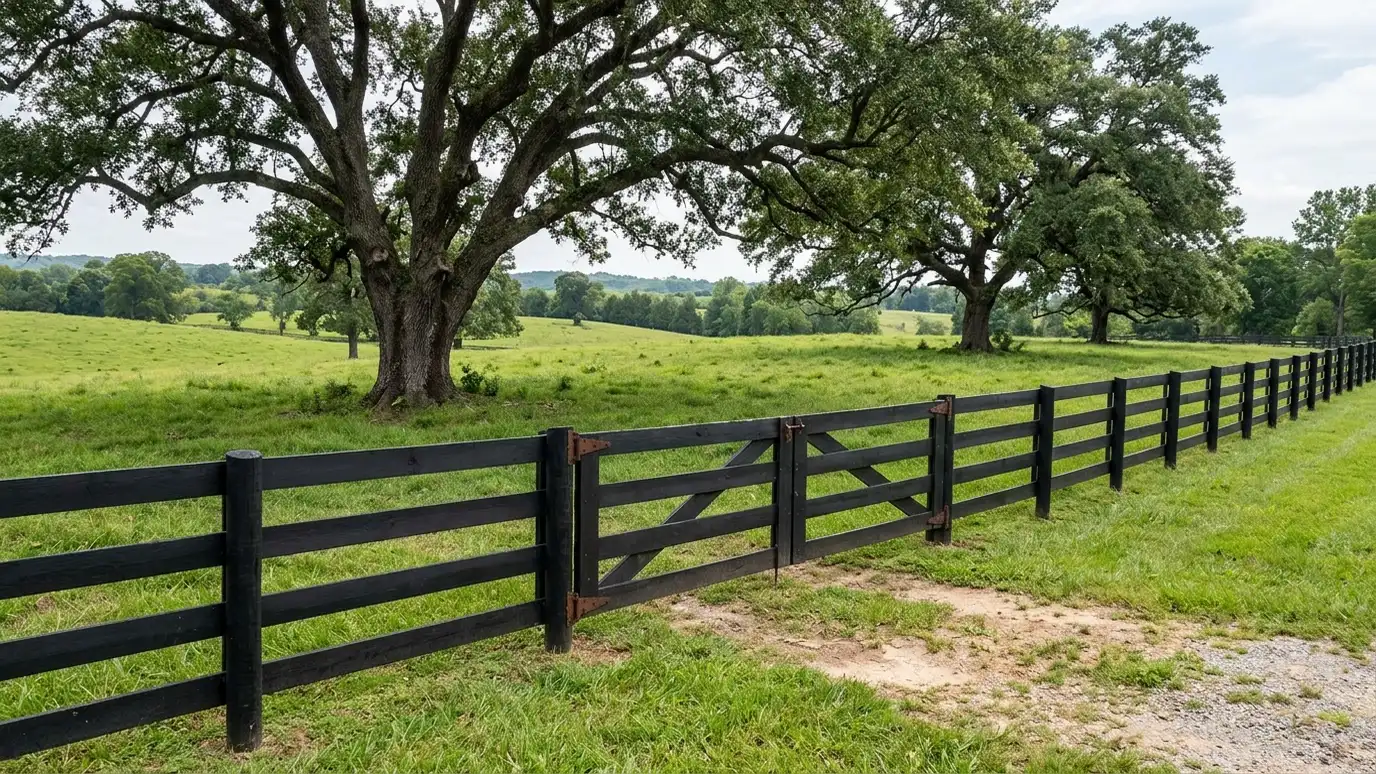
Horses need to see the fence, so wide boards, bright rails and top rails help prevent collisions and injury.
We match fence height and rail spacing to the animals, since foals and small horses need different gaps.
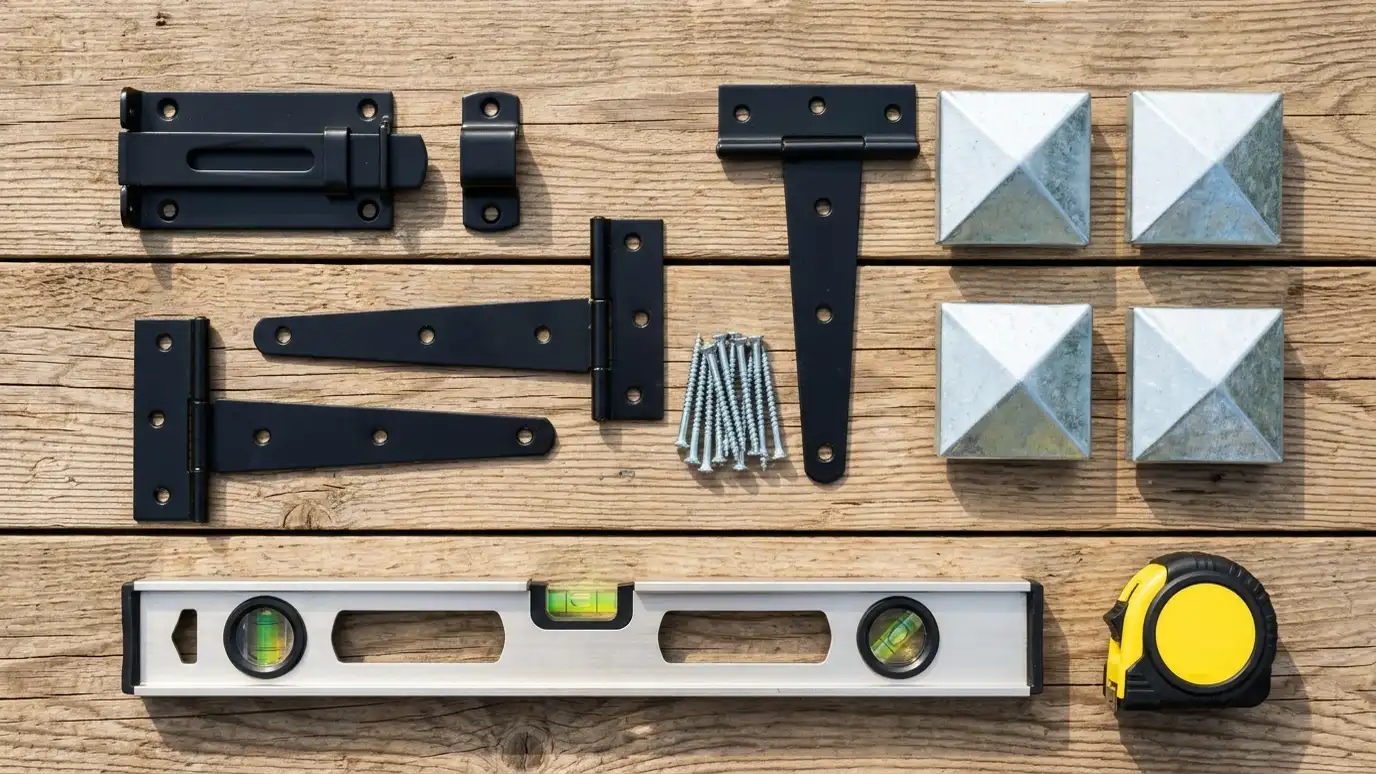
Wide, easy-to-handle gates open and close without hitting horses and latch positively.
A hot strand on the inside keeps horses from leaning on the fence and extends its life.
Pastures, barns and gates reviewed.
Board, rail or wire with a top rail.
Corners and gates reinforced.
Smooth and safe.
Hardware chosen for horses.
Safety and layout checked.
Every topic has its own page with what to expect and how we approach it.
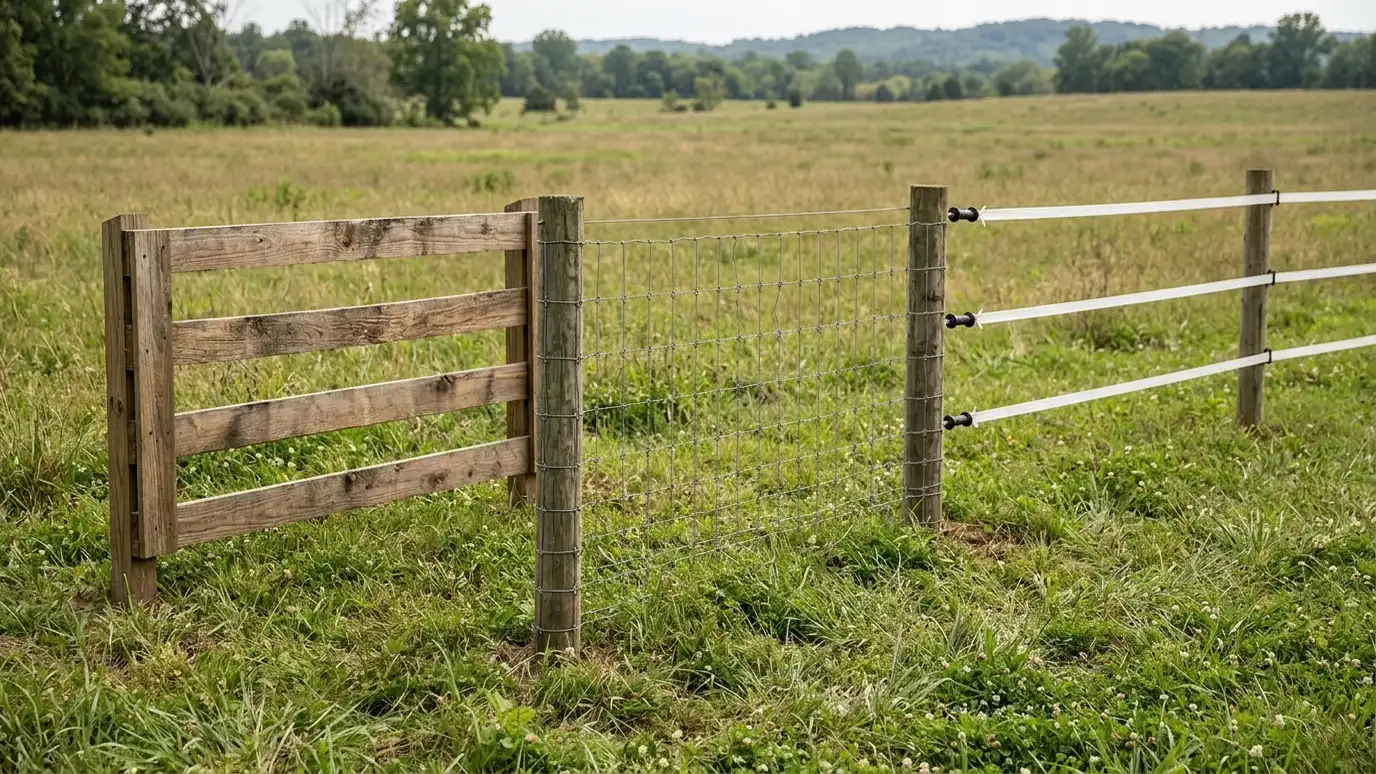 Comparison guideFarm and Pasture Fence TypesHow board, rail, woven wire, high-tensile, electric and panel fences compare for horses, cattle, goats and sheep.Learn more
 ResourceUT ExtensionThe University of Tennessee Institute of Agriculture extension service, which shares publications on pastures, livestock and farm fencing.Learn more
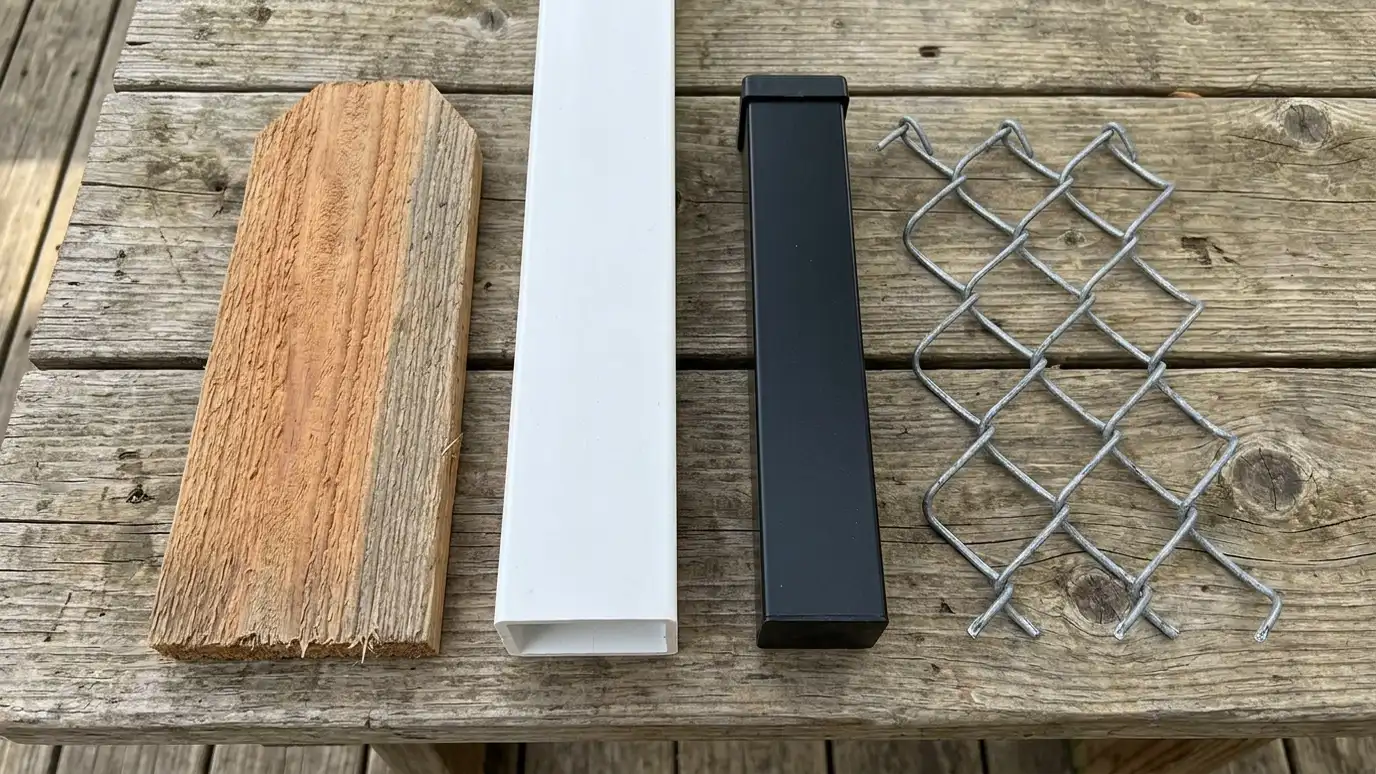 ResourceZarebaA maker of electric fence energizers, wire, tape, insulators and accessories for pastures and animal control.Learn more
Enter up to three quotes and score scope, materials, gates, communication and schedule with your own weights.
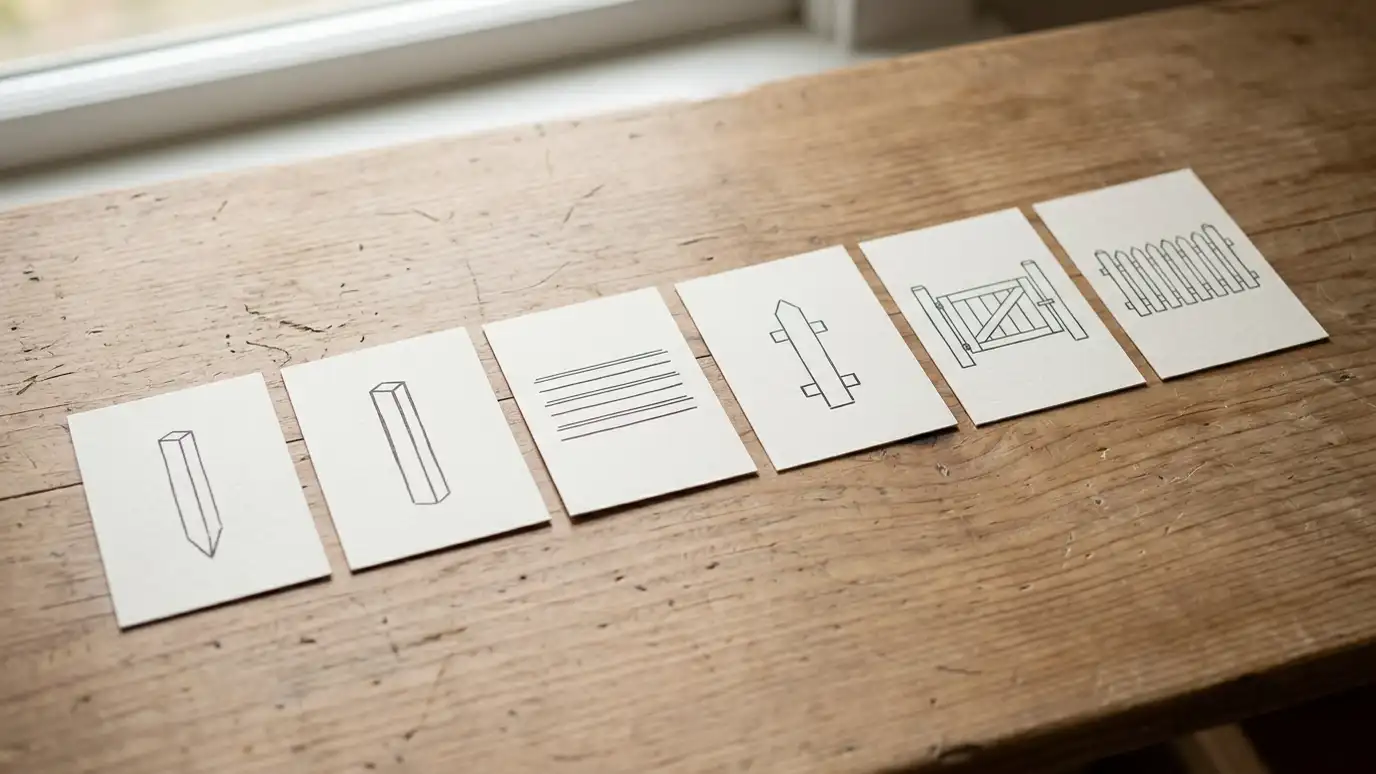
You tell us what you want the fence to do, and we set a visit that fits your day.
We walk the line, measure runs and gates, note slope, trees and utilities and talk through your goals.
You receive a plain written scope with style, height, materials, gates and price before anything begins.
We stake the line, request utility marking where needed and set posts plumb and aligned.
We frame the fence, install pickets or panels and hang gates with strong hinges and latches.
We clean up, walk the fence with you, show how gates work and explain care.
Visible board, vinyl rail or coated rail fences with no sharp edges are common choices. Wire needs care and a top rail.
Four to five feet is common, depending on the horses and use.
Many owners do, to keep horses off the fence and reduce damage.
Smaller gaps or added rails keep foals from getting through or caught.
Yes. We plan rails, gates and safety features for riding areas.
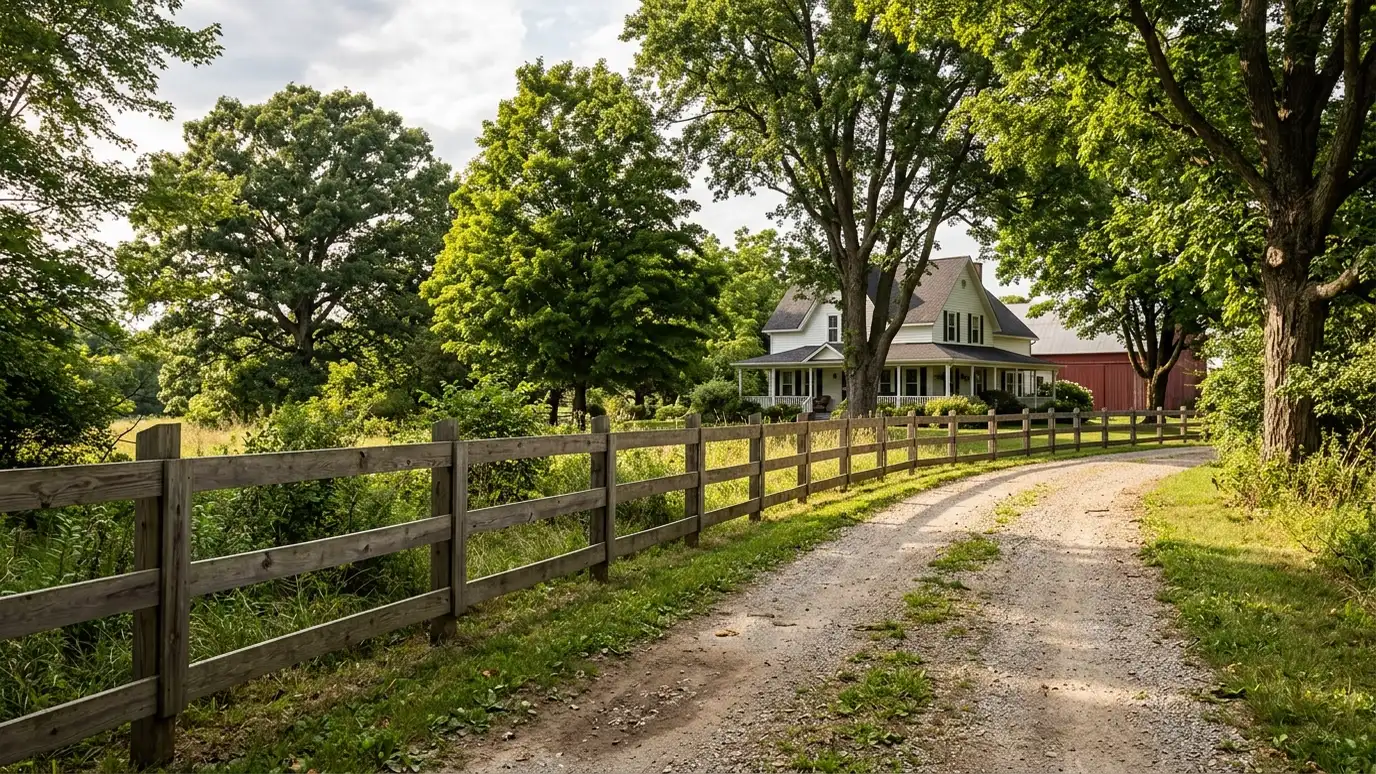 Ranch and Post and Rail FencesRanch-style post and rail fences with two, three or four horizontal rails for horse farms, large lots, driveways…Explore
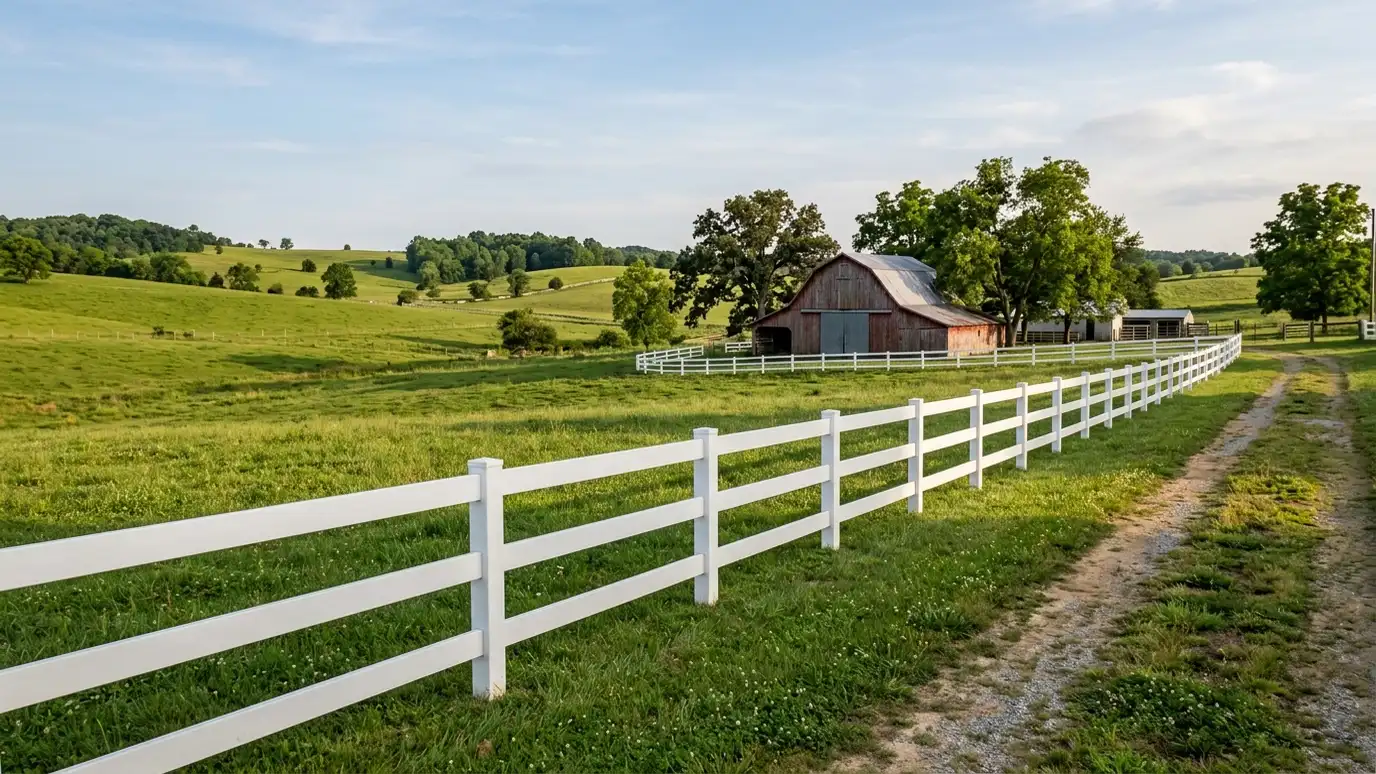 Vinyl Ranch and Rail FencesWhite vinyl ranch and rail fences with two, three or four rails for horse farms, driveways and large…Explore
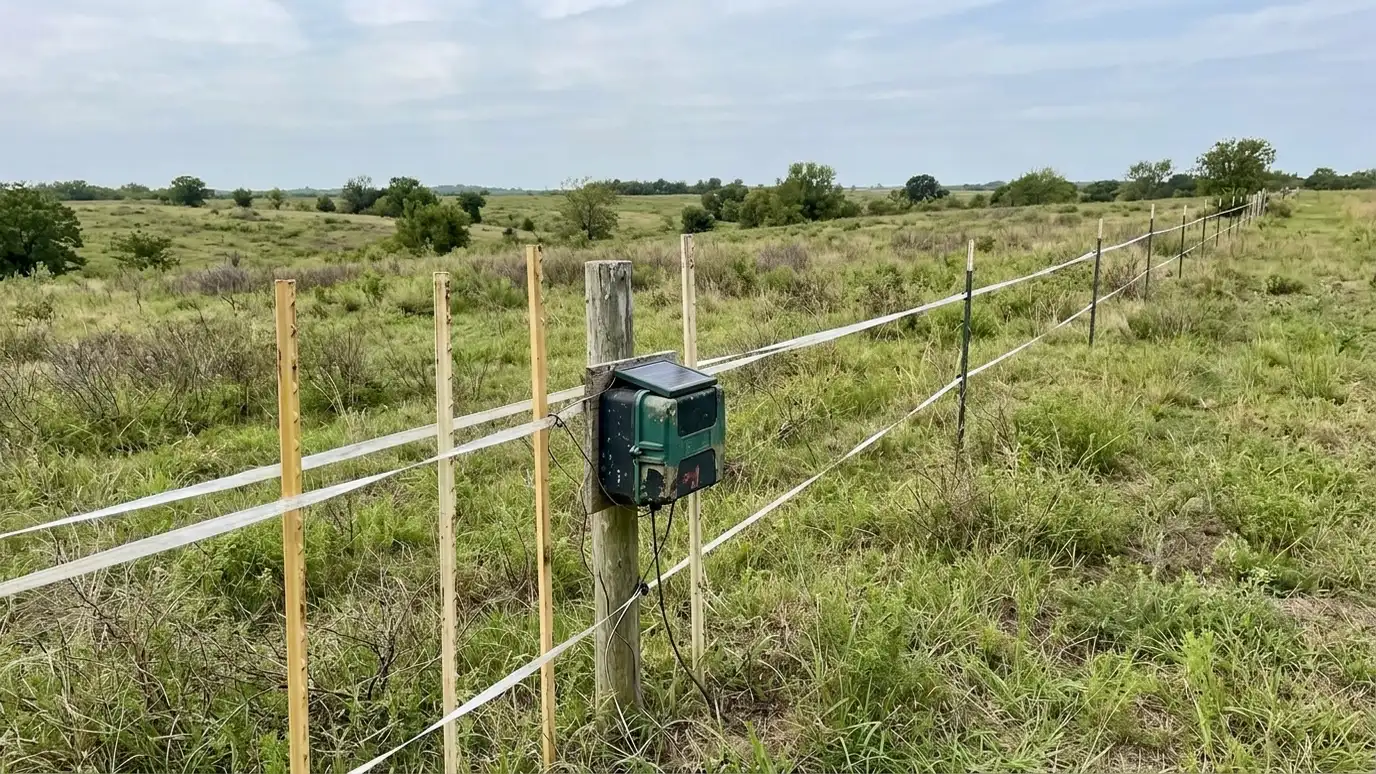 Electric FencesElectric fence systems with energizers, wire or tape, insulators and grounding for pastures, rotational grazing and added protection…Explore
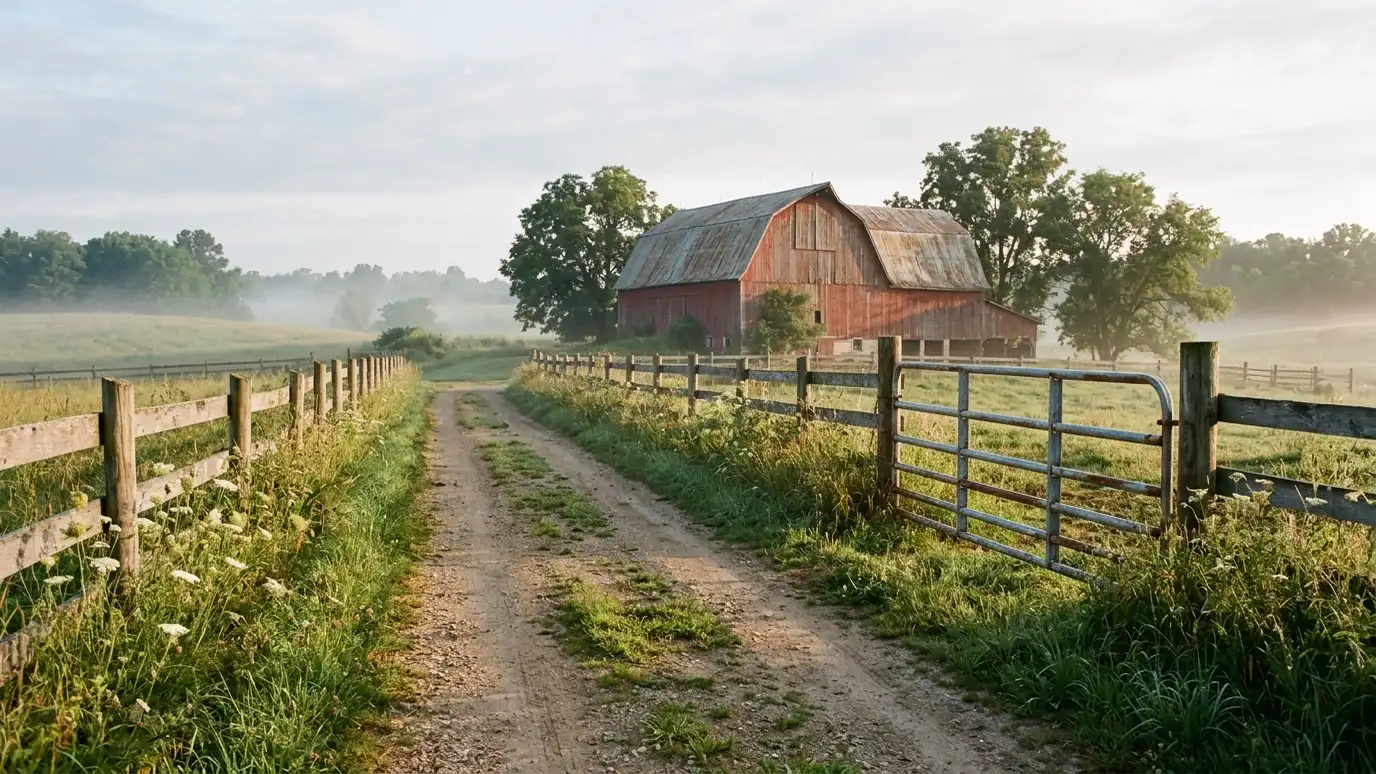 Farm and Barn FencingFencing for farm lanes, barns, paddocks, gardens and hay storage, with pipe gates, board and wire fencing and…Explore
Tell us about your property and we will call you back to set up a visit.
Or call (615) 357-7797 to talk now.