Length and height come first
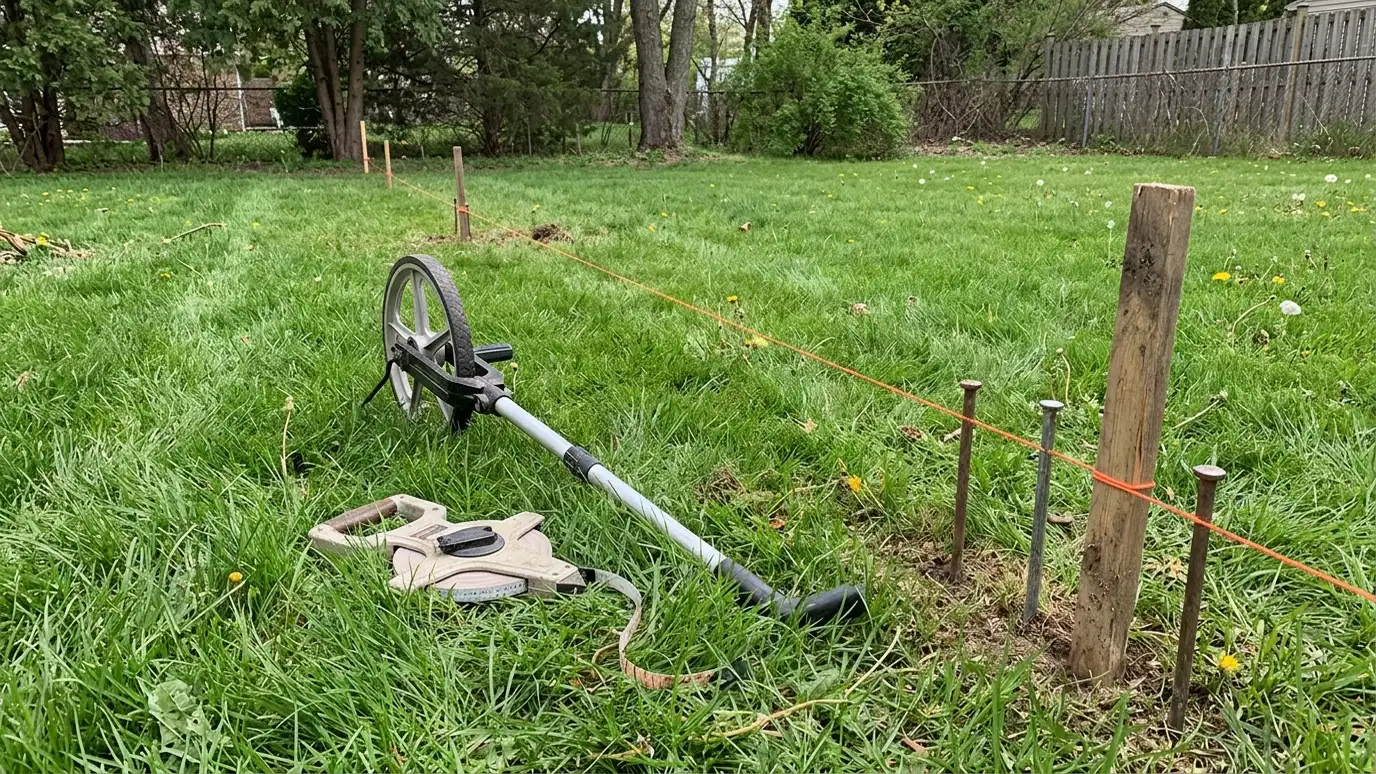
Length is the starting point, measured in linear feet along the fence line, and height multiplies the material in every foot. A six-foot fence uses far more material than a four-foot one.
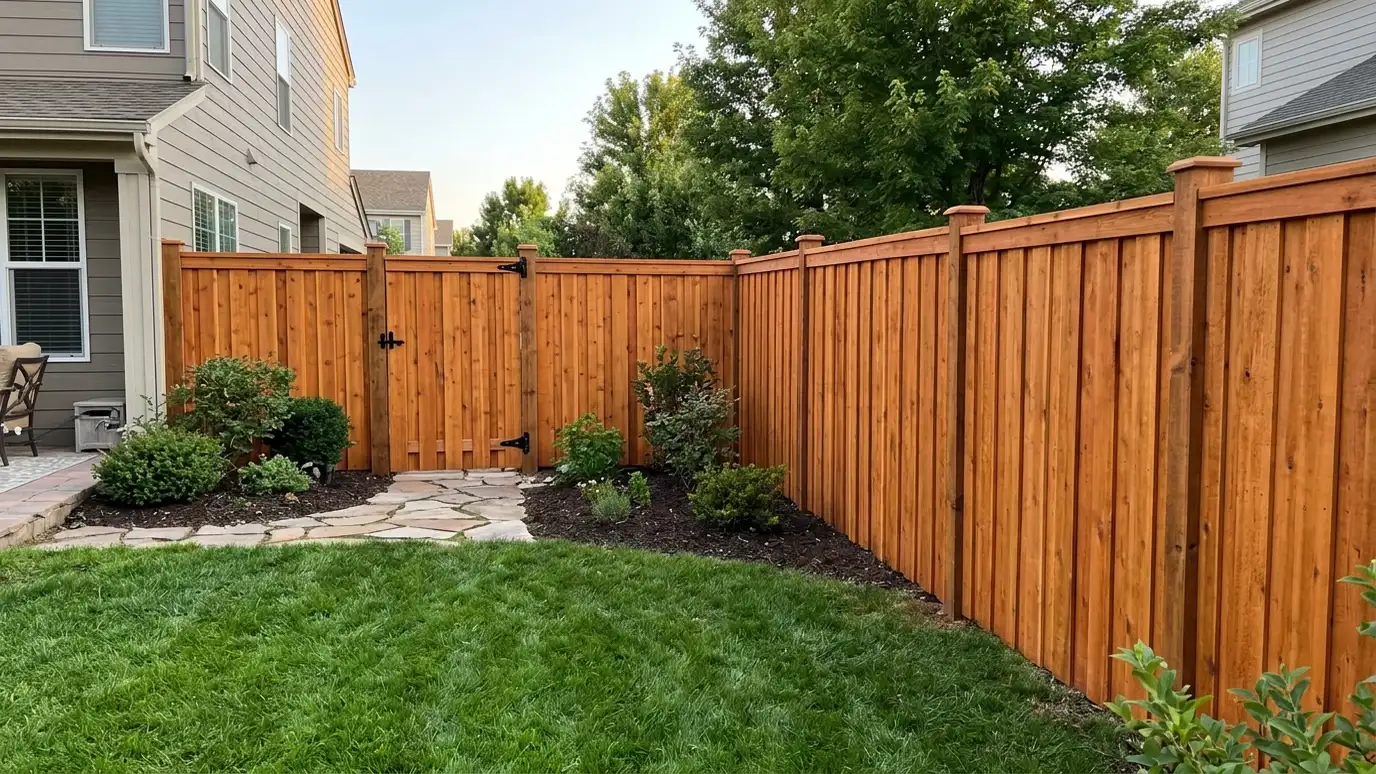
Corners, gates and changes in direction add posts and labor even when the footage is the same.
Ask every company how it measured your line, so you compare quotes for the same fence.
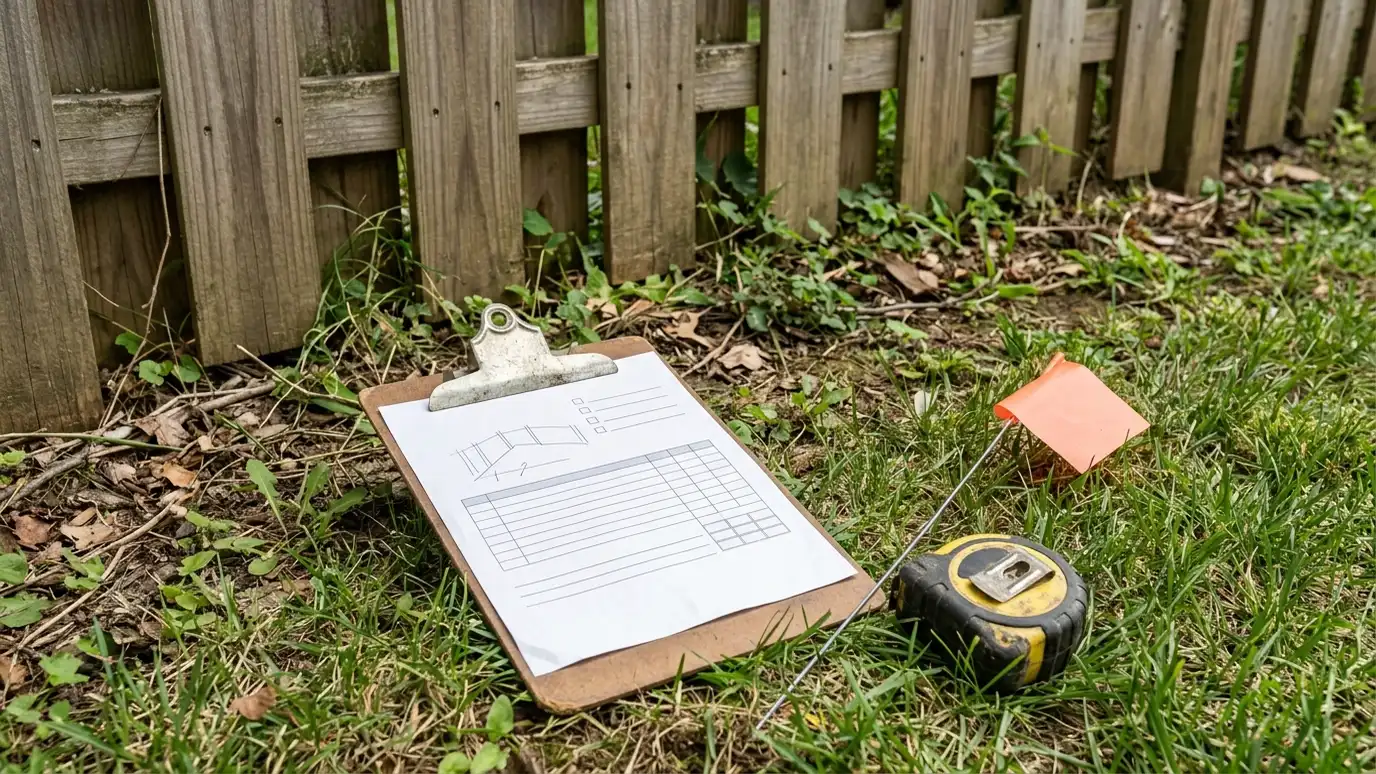
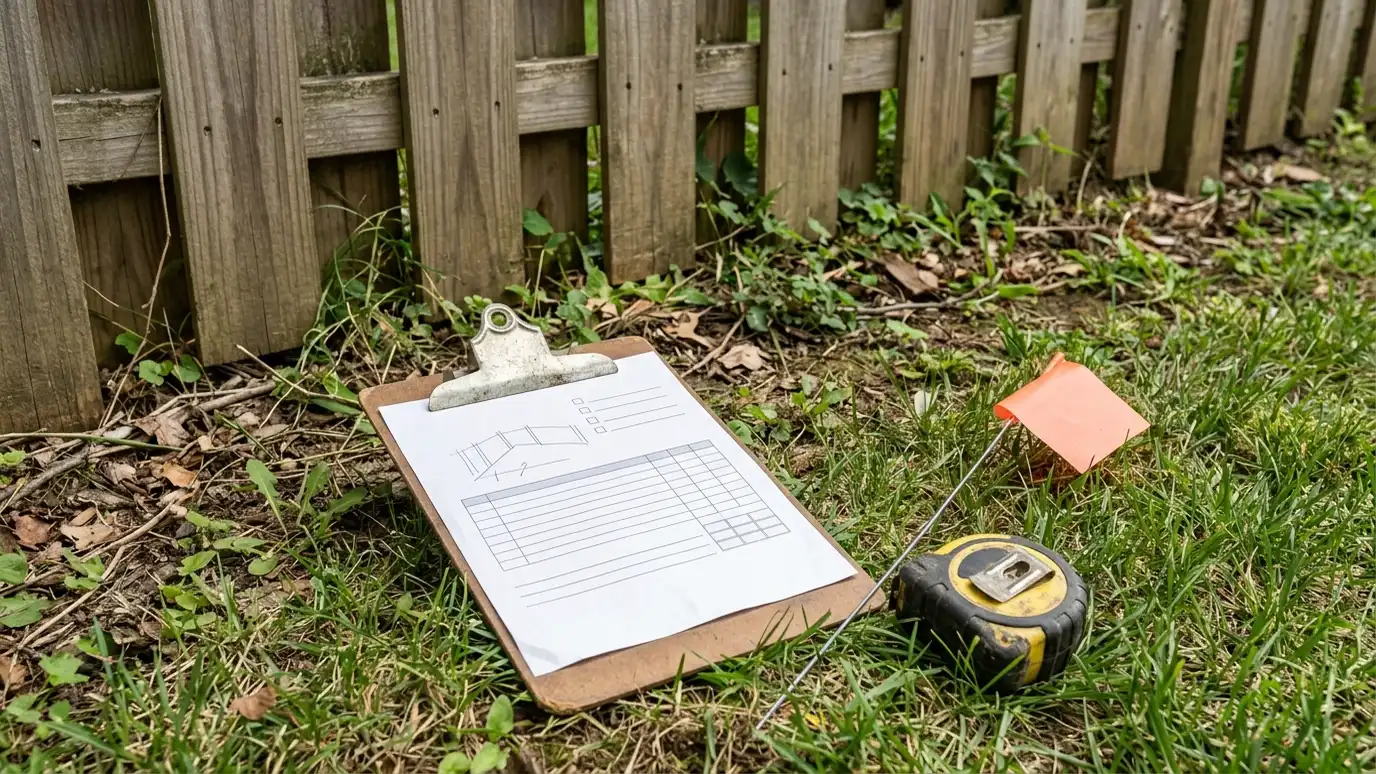
Before you call anyone, walk the fence line and count corners and gates. Corners add posts, gates add hardware and every change of direction takes more time than a straight run. Sharing a rough sketch with the estimator helps them prepare, and it helps you notice when two quotes describe different fences.
Material choice
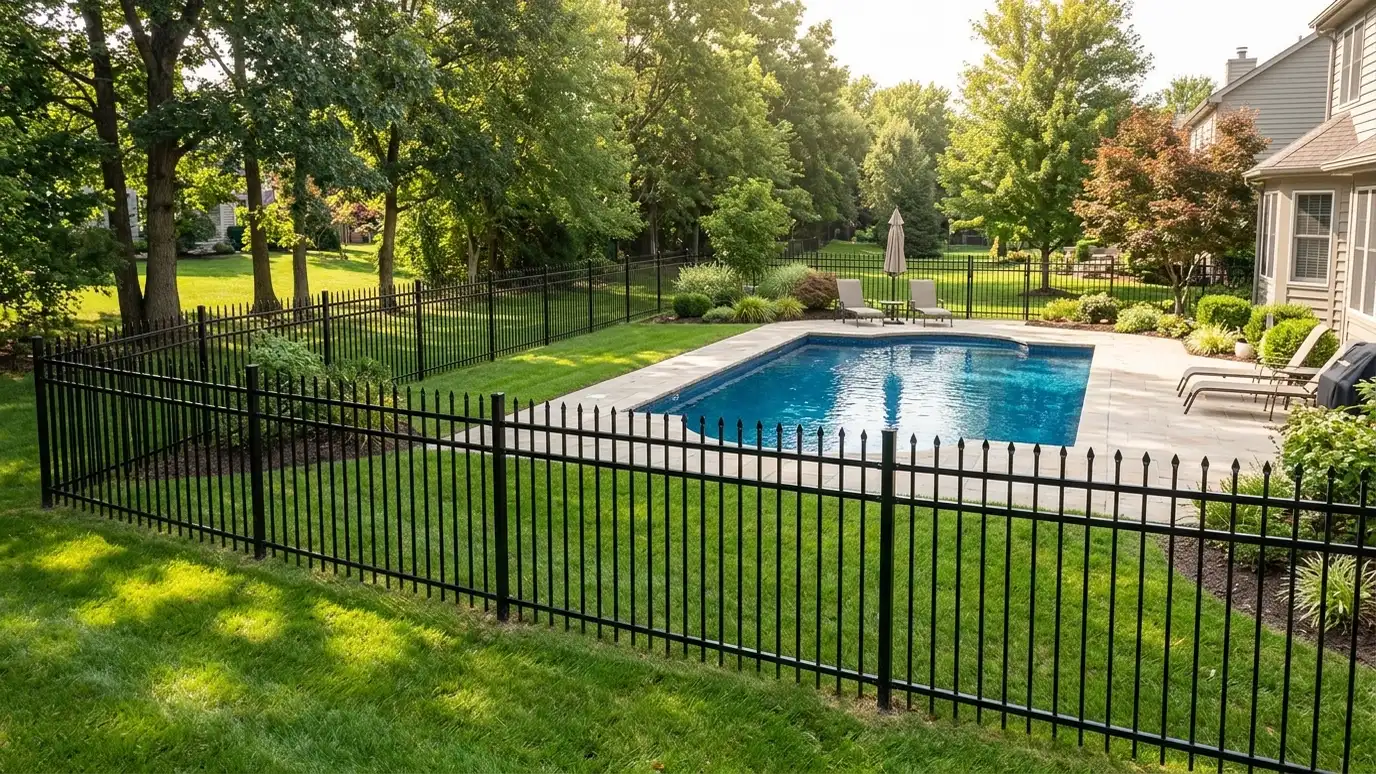
Pressure-treated pine, cedar, vinyl, aluminum, steel, composite and chain link each have a different cost per foot, a different life and a different upkeep.
A lower cost today can mean more staining, repair or replacement later, and a higher cost today can mean years of little care.
We lay out the trade-offs honestly so you can weigh them against how long you plan to stay.
Think about the whole life of the fence, not only the day it goes in. A material that needs staining every few years has a cost in time and product, and one that needs little care has a higher cost up front. Be honest with yourself about how much upkeep you are willing to do.
Posts, footings and ground
Posts and footings are the part nobody sees, and they decide how long a fence stands. Deeper holes, concrete and larger posts add time and material.
Rock, roots, clay, slopes and high water tables slow digging and change the plan.
A quote that skips posts details may be leaving out the part that matters most.
If you can, ask what is in the ground. Post depth, hole width and whether the posts are set in concrete or gravel are simple questions with long consequences. A good estimator answers without hesitation and explains why the choice suits your soil.
Gates and hardware
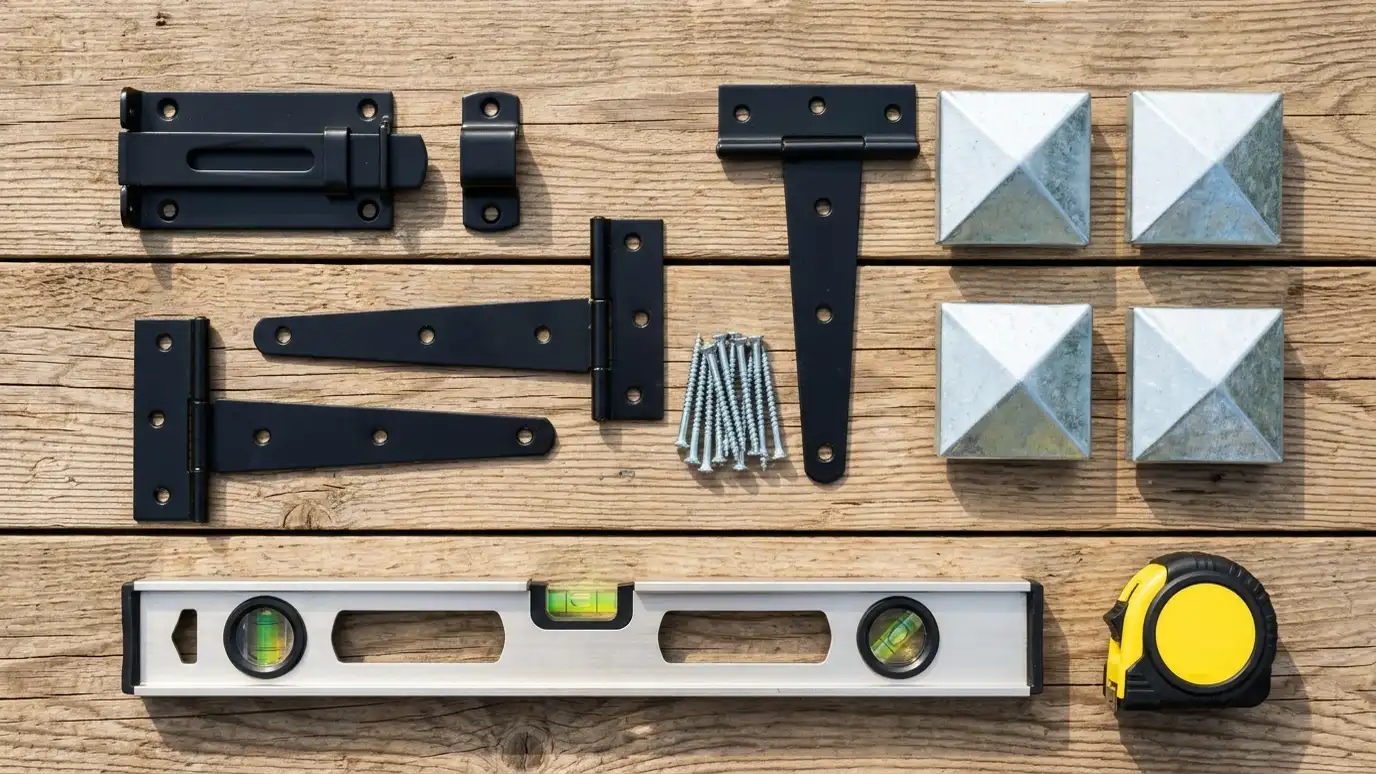
Walk gates, drive gates, openers, keypads and heavy hinges add cost, and a single double gate can cost as much as a good length of fence.
Hardware quality shows up in how a gate swings after a few seasons.
Decide on gate locations and types early so every quote includes them.
Make a list of every gate you want, including the small ones for the mower and the meter. A walk gate that seems minor can change how you use the yard every day, and adding it later costs more than building it in. Ask each company to price gates separately so you can compare them.
Access, slopes and removal
Tight access, steep yards, long carries from the street and old fences to remove all add time.
Haul-off, stump removal and utility marking may or may not be in a quote.
Tell the estimator about these details early, and you will get a more precise number.
Take photos of the fence line, the slope and any old fence that has to go. Photos help estimators see what you see, and they can reduce surprises on build day. If trees, rocks or utilities are close to the line, mention them early.
Comparing quotes fairly
Give each company the same information and ask for the same breakdown: length, height, style, materials, post size and depth, gates, hardware, removal, cleanup, timeline and exclusions.
A low quote that leaves out half of those is not a bargain, and a high quote may simply be more complete.
Our bid scorecard helps you line up quotes using your own priorities.
Keep a copy of every quote and highlight the differences. When two quotes differ by a lot, the reason is usually in the scope, the posts or the materials. Ask each company to explain the difference, and you will learn more than any price list can teach.
Compare scope and materials before price: length, height, post details, gates and cleanup should be written down in every quote.