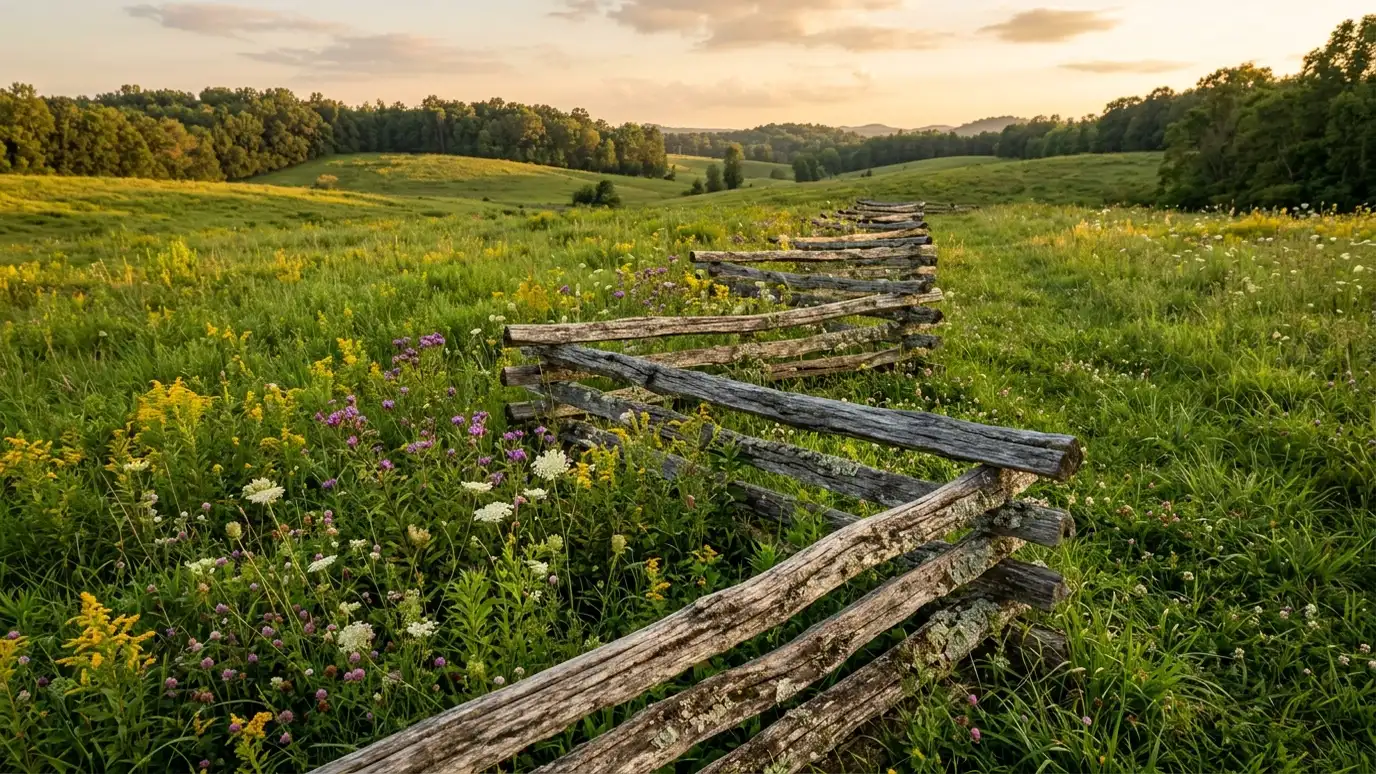
Rustic split rail fences with posts and stacked rails that mark boundaries, frame driveways and suit rural properties without blocking views.
Split rail fencing is the rustic, open fence you see along country lanes. Rough-cut rails slide into posts to mark a boundary, line a driveway or frame a field without hiding the view. Owners in Nashville and across Middle Tennessee choose split rail for large lots, wooded properties and entrances where the look matters more than containment.
We start with a Free Estimate, walk the line and talk about how you will use the fence. Posts are set with mortised holes, rails are stacked in two or three high and corners are braced so the fence stays straight. We explain that split rail marks a boundary but does not keep small pets in, and we discuss adding wire mesh behind it to contain pets or keep wildlife out. Split rail is as much about the look of the land as the boundary. Straight lines over rolling ground look odd, so we follow the contour and set corners and gate posts with care. If you want to keep pets in, we can add wire behind the rails, and if you want to keep the rustic look, we can place the wire on the inside where the rails hide most of it.
The rails frame the view rather than block it, which suits lots with woods, fields and long sight lines.
Posts and rails adapt to uneven ground, so the fence follows the land naturally.
Welded or woven wire behind the rails turns the look into a pet-friendly or wildlife-resistant barrier.
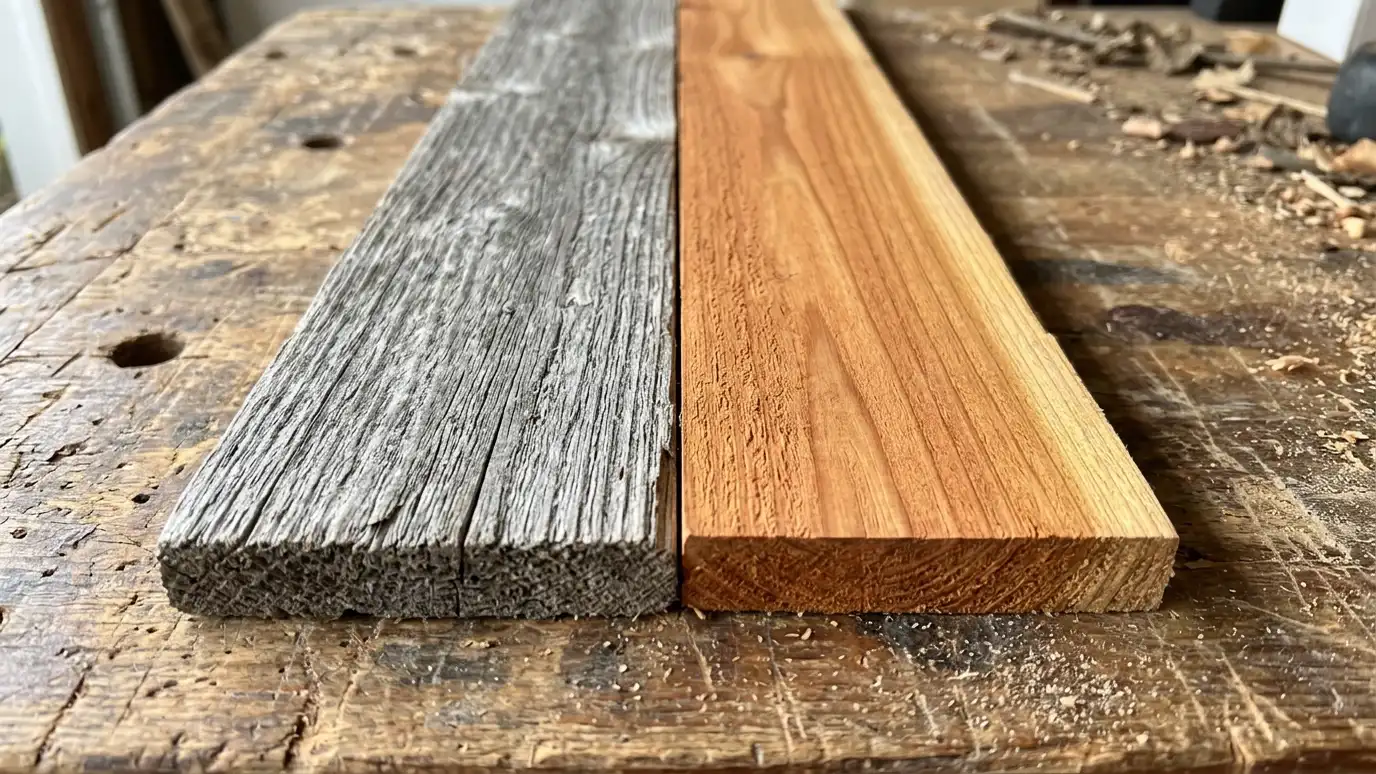
Cedar, locust and treated pine are common. We explain how each ages and what it costs to maintain.
Line, corners and gates located.
Wood species and rail count picked.
Mortised and set to a sound depth.
Joined cleanly and braced at corners.
Mesh fastened behind the rails.
Lines, gates and cleanup checked.
Every topic has its own page with what to expect and how we approach it.
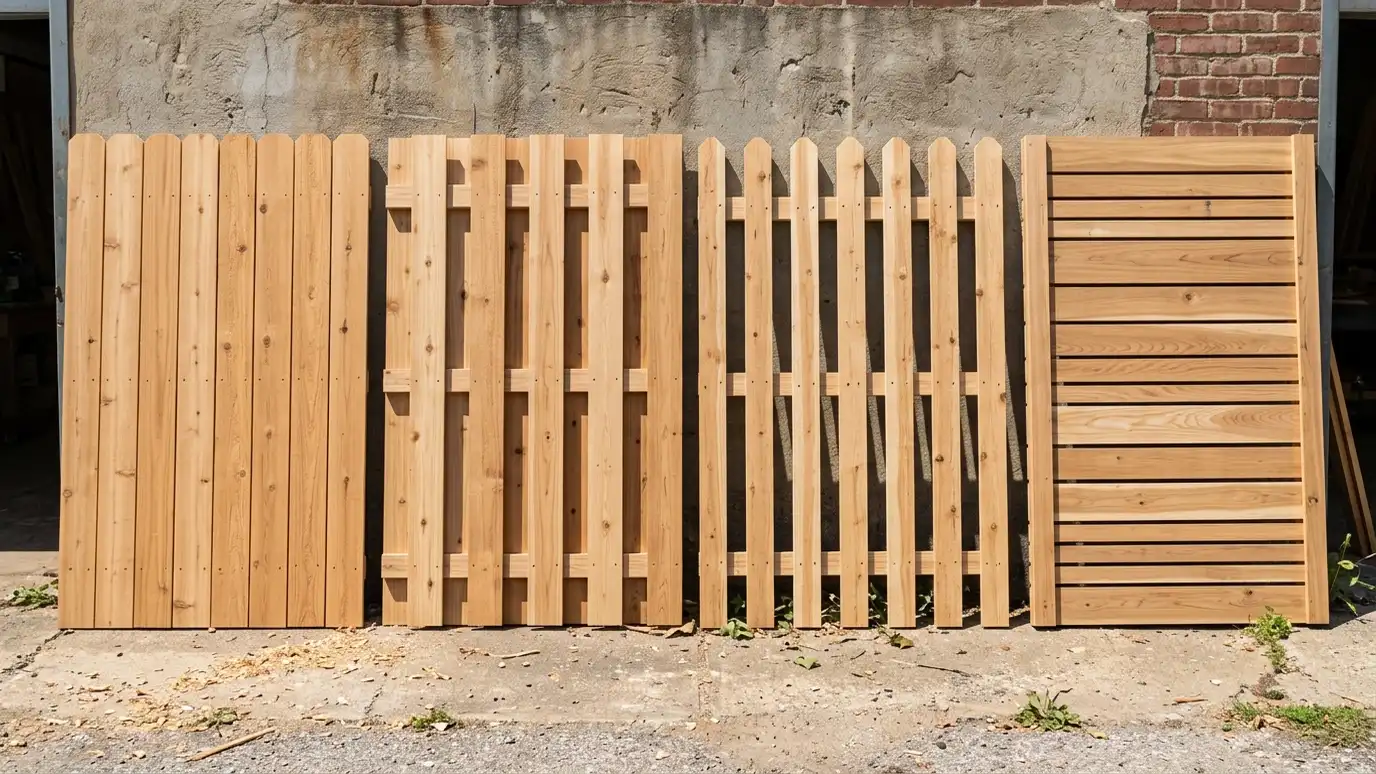 Comparison guideWood Fence TypesHow solid privacy, board-on-board, shadowbox, picket, split rail and horizontal slat wood fences differ in look, privacy, wind…Learn more
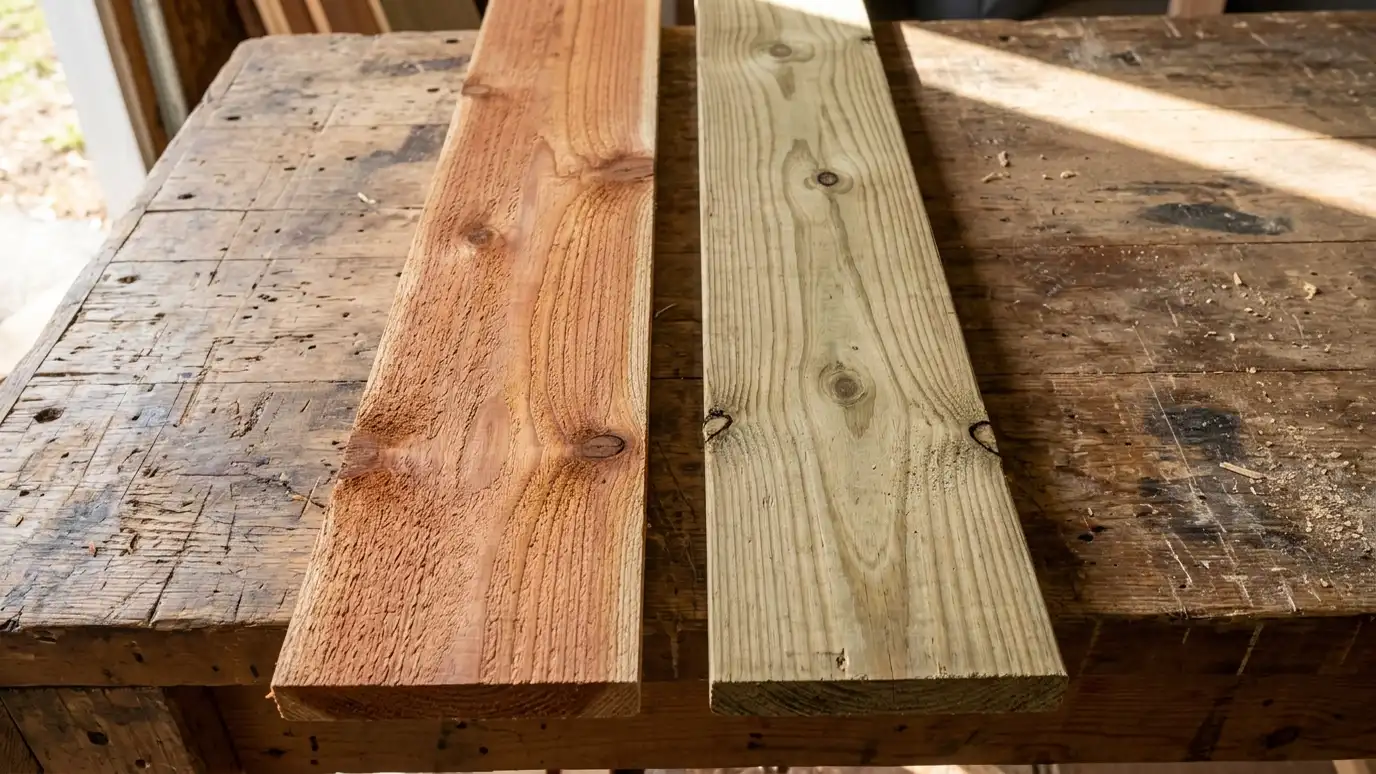 Comparison guideCedar vs Treated PineHow cedar and pressure-treated pine fences differ in look, stability, rot resistance, finishing, cost and care.Learn more
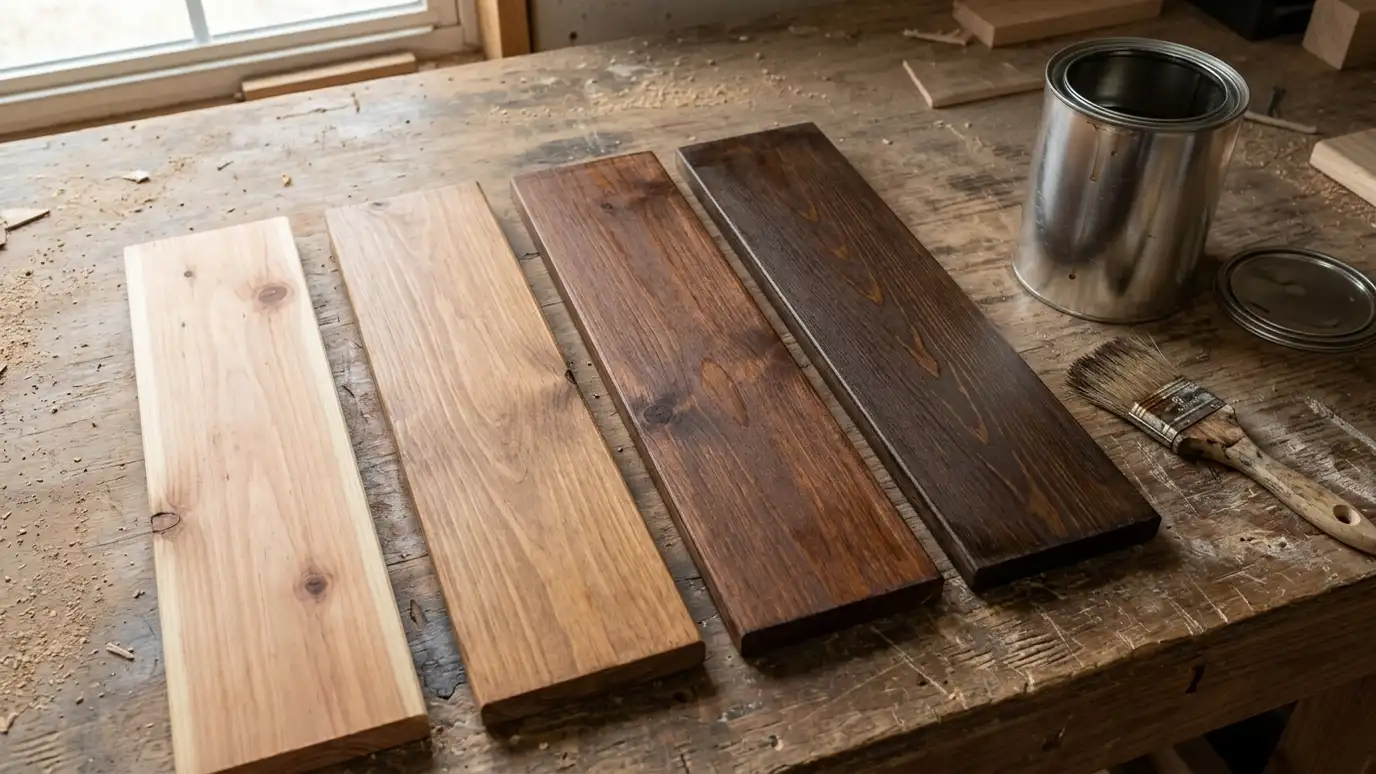 Comparison guideStain and Sealer ComparedHow clear sealers, semi-transparent stains and solid stains differ in look, protection and upkeep on wood fences.Learn more
Pick a fence, gate, repair or finishing job, set the length and add extras to see a ballpark planning range. Placeholder values only.
You tell us what you want the fence to do, and we set a visit that fits your day.
We walk the line, measure runs and gates, note slope, trees and utilities and talk through your goals.
You receive a plain written scope with style, height, materials, gates and price before anything begins.
We stake the line, request utility marking where needed and set posts plumb and aligned.
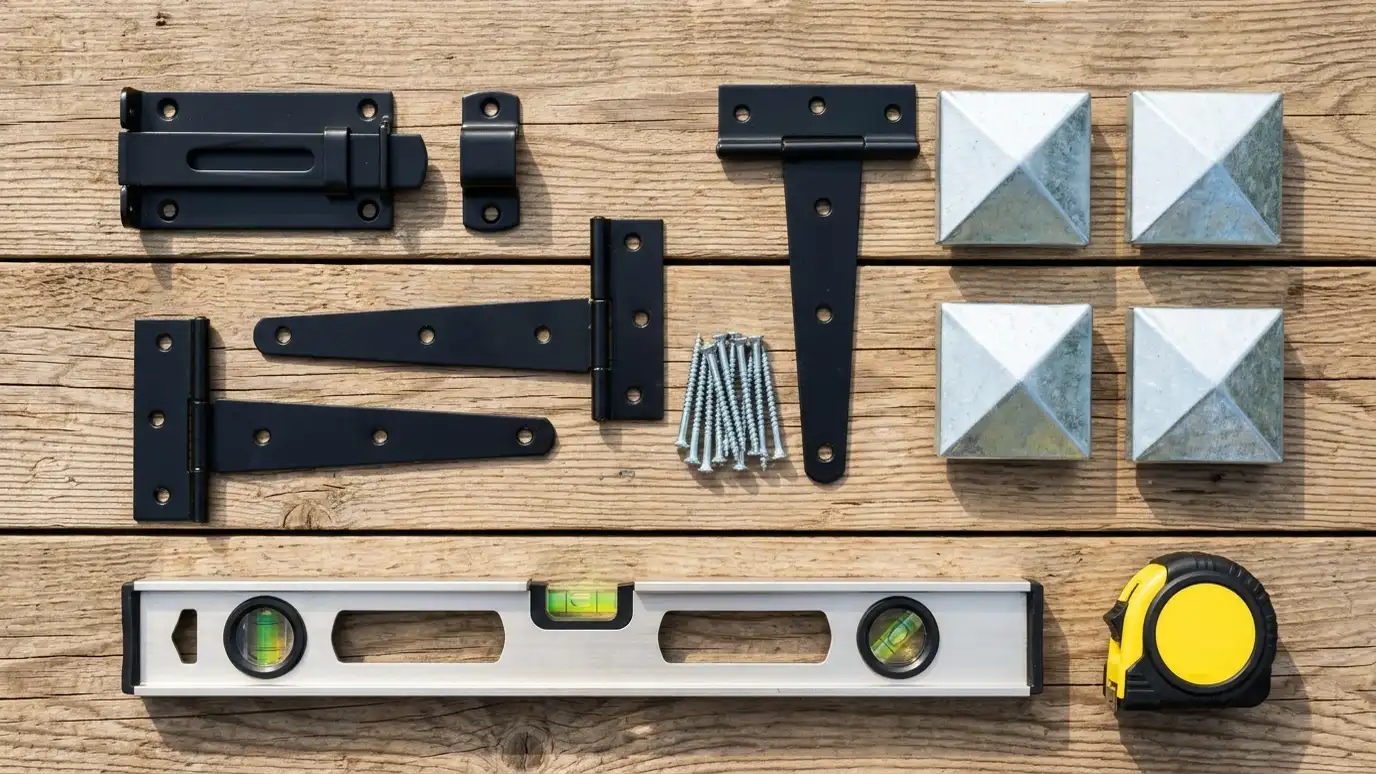
We frame the fence, install pickets or panels and hang gates with strong hinges and latches.
We clean up, walk the fence with you, show how gates work and explain care.
On its own, no, because the gaps are wide. Adding wire mesh behind the rails can make it secure for pets.
It depends on the wood, soil and weather. Rot-resistant species and good drainage help it last.
Yes. Posts and rails adjust to uneven ground.
It can mark boundaries, but animals need sturdier, taller designs. See our pasture fencing pages.
Yes, we can add posts and gates in matching style.
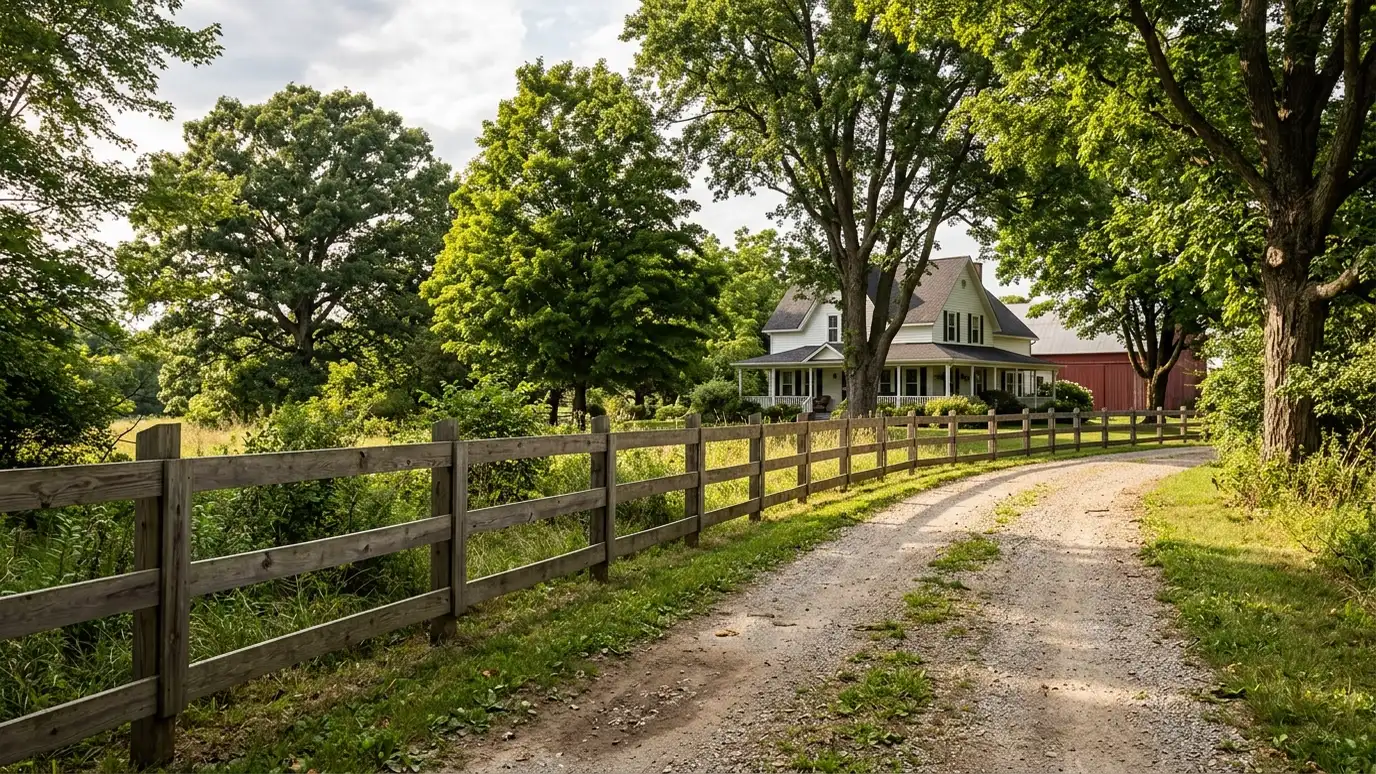 Ranch and Post and Rail FencesRanch-style post and rail fences with two, three or four horizontal rails for horse farms, large lots, driveways…Explore
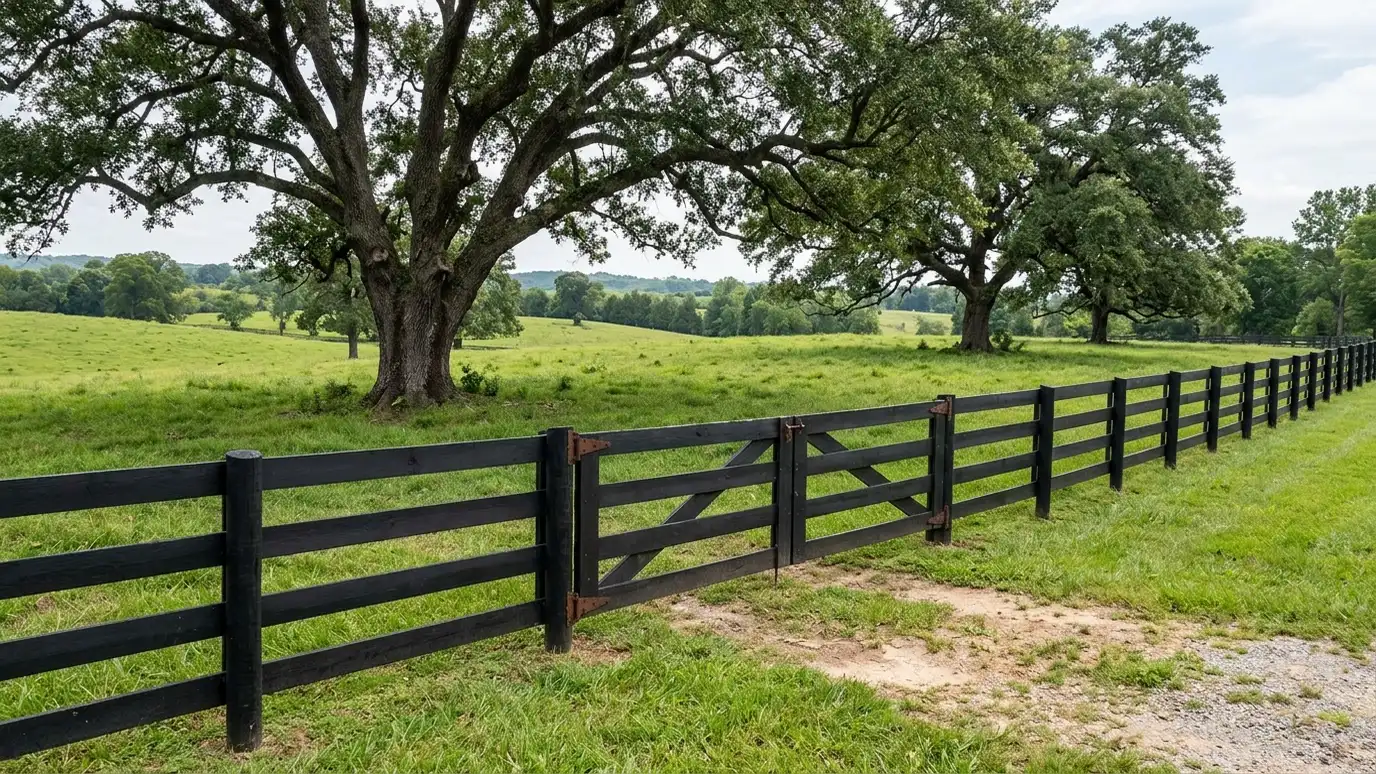 Horse and Pasture FencesSafe, visible horse fences in wood, vinyl and coated rail, with smooth surfaces, strong gates and tight lines…Explore
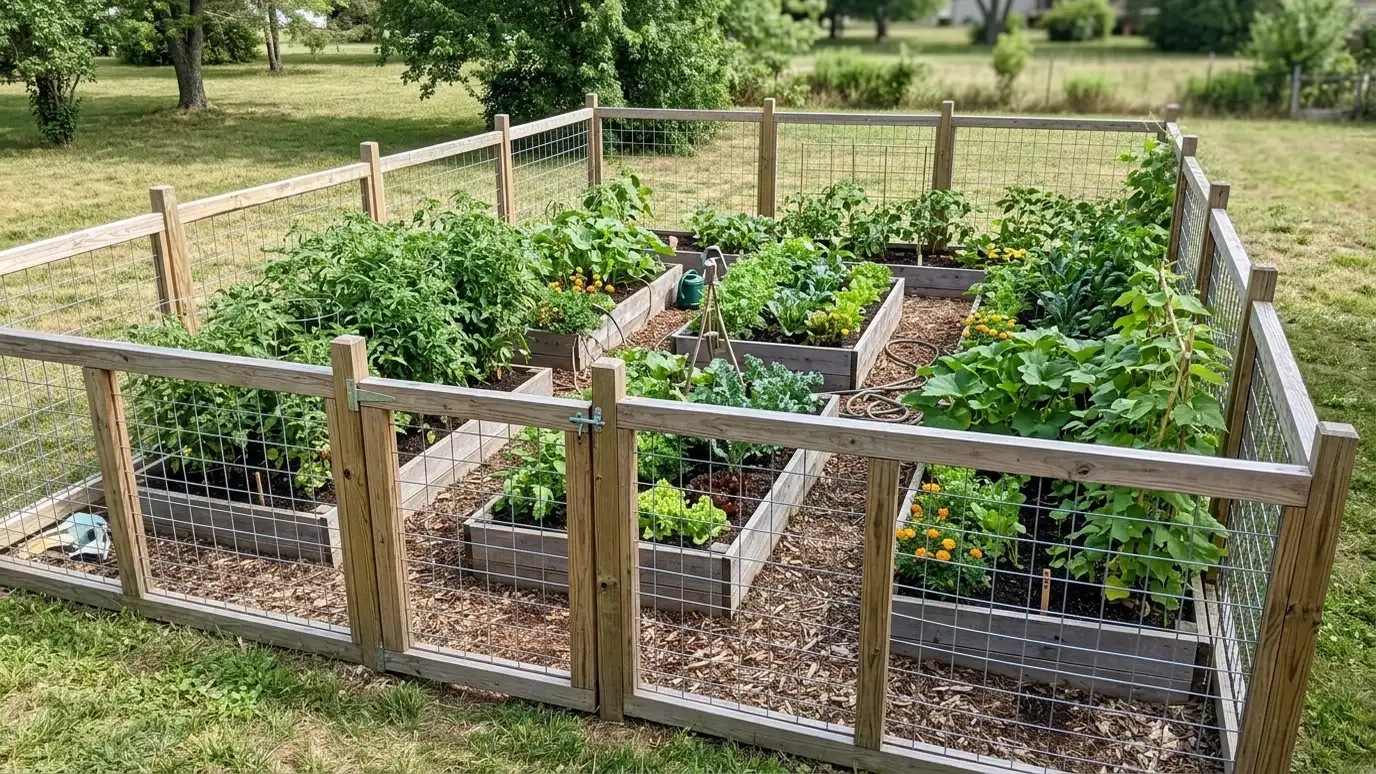 Welded Wire FencesWelded wire fences with a wood or steel frame for gardens, pet yards, play areas and clean, modern…Explore
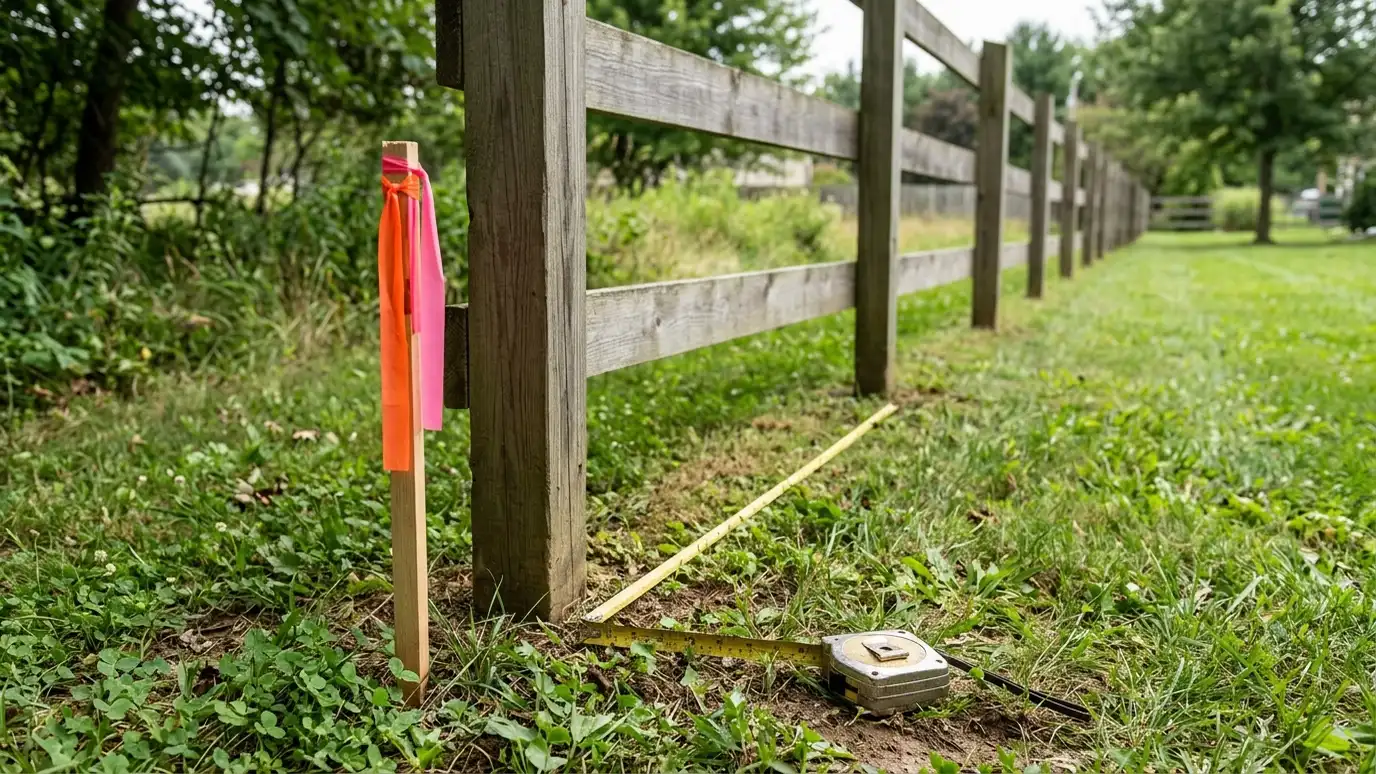 Property Line and Boundary FencesBoundary fences planned with property line markers, neighbor communication and clear written layouts so the fence goes where…Explore
Tell us about your property and we will call you back to set up a visit.
Or call (615) 357-7797 to talk now.