A barrier is one layer
Fences, covers, alarms, supervision and swim skills each protect in different ways, and none replaces the others.
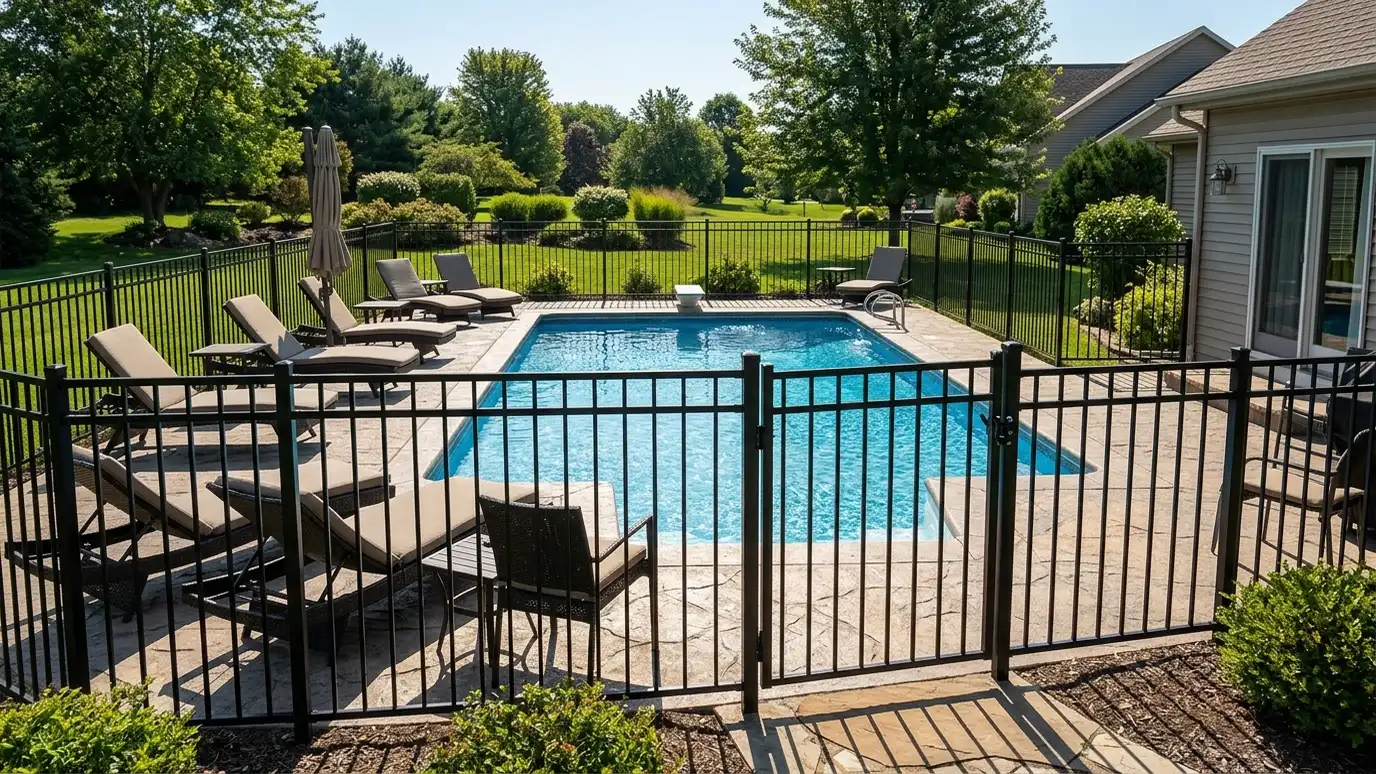
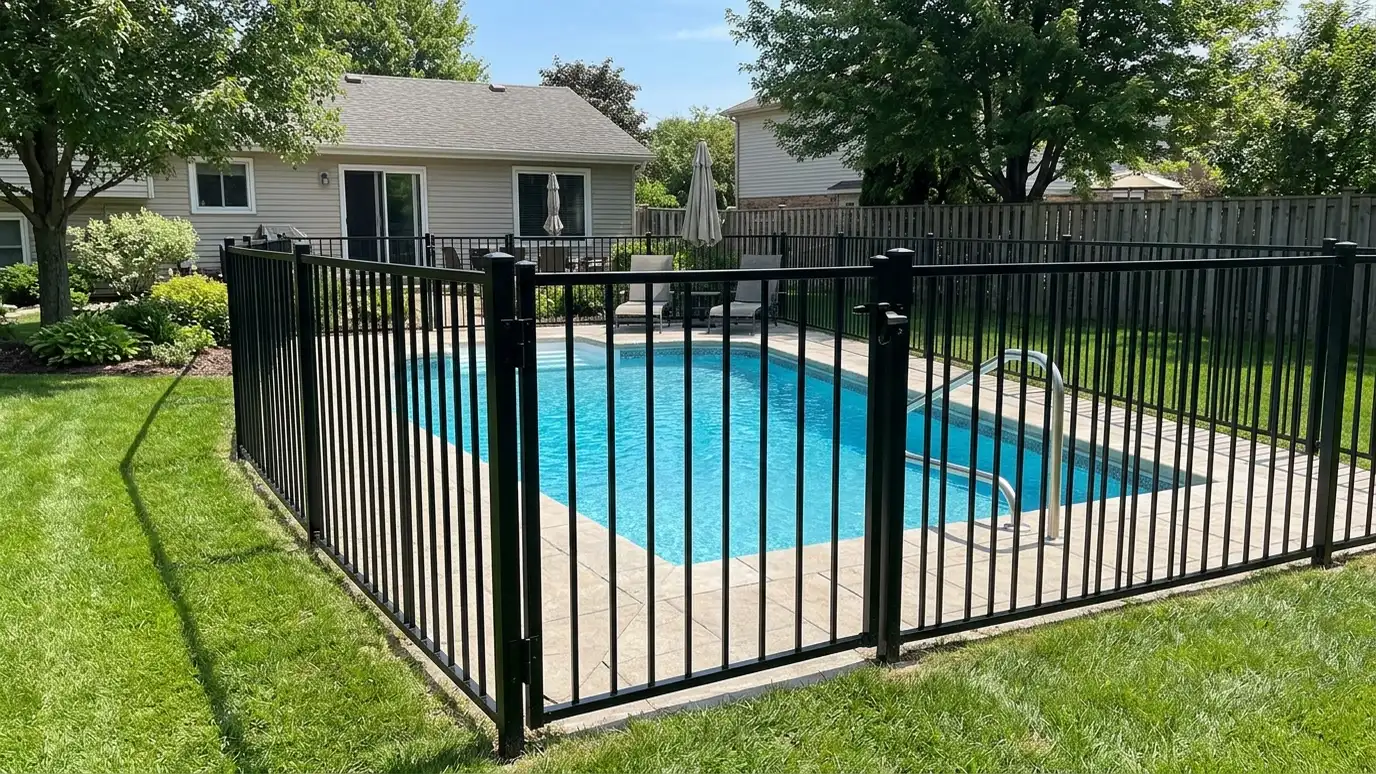
A fence keeps small children from reaching the water without notice.
Treat the barrier as part of a plan, not the whole plan.
Think of the pool fence as part of a safety plan with several layers. Add a pool alarm, a cover and a rule that children never swim alone. The fence handles one job, and the other layers handle the rest.
Climb resistance
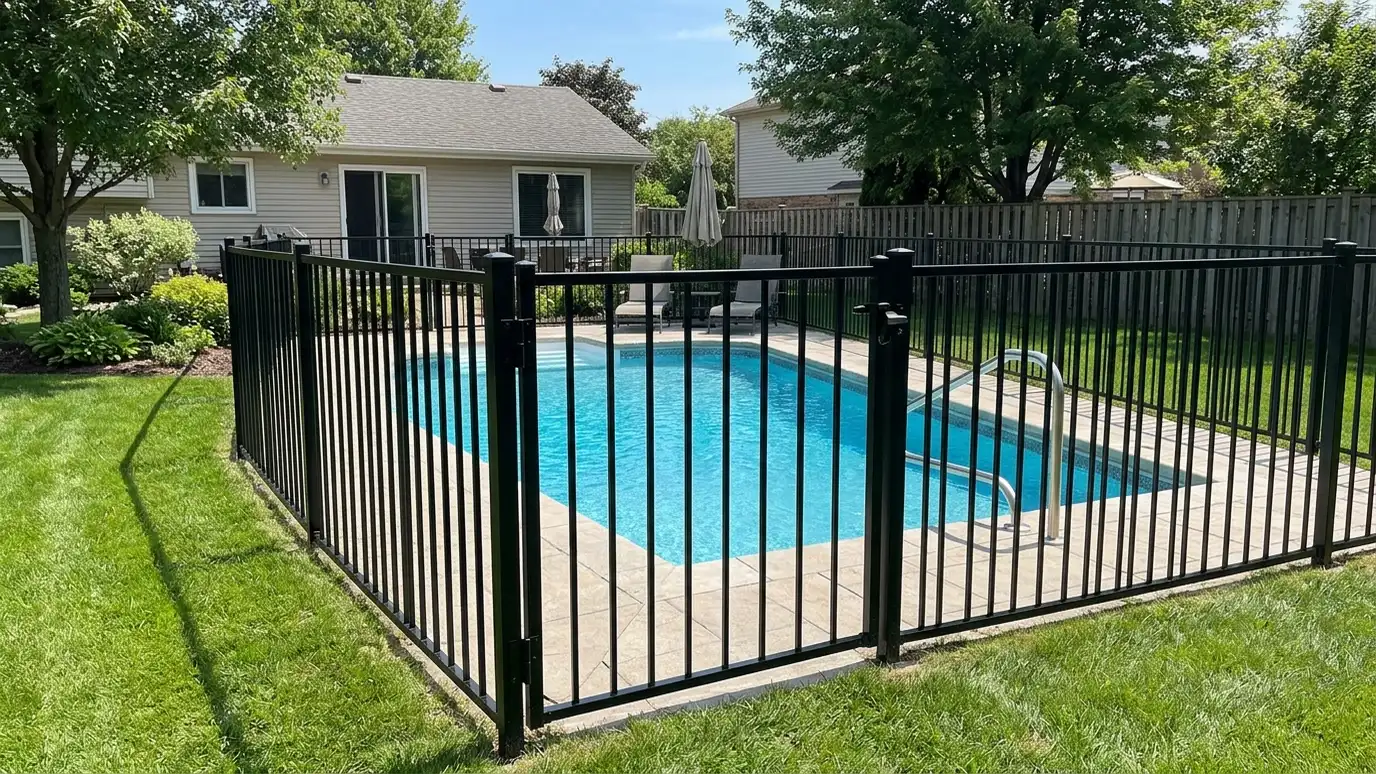
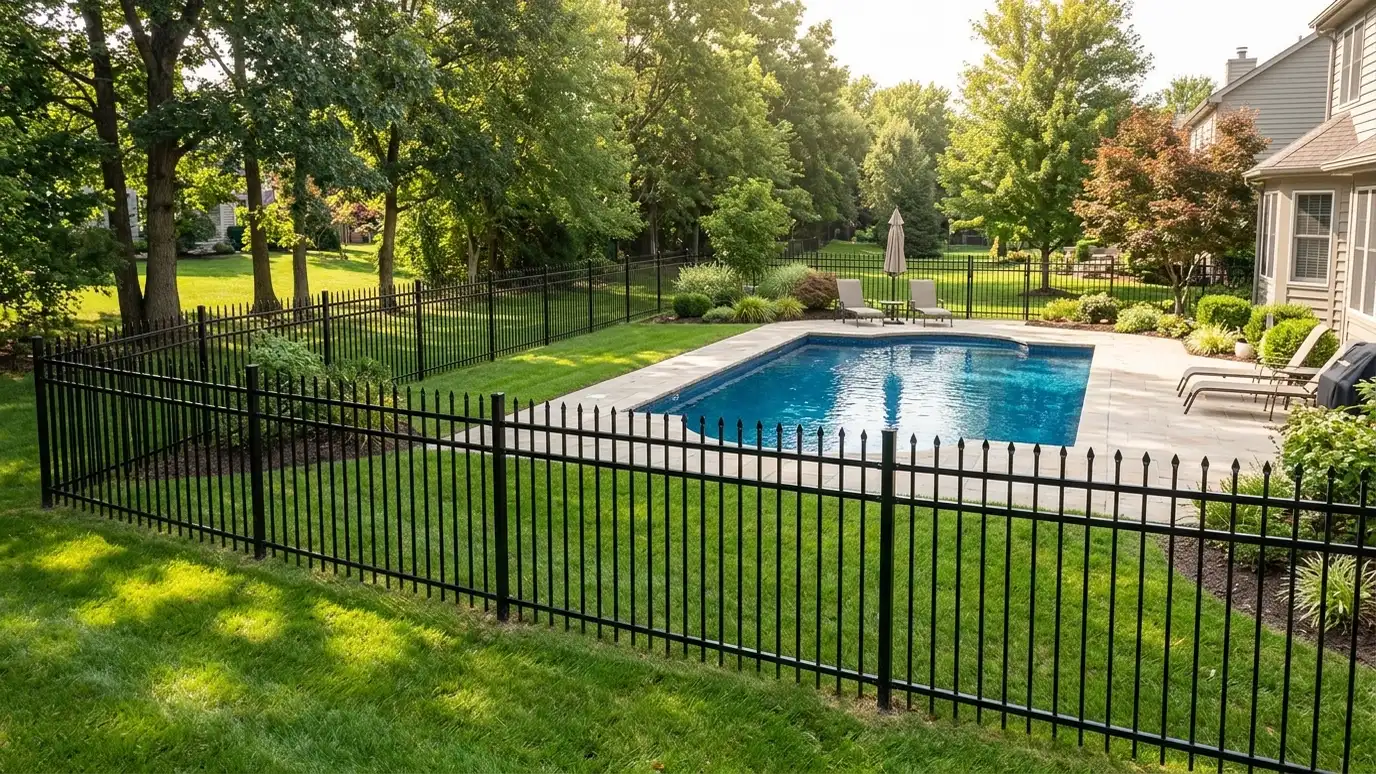
Vertical pickets with narrow spacing and no horizontal rails on the outside make a fence hard to climb.
Furniture, planters and grills near the fence can become steps, so keep them away.
We design with climbing in mind.
Look at the area around your fence. Patio furniture, planters and grills can help a child climb, and trees and branches can create footholds. Keep those items away from the fence.
Height and gaps
Fence height and the gap under the fence matter for safety. Check local requirements for your property.
Slopes can open gaps at the bottom, and we plan for them.
A small gap is a big difference.
Measure the gap between the bottom of the fence and the ground, and check any slopes. Small gaps matter for small children and pets. We plan the fence to keep gaps small along the whole line.
Gates
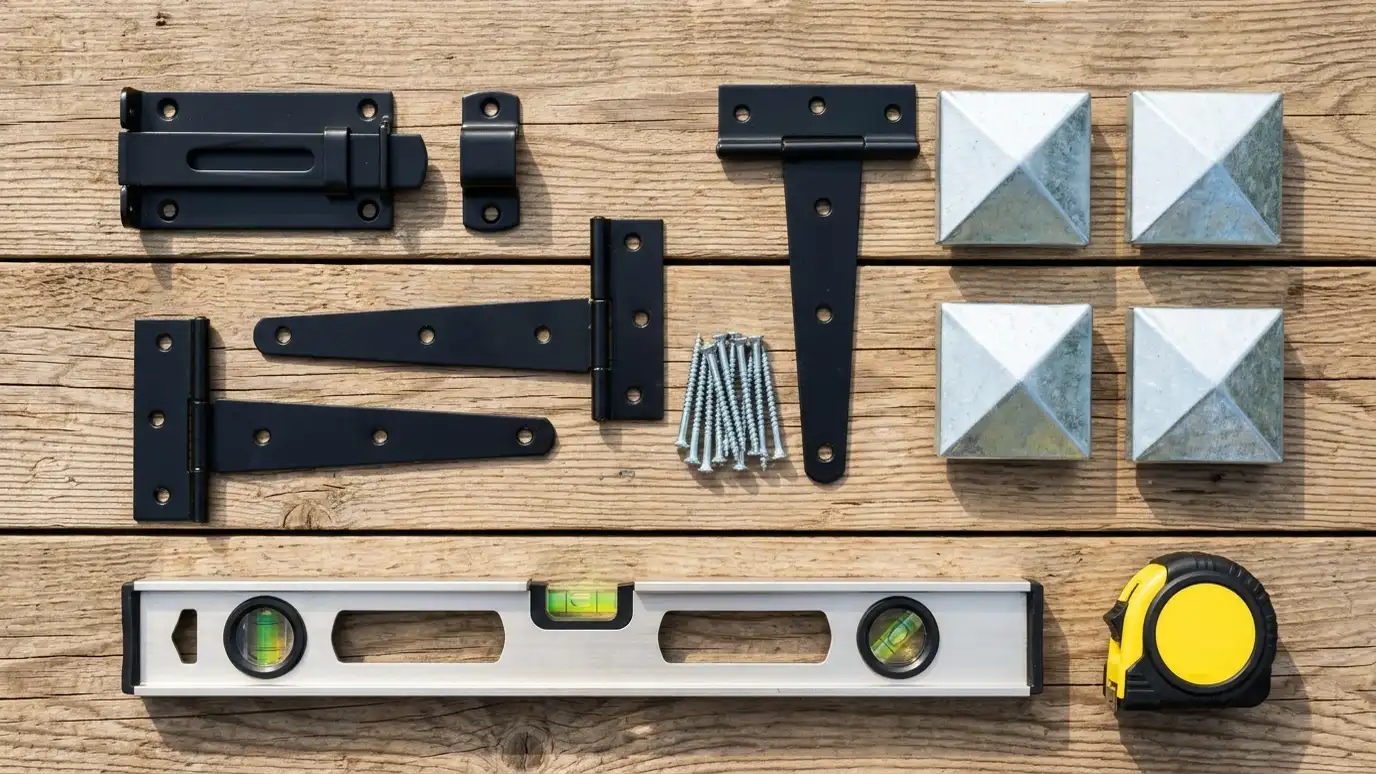
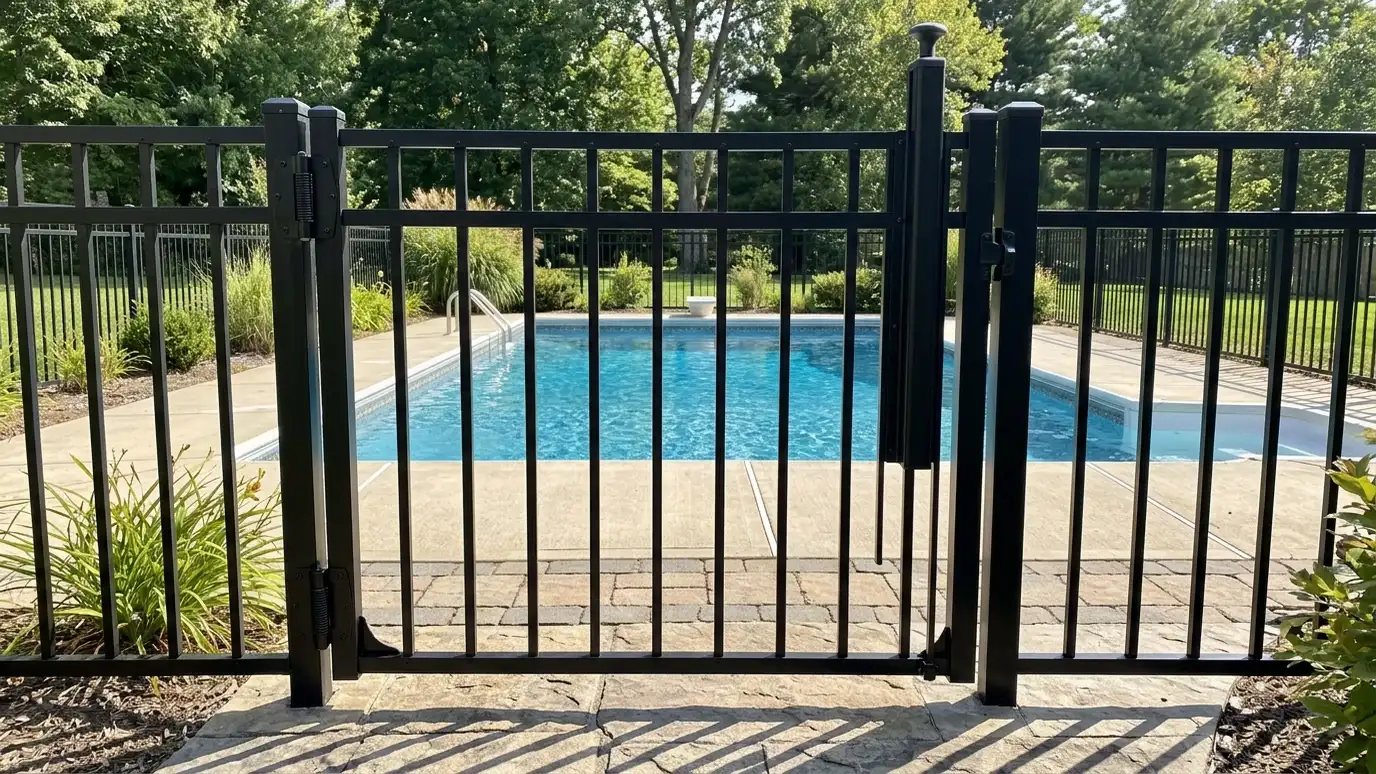
The gate should swing away from the pool, close by itself and latch at a safe height without help.
Self-closing hinges and self-latching hardware need adjustment now and then.
Never prop a pool gate open.
Pick gate hardware with care and test it often. The best latch is the one that works every time, and the best hinge is the one that closes the gate smoothly from every angle. Tension springs wear and should be checked.
Testing and upkeep
Open the gate wide and let it go. It should close and latch every time.
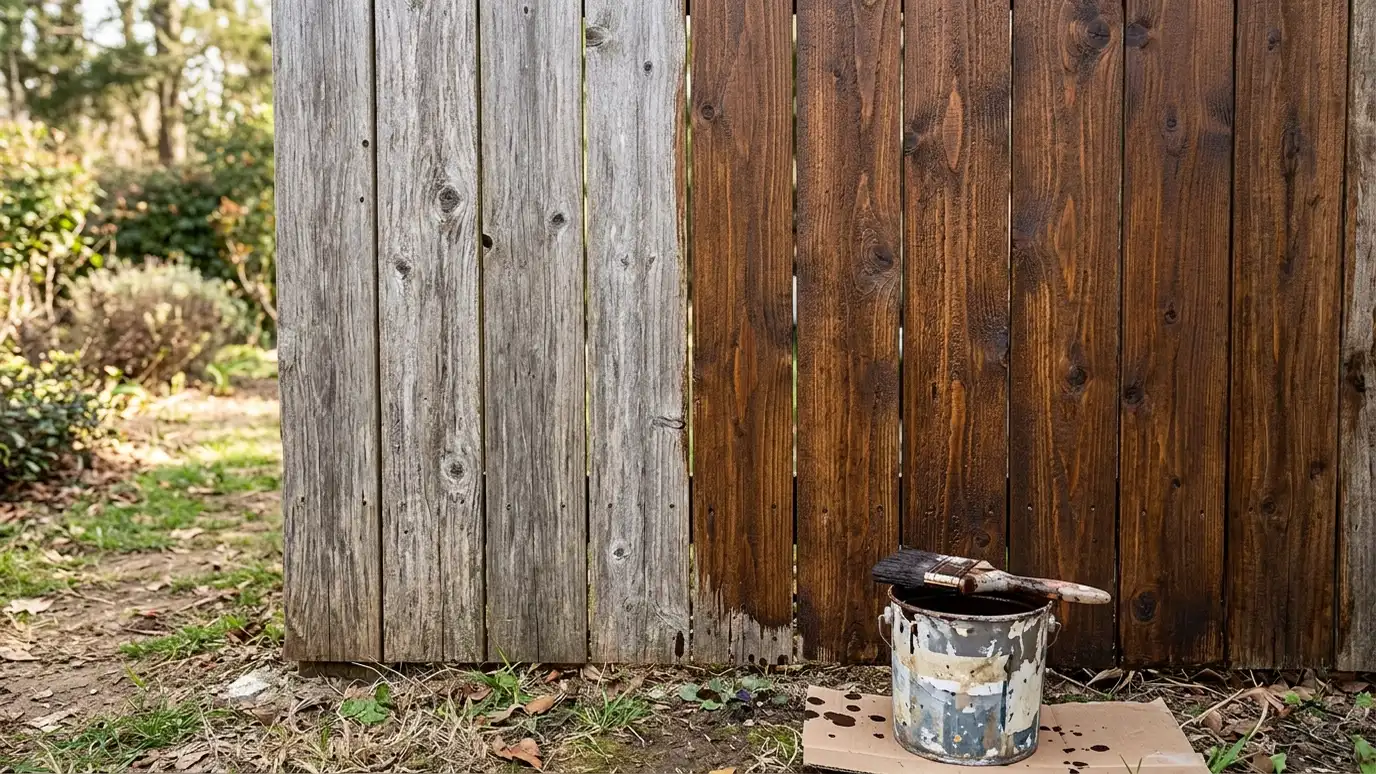
Check for sagging, rust, loose hinges and debris in the latch.
Fix problems right away.
Make gate testing part of your pool opening routine. Check it again after storms and after any visitors who may have left it open. A short habit protects people you care about.
Local rules
Pool barrier requirements vary by city, county and insurer. Confirm what applies to you.
We build to the plan you confirm and help you prepare drawings.
Keep records of approvals and inspections.
Keep your permits, inspection records and product information together. They may matter if you sell the home or change insurers. We provide drawings and details to help you build that file.
Use a climb-resistant fence with a self-closing, self-latching gate, test it often and confirm local requirements.