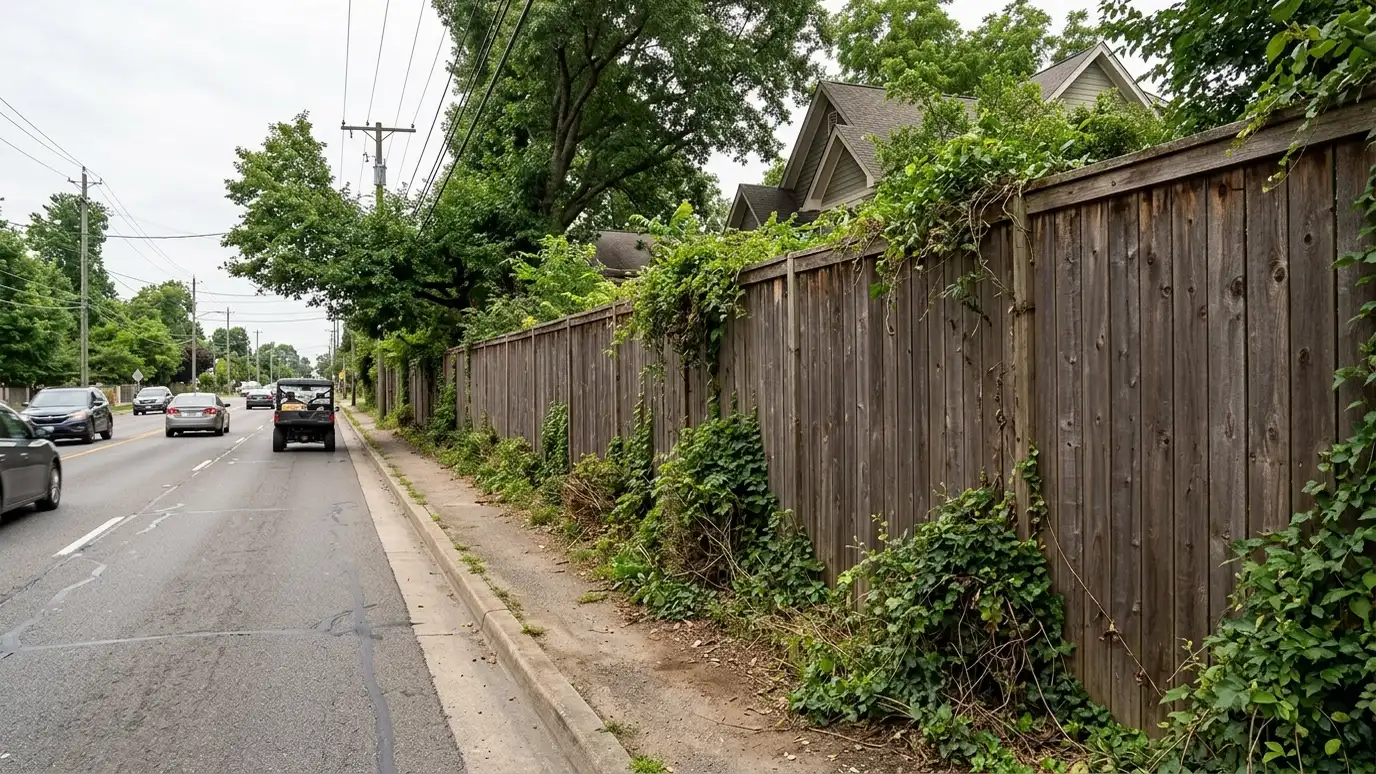
Tall, dense, tightly built fences and walls designed to reduce road and neighbor noise, with solid panels, overlapping boards and good sealing at the ground.
A fence cannot make a yard silent, but a well-built one can take the edge off road noise and neighbor sound. The key is mass and no gaps: dense boards, overlapping layers, tight bottoms and height. Owners in Nashville living near busy roads, railroad lines, parks and commercial areas ask us for fences that help quiet the yard and make time outside more pleasant.
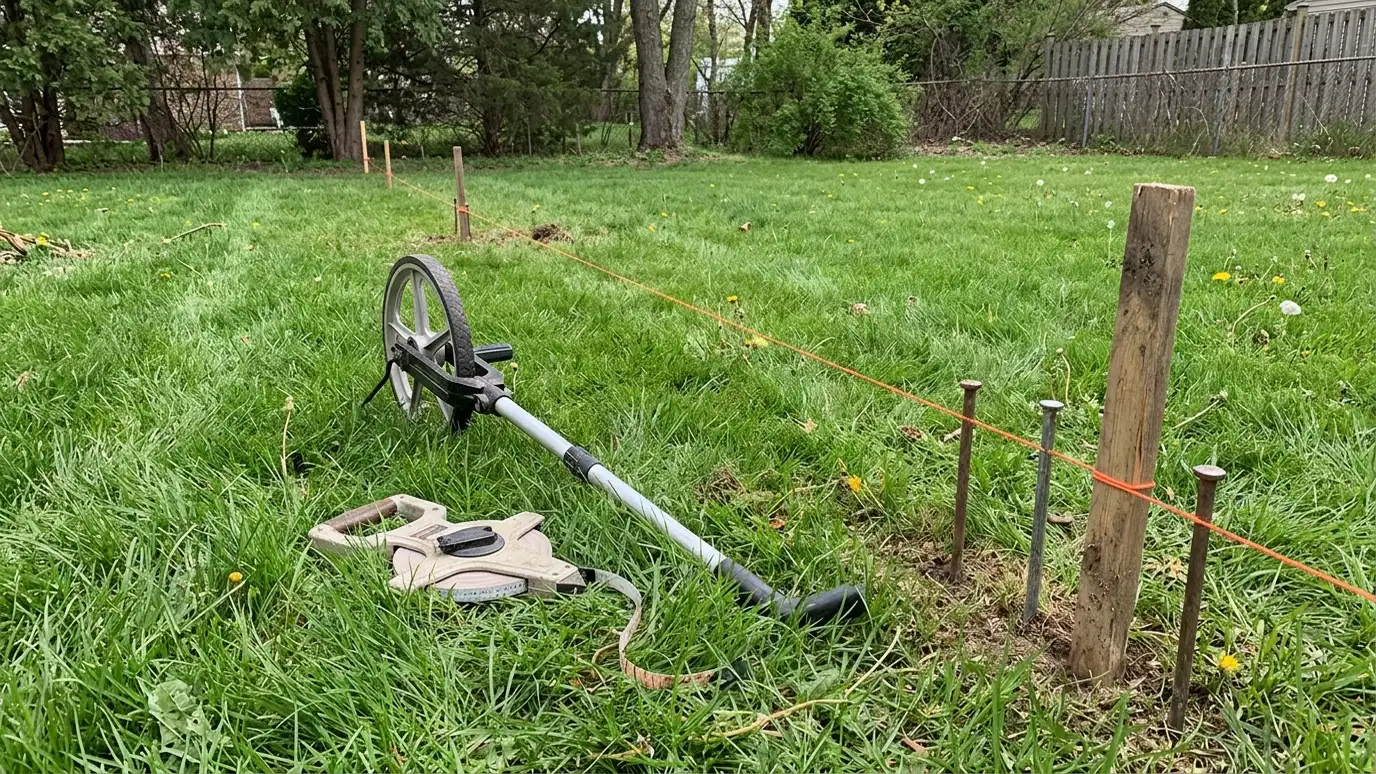
We start with a Free Estimate and listen to your noise concern. We walk the yard to see where sound comes from and how it travels, and we recommend design features: tall solid panels, board-on-board, double-layer construction, tight bottoms and heavy materials like masonry. We explain that fences help most when they block the direct path of sound and that landscaping and distance also matter, so you have honest expectations. Noise reduction is a matter of mass, height and sealing, and small gaps defeat large walls. We pay close attention to the ground edge, the gate and the joints between boards, and we are honest about what to expect. If noise is a major concern, we talk about combining a wall with plants and distance.
Heavier materials and tight, overlapping boards block more sound than thin pickets with gaps.
Sound leaks through gaps at the bottom, between boards and at gates, so we seal them with careful details.
A taller fence close to the source blocks more sound, and we plan the placement with you.
Fences reduce noise but do not eliminate it, and landscaping and distance help the effect.
Noise sources and paths noted.
Height and construction picked.
Bottom and joint details set.
Posts, rails and boards installed.
Gates and joints tightened.
Results and expectations discussed.
Every topic has its own page with what to expect and how we approach it.
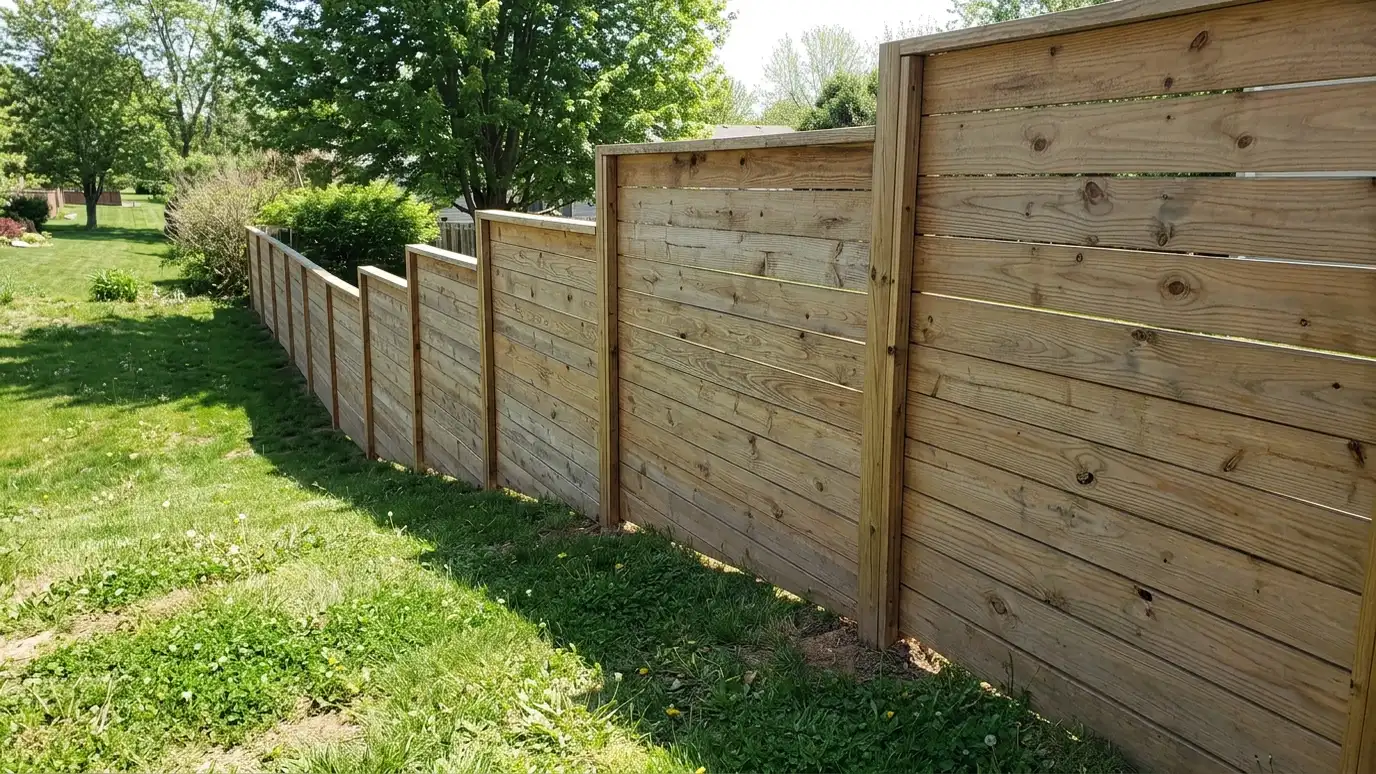 Comparison guideSloped Yards and SteppingHow racked and stepped fences handle slopes, what gaps appear at the bottom and how posts and drainage…Learn more
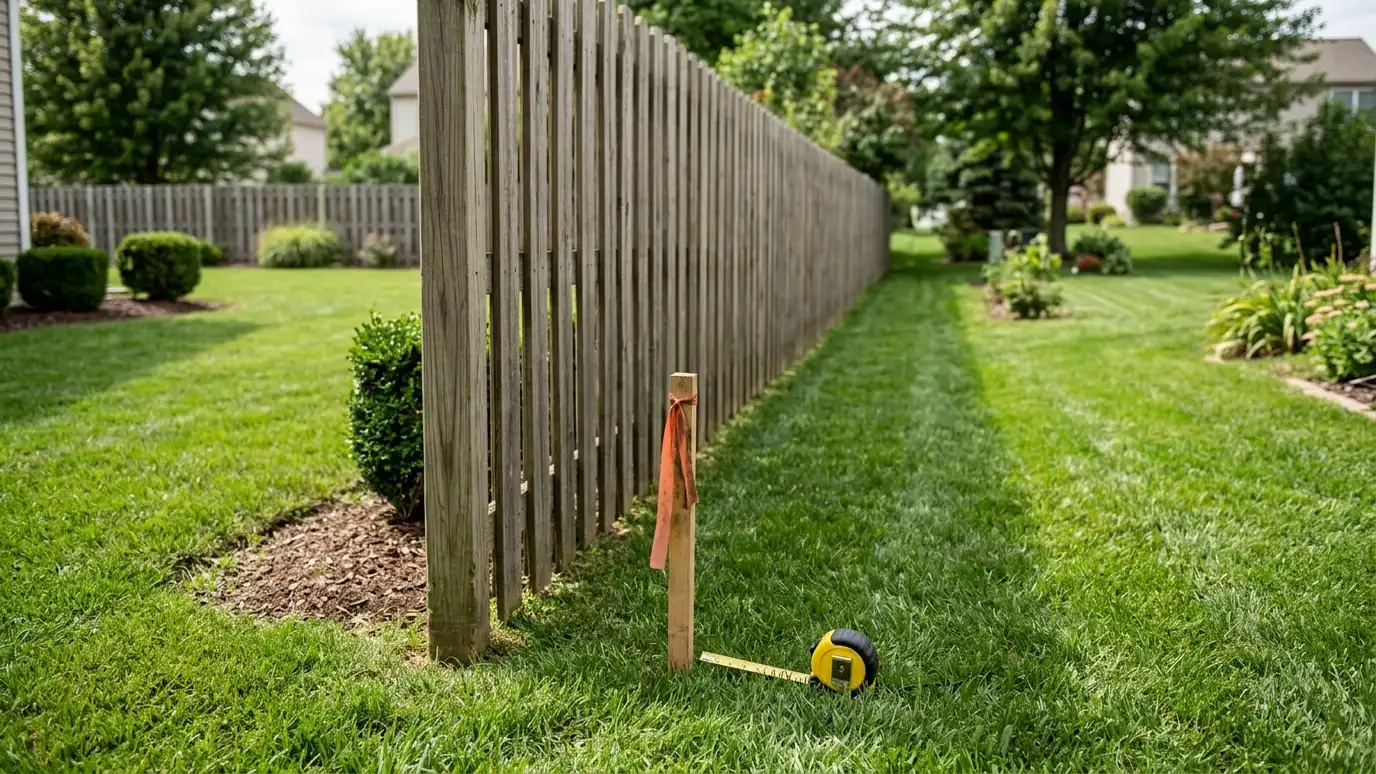 Comparison guideFences and NeighborsHow to plan a boundary fence with neighbors: talking first, sharing costs, choosing the good side and handling…Learn more
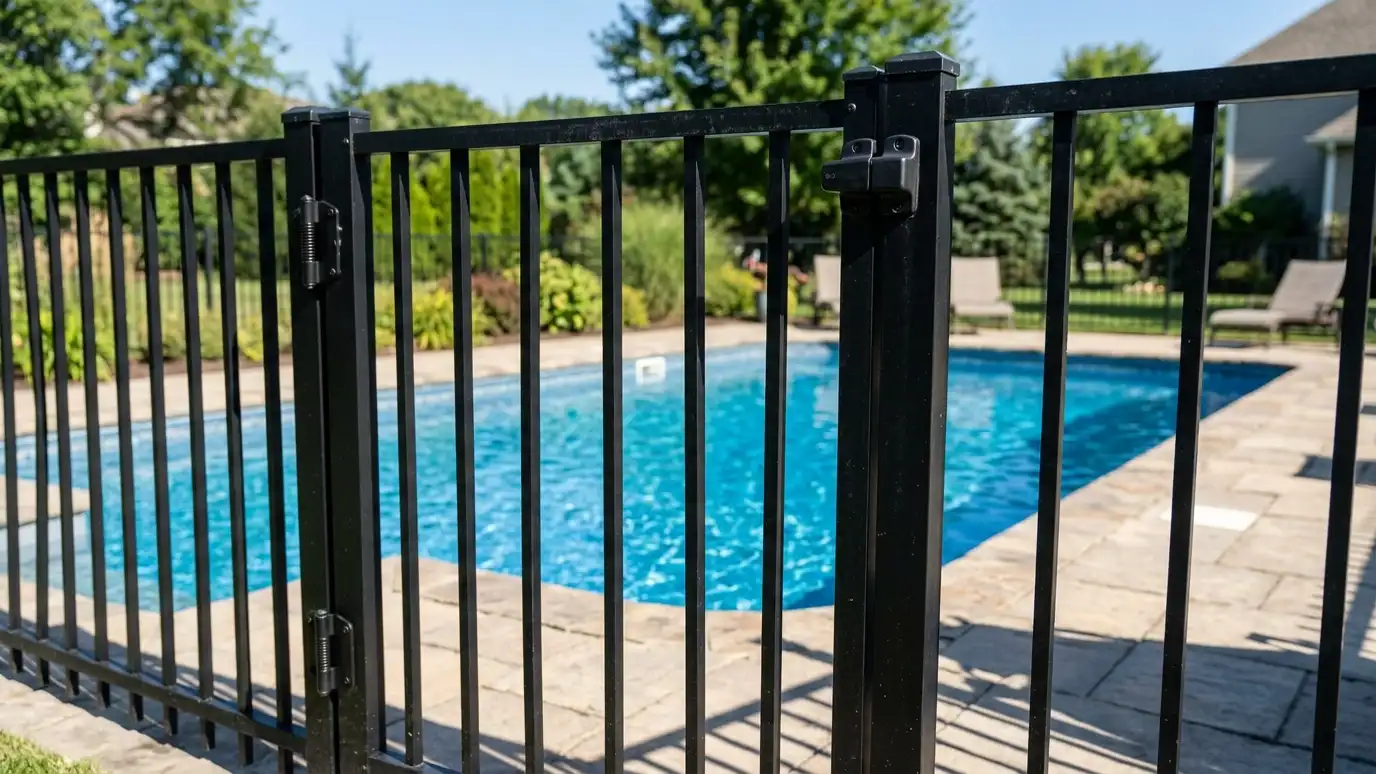 Comparison guidePool Fence BarriersHow pool fences, gates and layers of protection work together to keep children and pets safe around the…Learn more
Answer five questions about your property, goals and timing to see which fence services to start with.
You tell us what you want the fence to do, and we set a visit that fits your day.
We walk the line, measure runs and gates, note slope, trees and utilities and talk through your goals.
You receive a plain written scope with style, height, materials, gates and price before anything begins.
We stake the line, request utility marking where needed and set posts plumb and aligned.
We frame the fence, install pickets or panels and hang gates with strong hinges and latches.
We clean up, walk the fence with you, show how gates work and explain care.
It can reduce it, especially a tall, dense fence with no gaps. It will not eliminate it.
Masonry and dense, double-layer wood fences are the most effective in most cases.
Yes. A taller fence blocks more of the direct sound path.
Dense evergreens add some benefit and make the barrier feel softer.
Often yes, with added layers, height or sealing.
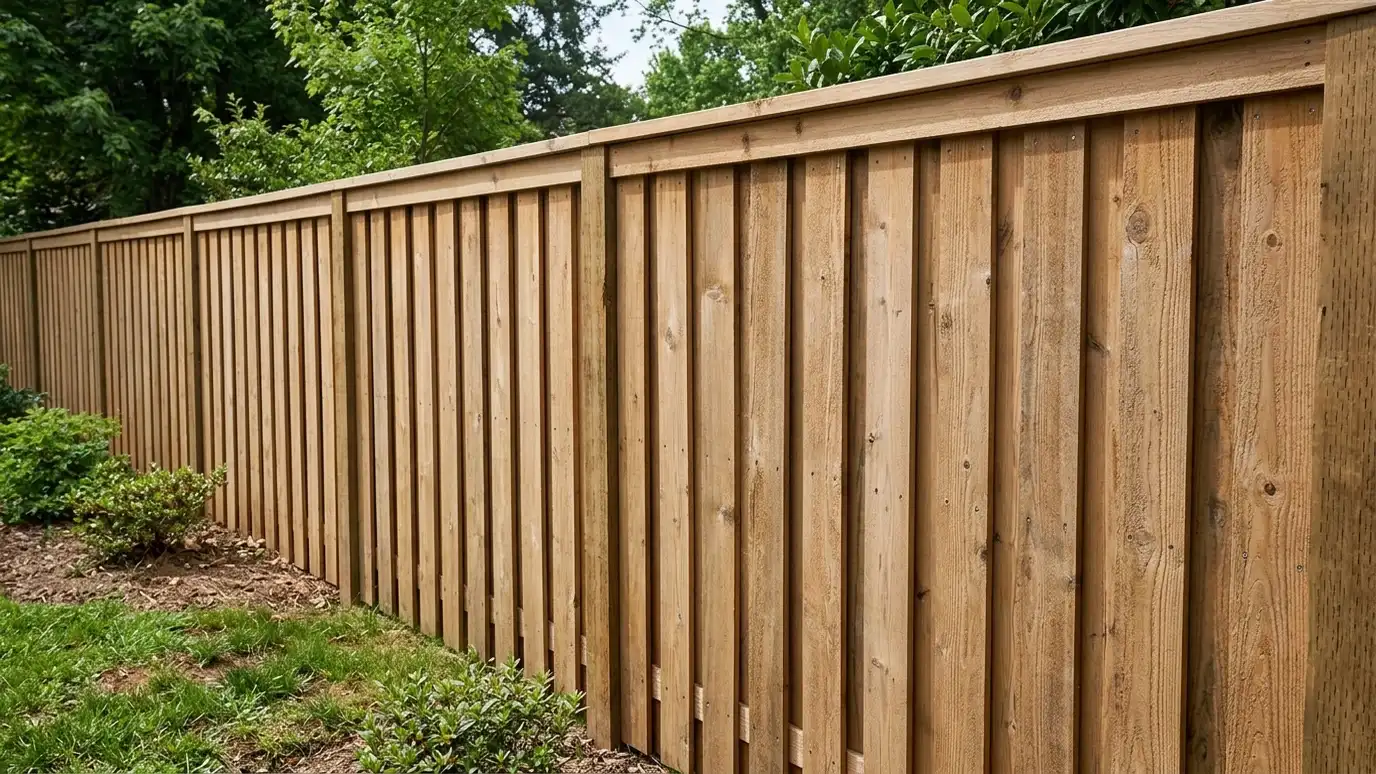 Board-on-Board FencesBoard-on-board fences with overlapping pickets that stay private from every angle and look full and finished as the…Explore
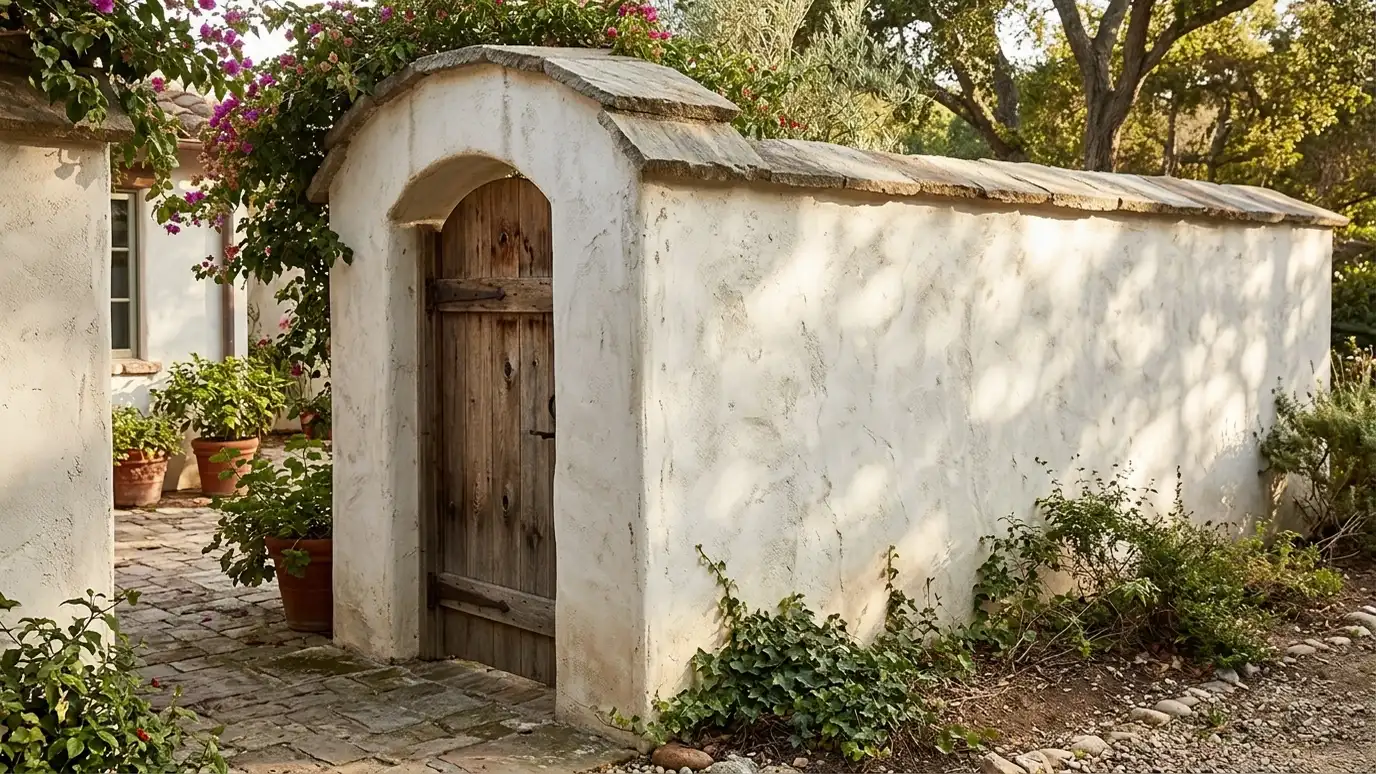 Masonry and Block Privacy WallsMasonry and block privacy walls in stucco, brick and stone finishes that give lasting privacy, sound reduction and…Explore
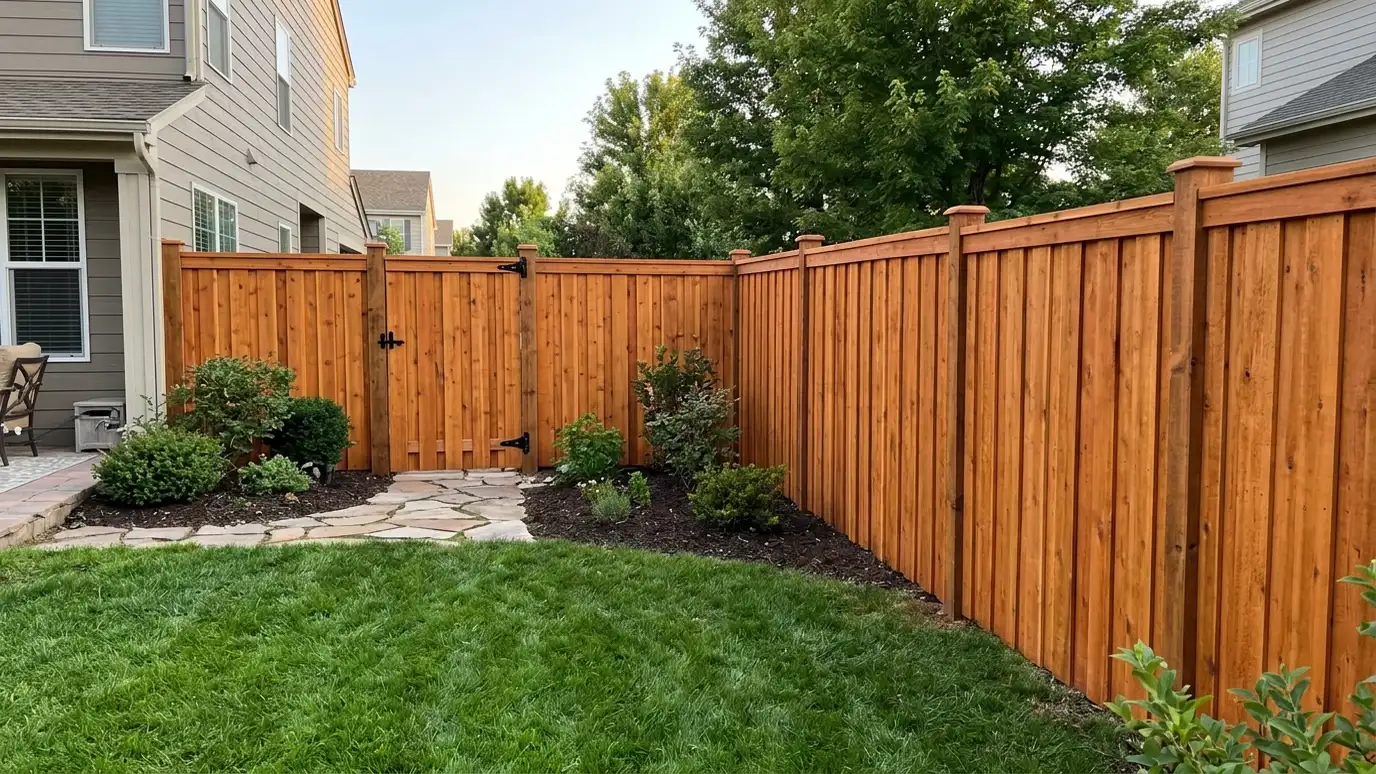 Wood Privacy FencesTall, solid wood privacy fences built with set posts, rails, pickets and matching gates for backyards that need…Explore
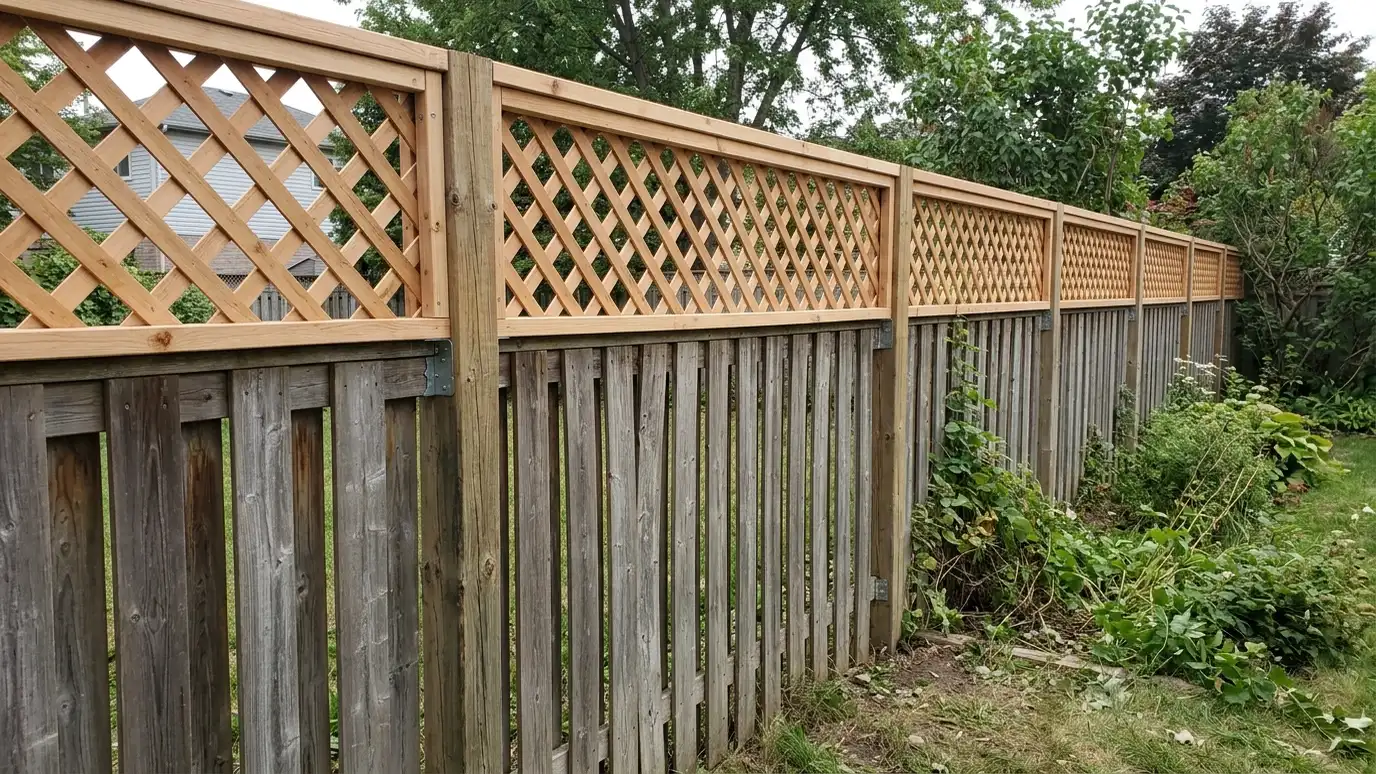 Fence Extensions and Height AdditionsExtensions that add height, lattice or privacy to existing fences, plus lengthening runs and closing gaps, built on…Explore
Tell us about your property and we will call you back to set up a visit.
Or call (615) 357-7797 to talk now.