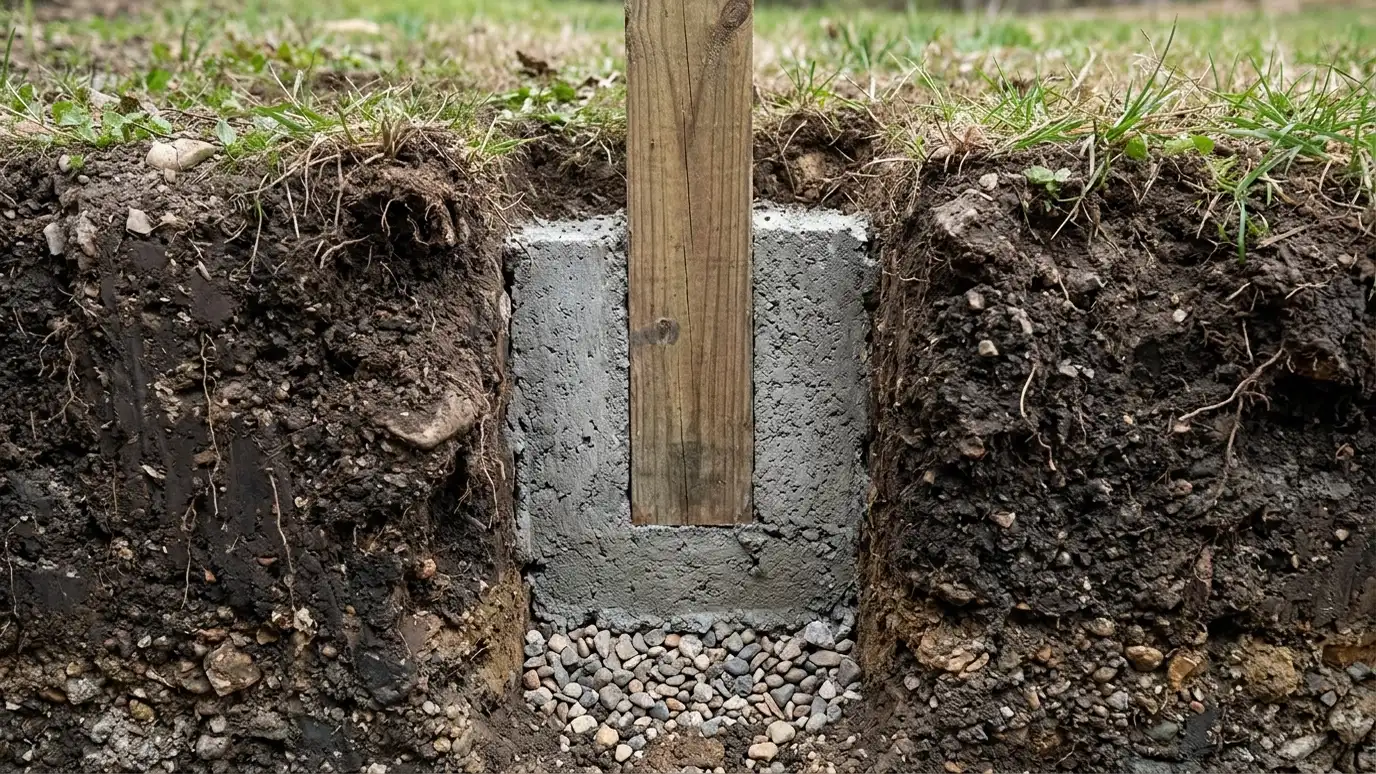
Why post depth, hole width, concrete, gravel and bracing decide how long a fence stands straight.
Posts are the foundation of a fence, and most fence failures begin in the ground. A common guide is to set a post about one third of its length below grade and below the frost line, with a hole wide enough for a collar of concrete or compacted gravel around it. Corners, ends and gates take more load and need larger posts and deeper holes.
Soil, drainage and slope change the plan. Clay holds water and heaves, sandy soil drains but gives less grip and slopes push posts downhill. Concrete holds posts firmly, and gravel can help water drain away from wood posts. Owners in Nashville benefit from a plan that fits their soil and fence type. We explain our choices at every estimate so you know what is going into the ground.
About a third of the post below grade, and below frost.
Wide enough for a solid collar of concrete or gravel.
Concrete holds firmly and gravel helps drainage.
Heavier posts and deeper holes for loads.
Water at the post base shortens life.
Posts set straight make a fence look and last better.
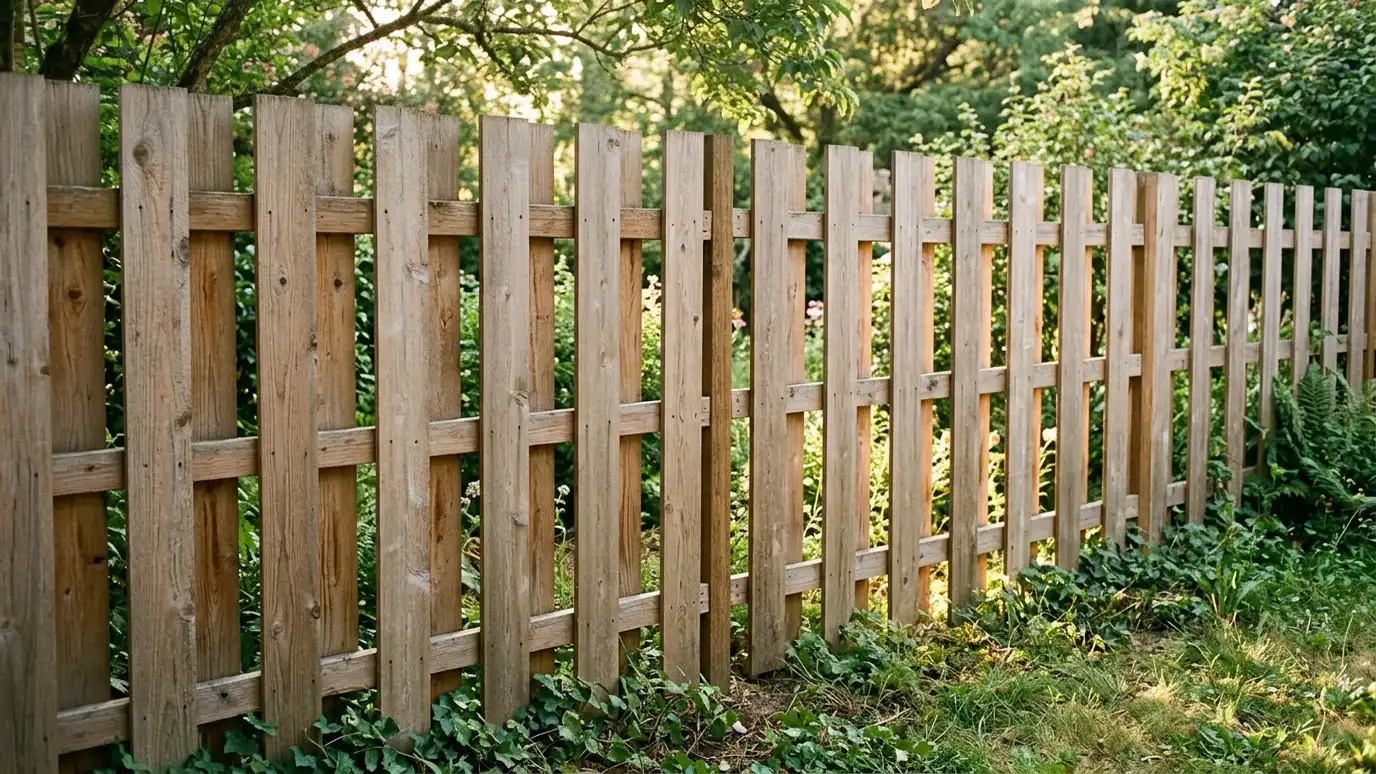 Shadowbox FencesShadowbox fences with alternating pickets on each side that give privacy, airflow and a handsome, finished look from…Explore
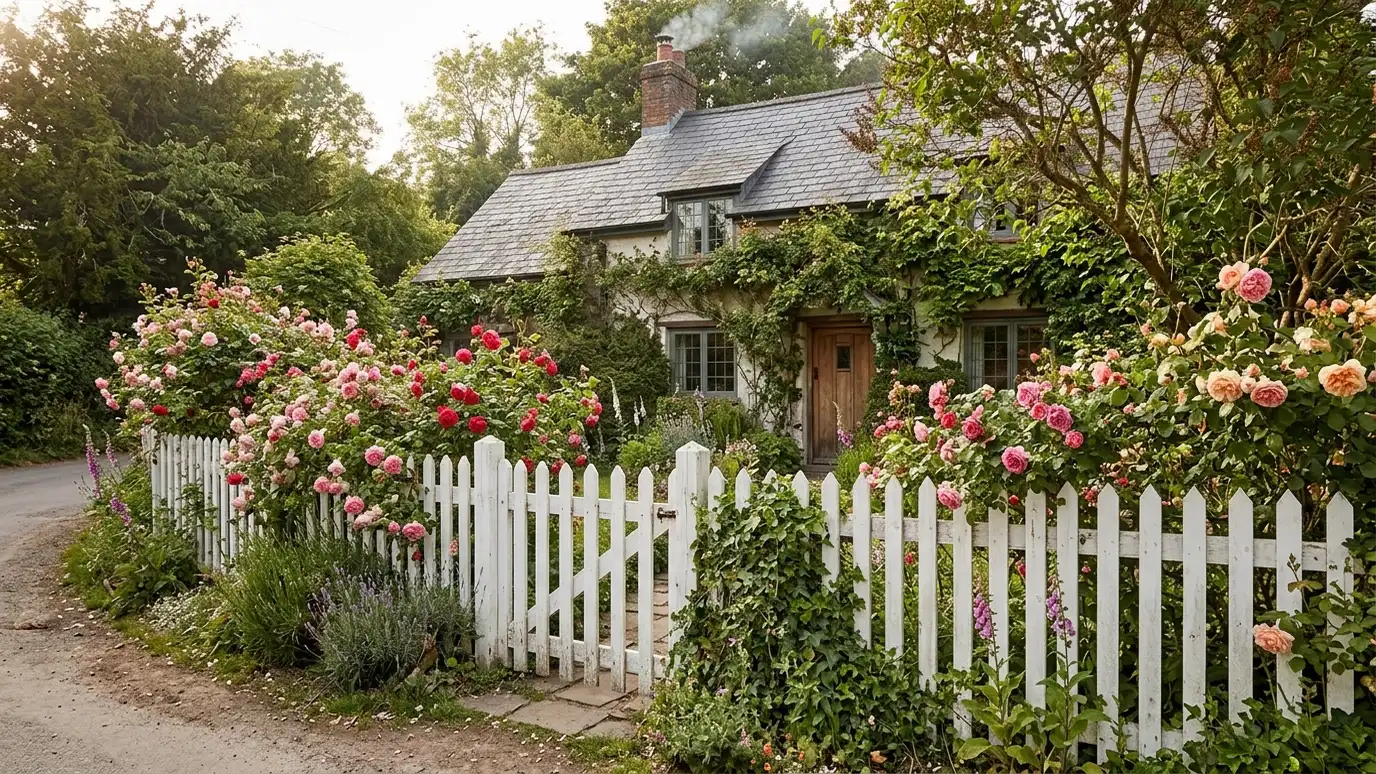 Wood Picket FencesClassic wood picket fences with pointed or dog-ear tops for front yards, gardens and cottages that want charm…Explore
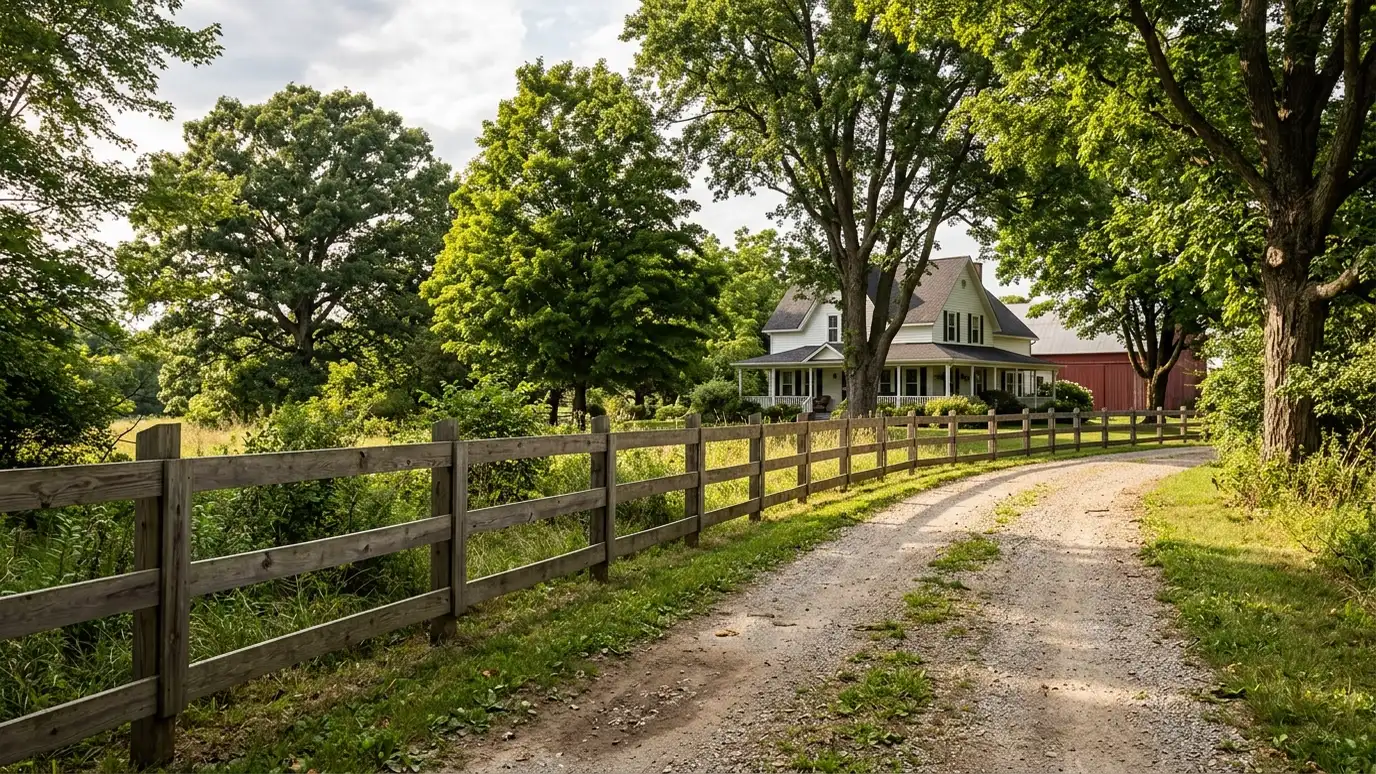 Ranch and Post and Rail FencesRanch-style post and rail fences with two, three or four horizontal rails for horse farms, large lots, driveways…Explore
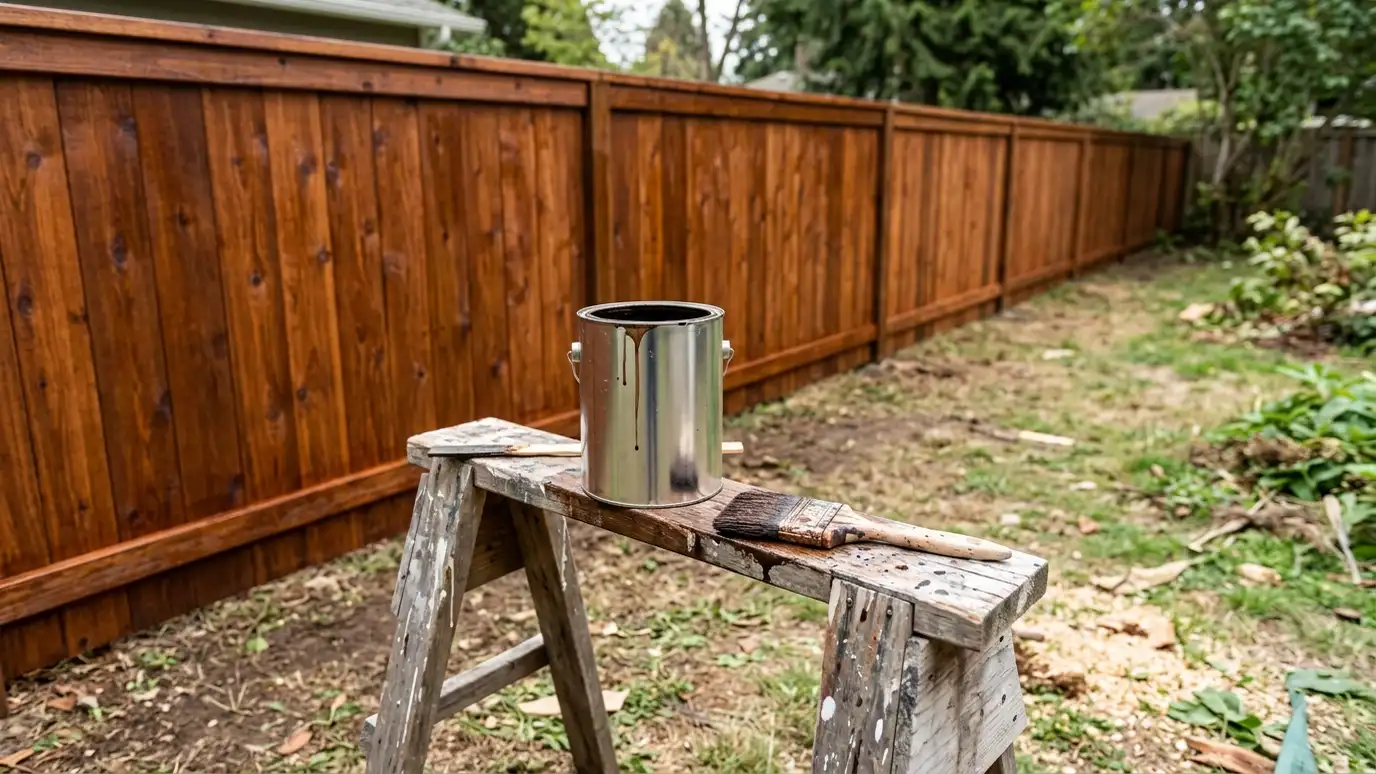 Stained and Sealed Wood FencesNew wood fences installed with the right stain or sealer from day one, protecting boards against sun and…Explore
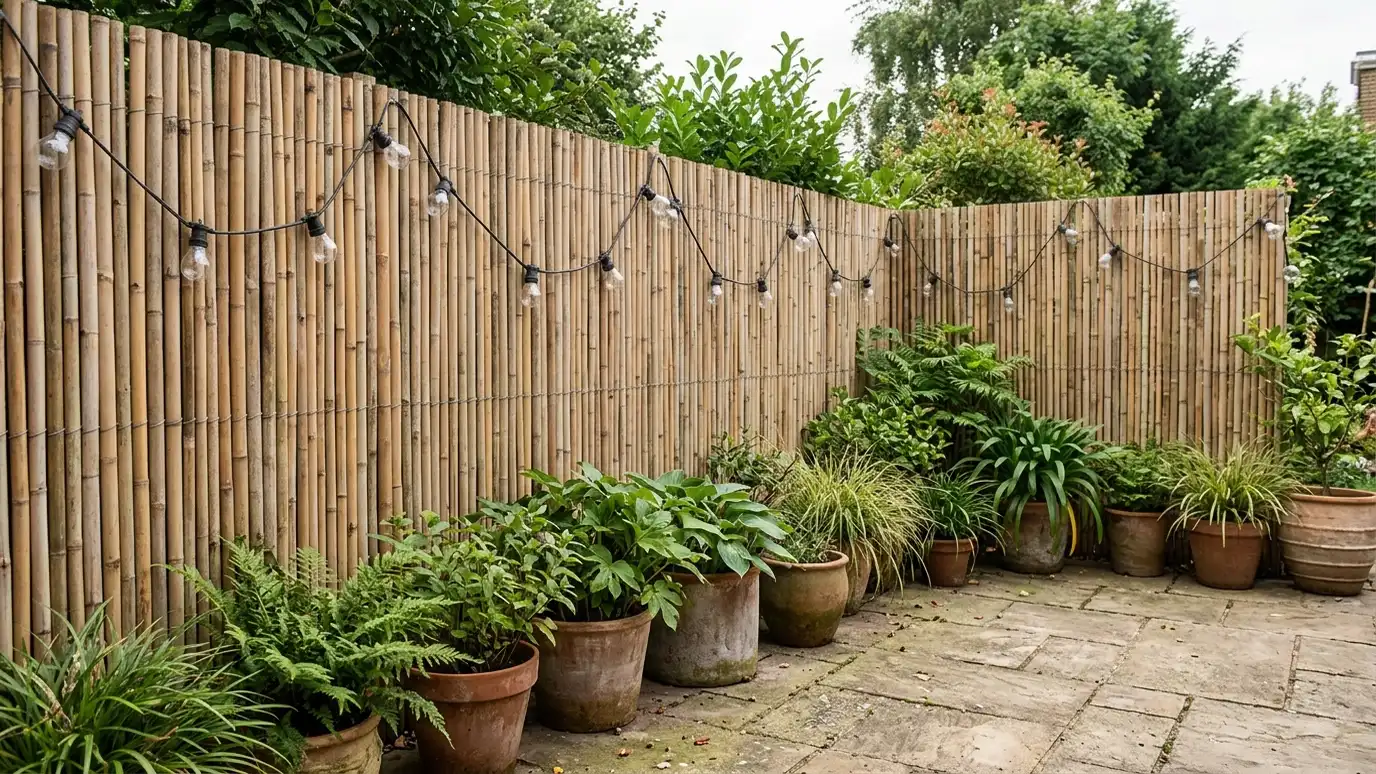 Bamboo and Natural Screen FencesBamboo, reed and natural screen fencing that adds soft texture and privacy to patios, pools, gardens and balconies…Explore
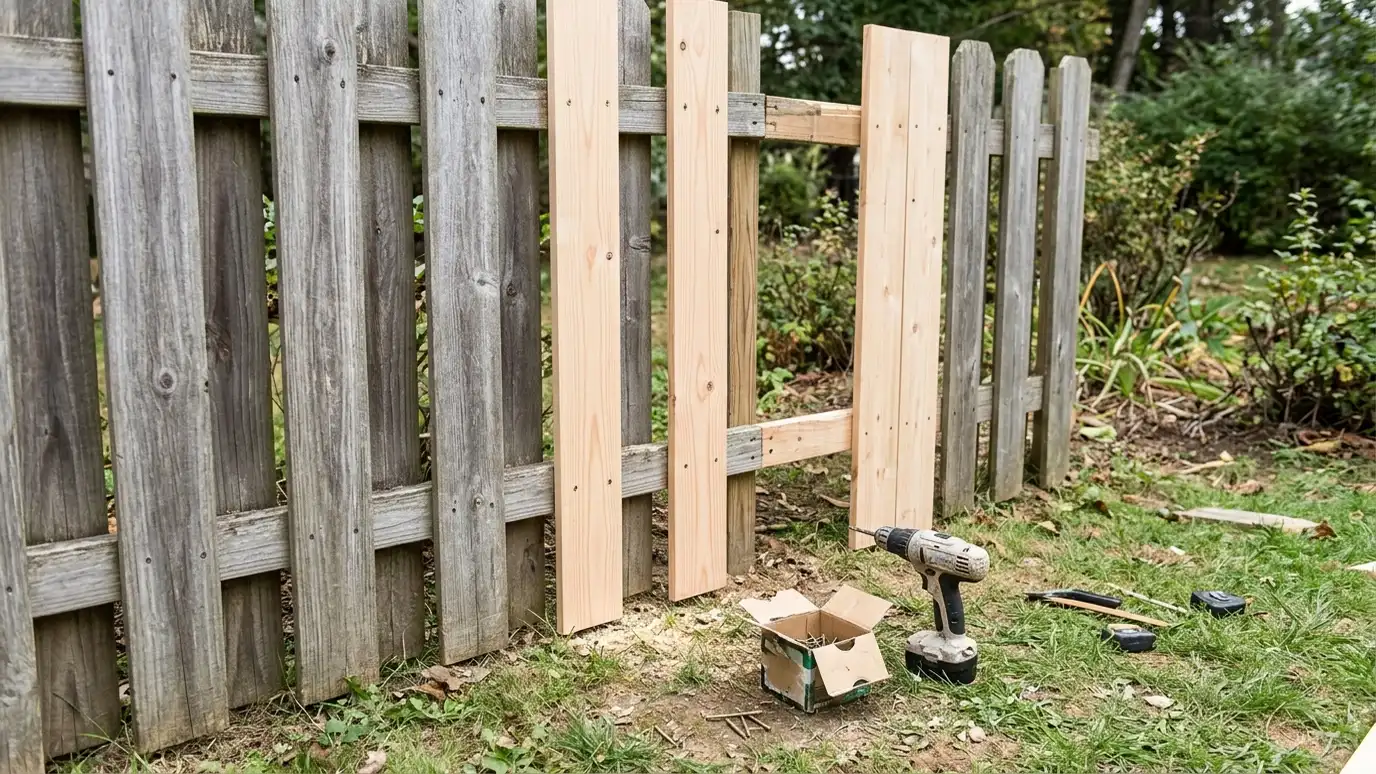 Fence RepairRepairs for wood, vinyl, metal and chain link fences, from loose boards and broken rails to damaged panels…Explore
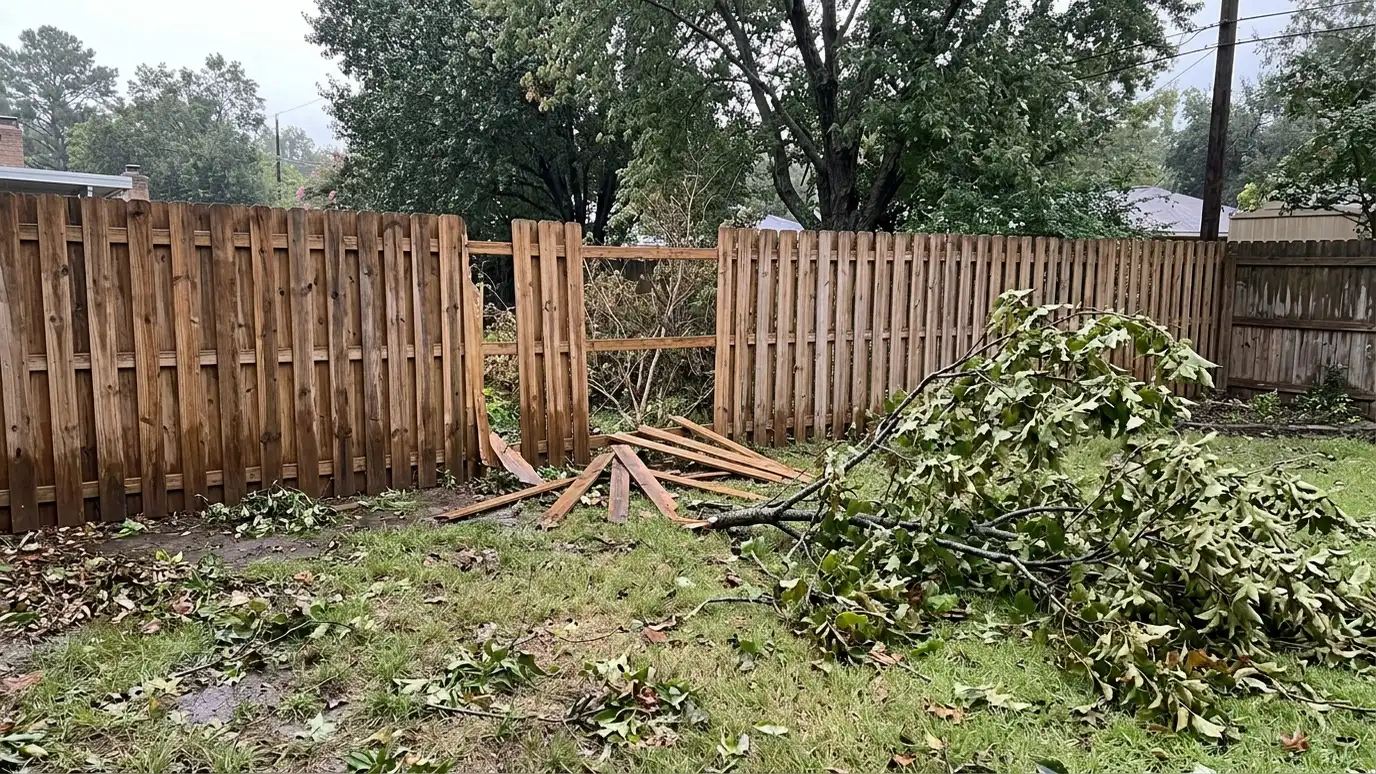 Storm-Damaged Fence RepairRepairs for fences damaged by wind, falling limbs, flooding and storms, with fast assessments, safe cleanup, temporary closures…Explore
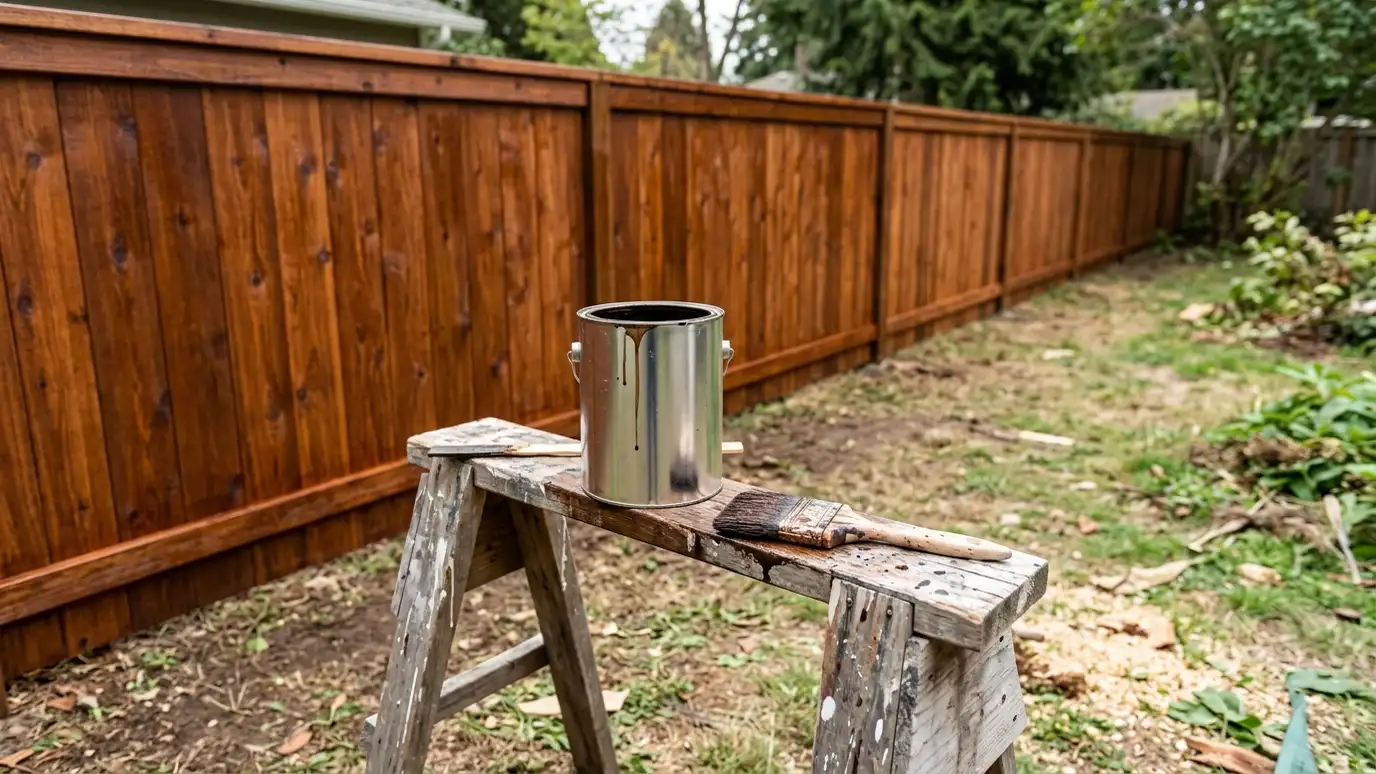 Fence Staining and SealingStaining and sealing for new and existing wood fences with preparation, even coverage and finishes chosen for sun…Explore
Size a fence line, check a lifespan or ballpark a budget.
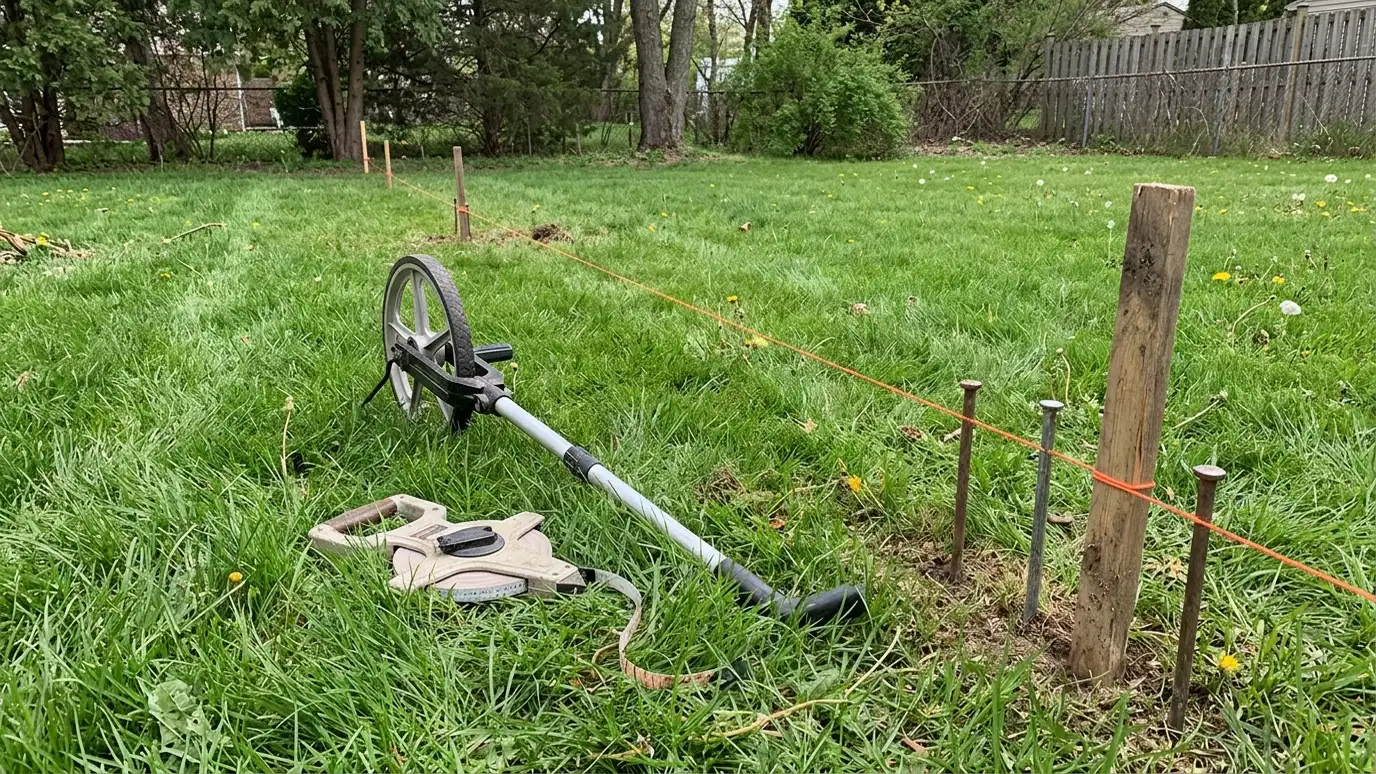 Fence Length and Materials CalculatorEnter your measurements to see linear feet, posts, rails, pickets, concrete and time to plan for yards, runs, pastures and gates.Try it
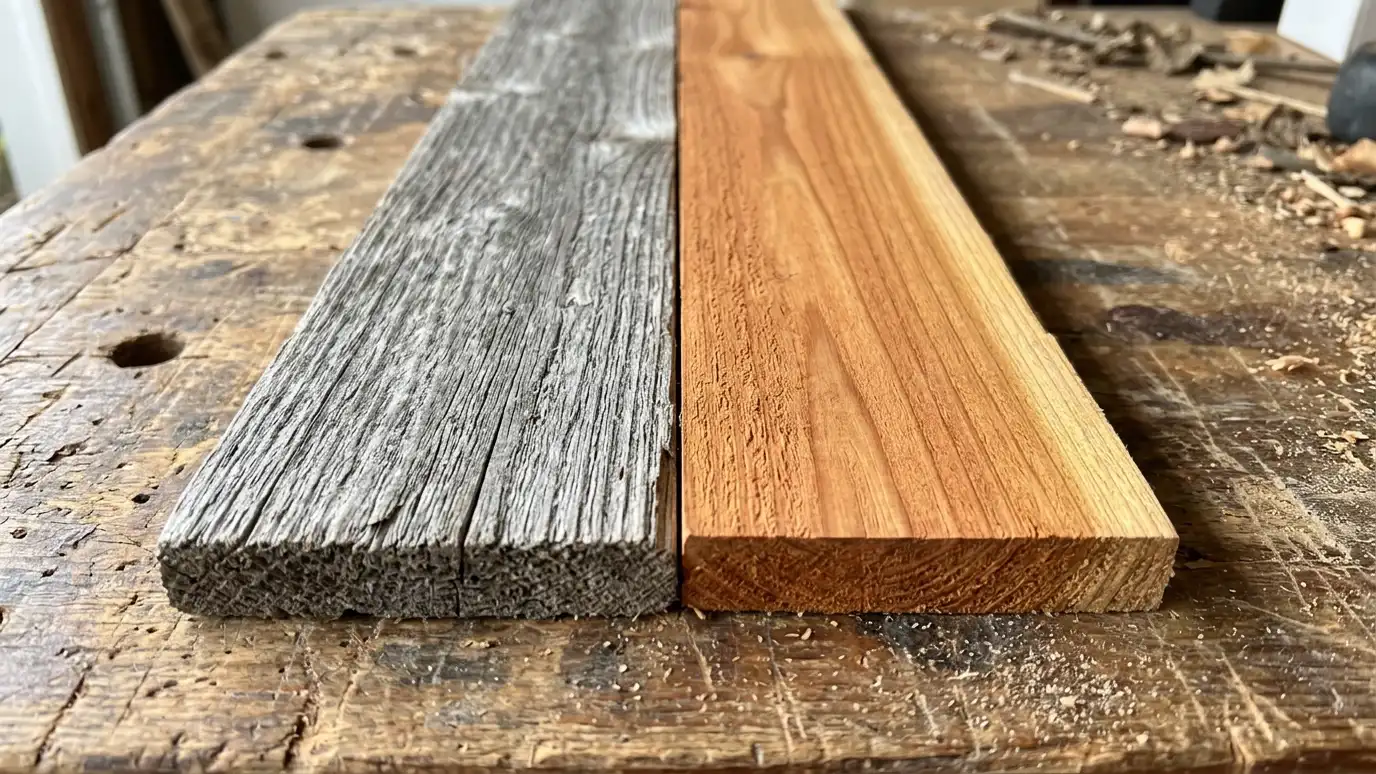 How Long Will My Fence Last? CheckerPick a fence type, its age and the signs you see to learn where it is in its life and what to do next.Try it
 Fence Budget PlannerPick a fence, gate, repair or finishing job, set the length and add extras to see a ballpark planning range. Placeholder values only.Try it
A common guide is about one third of the post length in the ground and below the frost line. Soil and use can change that.
Not always. Gravel can help drainage, and the choice depends on soil and fence type.
Gates swing and pull on posts every day, so posts are larger and set deeper.
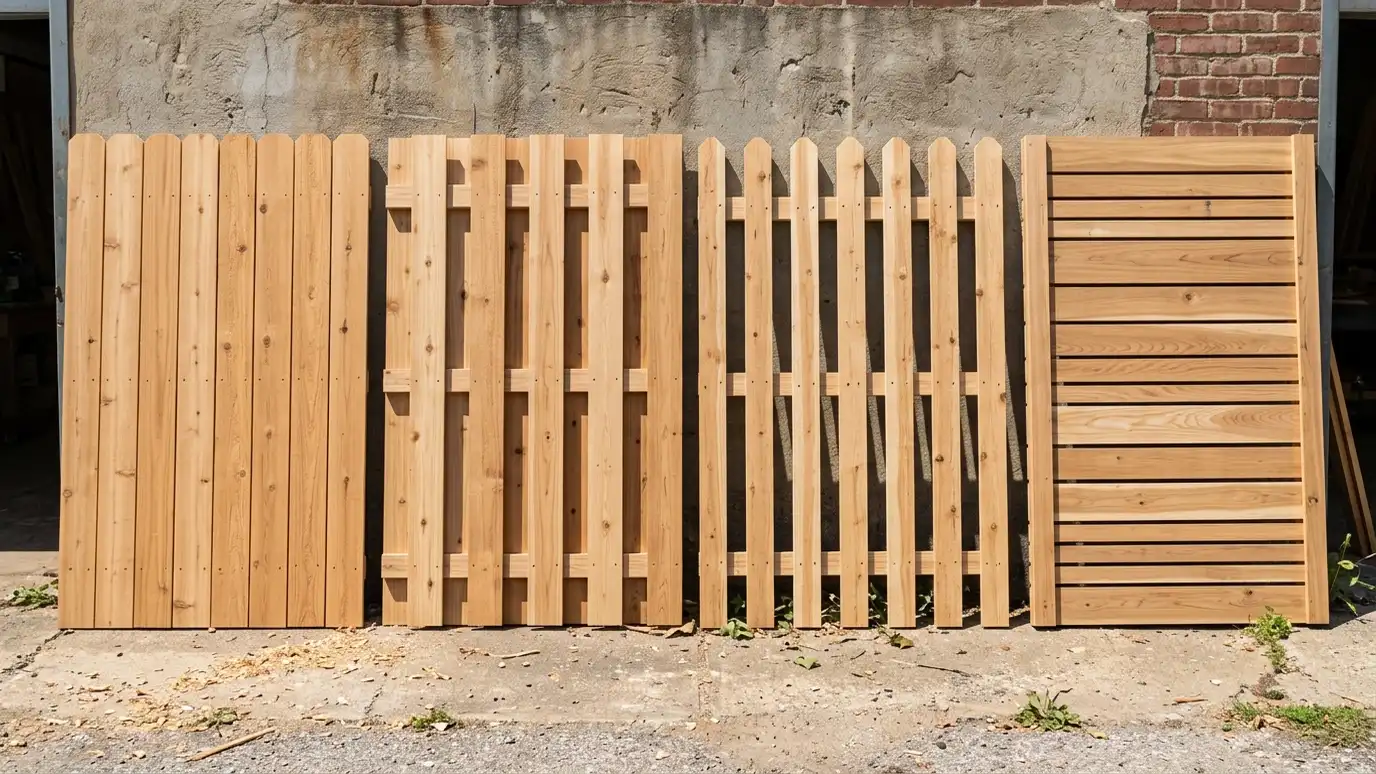 Comparison guideWood Fence TypesHow solid privacy, board-on-board, shadowbox, picket, split rail and horizontal slat wood fences differ in look, privacy, wind…Learn more
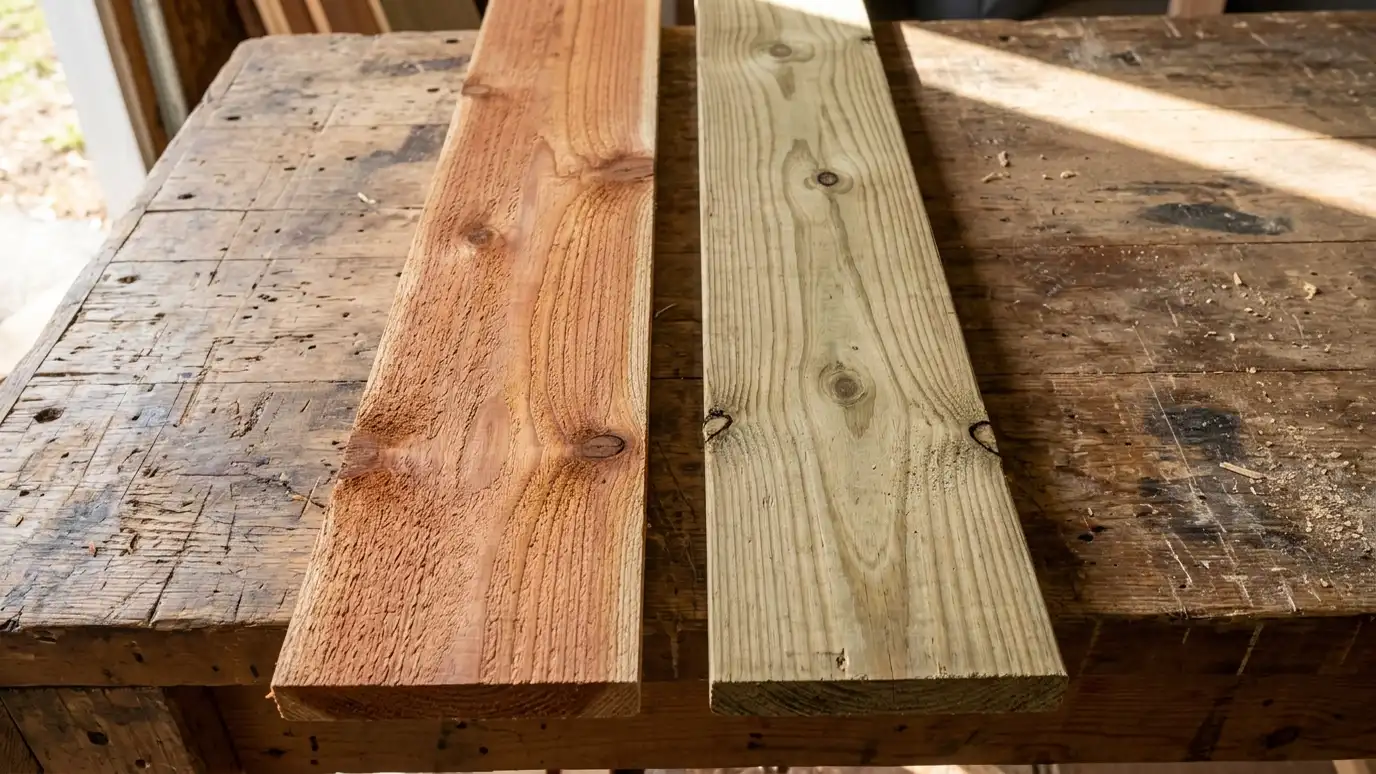 Comparison guideCedar vs Treated PineHow cedar and pressure-treated pine fences differ in look, stability, rot resistance, finishing, cost and care.Learn more
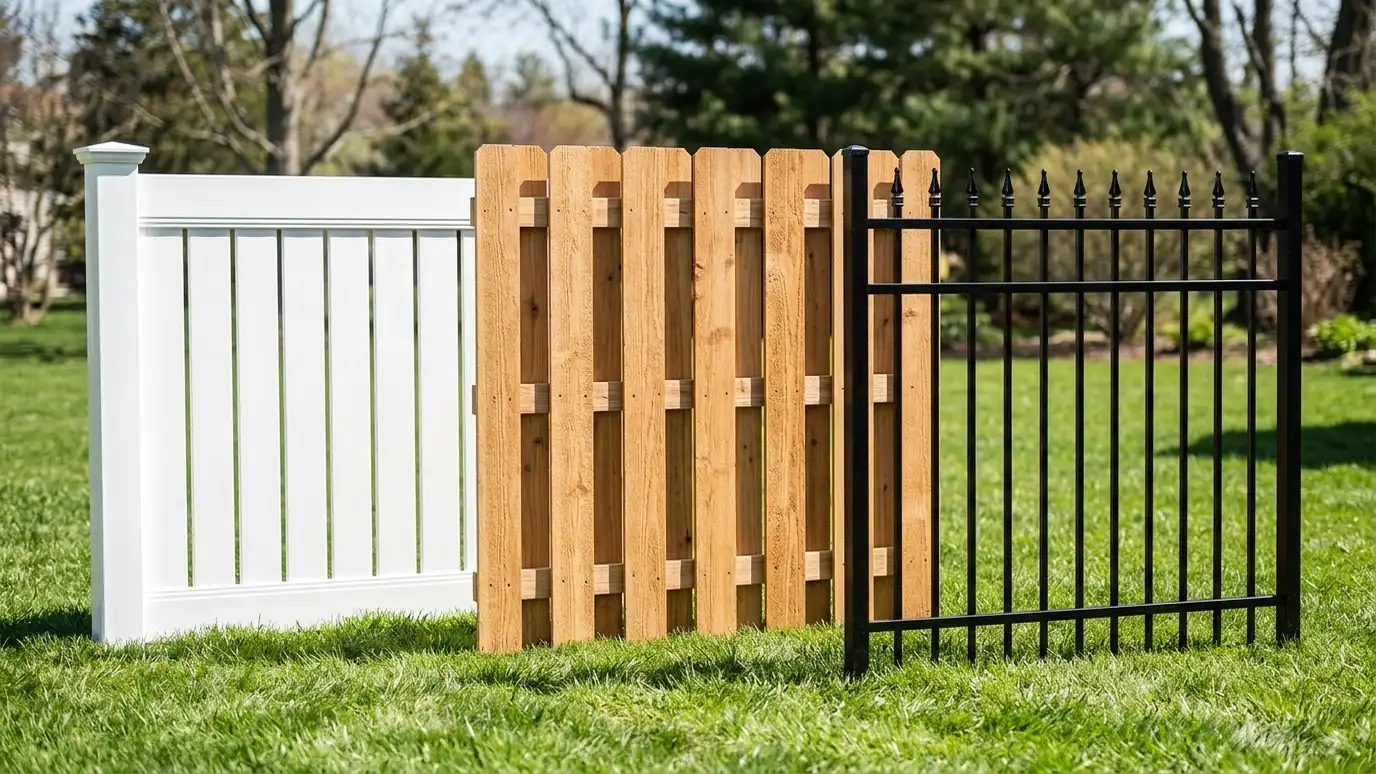 Comparison guideVinyl vs Wood vs AluminumHow vinyl, wood and aluminum fences compare in privacy, upkeep, strength, look and long-term value.Learn more
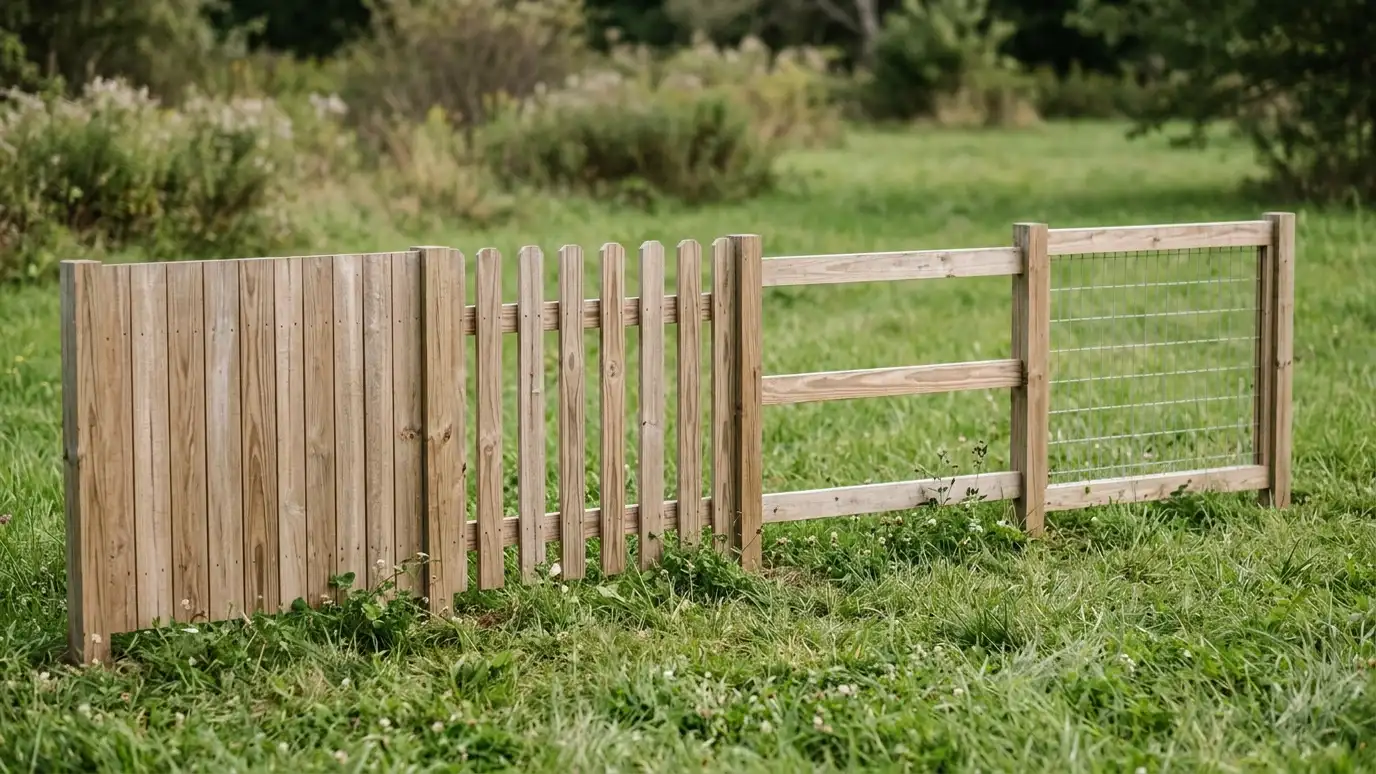 Comparison guideStyles and Privacy LevelsHow solid, semi-private, open and rail fences compare for privacy, airflow, light and containment.Learn more
Call us and describe your property. We will walk the line, talk through options and give you a clear written estimate.